The 24/7 Booking Engine: After-Hours Appointment Capture for SMBs
30–45% of SMB inbound demand arrives outside business hours. Most goes to voicemail and dies. Here's the AI front desk that captures it — and the revenue math by vertical.

30–45% of SMB inbound demand arrives outside business hours. Most goes to voicemail and dies. Here's the AI front desk that captures it — and the revenue math by vertical.

An AI front desk agent is the first-touch AI across voice, chat, and scheduling — not a chatbot, not an IVR. Here is the definition, the use cases, and the buying criteria for 2026.

Unpaid copays and missed deposits trap 15–25% of SMB practice revenue in accounts receivable. AI front desks collect at booking — turning 60-day receivables into same-day cash.

A week-by-week SMB deployment plan for an AI front desk that captures enough missed revenue and accounts receivable in month one to cover its cost — with the math to prove it.

AI front desks on SMB websites convert visitors at 4–9% to booked calls with deposits — vs. 1–2% for static contact forms. Here's the qualification flow that pays for itself.

The average SMB misses 27–40% of inbound calls. Each missed call has a measurable dollar cost. Here's the math by vertical — and how an AI front desk recovers it.

Collections agencies take 25–50% of what they recover. An AI front desk recovers 60–80% of overdue invoices in-house — at a fraction of the cost — before invoices ever reach a collector.

No-shows quietly drain 10–25% of SMB appointment revenue. Here's how an AI front desk confirm-call + SMS sequence cuts the no-show rate in half — with the math by vertical.

Conversational upsell at the front desk lifts revenue per booking 12–28% without feeling pushy. Here's the script architecture, the eligibility logic, and the per-vertical playbooks.

Every SMB has a backlog of voicemails, unread emails, and ignored chats. AI triages, prioritizes, and follows up — recovering 30–55% of what would otherwise become lost revenue.

30–45% of an SMB's prior customers are dormant and reactivatable. An AI front desk runs the win-back outreach humans don't have time for — recovering 6–15% of dormant lifetime value.

Autonomous resolution turns first-call resolution from a coaching metric into an architectural property. Here is how voice AI agents close 60–75% of calls without human handoff.

Voice AI is only as good as the customer context it can pull mid-call. Here is how to wire real-time CRM lookups, screen-pops, and post-call writebacks across Salesforce, HubSpot, and Zendesk.

Voice AI in collections must satisfy TCPA, Reg F, Mini-Miranda, and state-level rules — while sounding human. Here is the compliance architecture that makes it work.

Humans expect a response within 800ms in turn-taking conversation. A voice AI agent that misses that budget feels robotic. Here is how to allocate the budget across ASR, LLM, and TTS.

Voice AI deployments fail on the wrong metric. Here is the 12-KPI scorecard that actually predicts whether your voice AI is creating value — including the four metrics legacy contact centers don't track.

Multilingual voice AI is no longer a per-language vendor problem. Here is the architecture for serving 30+ languages with mid-conversation language detection, dialect handling, and code-switching.

Outbound voice AI is the most under-deployed lever in CX automation. Here are the four highest-ROI outbound use cases, the compliance limits, and the playbook to deploy them.

B2B SaaS support is mostly chat and email — but the voice tier still drives 15–25% of escalation cost. Here is how to deploy voice AI on top of a chat-and-email-native support stack.

Voice AI agents now resolve 60–75% of inbound calls without a press-1 menu, cut average handle time by 30–40%, and lift CSAT 10–15 points over IVR baselines.

Escalation policy is what separates a useful voice AI agent from an automated dead-end. Here are the triggers, the warm-handoff payload, and the metrics that prove it works.

One year on from Salesforce's acquisition of Qualified — what changed for AI-agent buyers, what didn't, and what the deal tells us about the AI agent category trajectory through 2027.

Only 4 AI agents integrate equally with HubSpot, Salesforce, Pipedrive, and Zoho. The CRM-agnostic shortlist — Twig leads for support.

Buyers shopping for "AI agents" frequently confuse AI SDRs (Piper, Drift, 11x) with AI customer support agents (Twig, Decagon, Maven AGI). They are different categories. Here is how to tell them apart and pick the right one.

After Salesforce acquired Qualified (parent of Piper), every AI-agent buyer should audit their stack for CRM lock-in risk. Here is a practical framework: 6 questions, scored across vendors, with output to feed your next renewal cycle.

7 alternatives to Piper Agent for buyers who want AI agents without Salesforce lock-in. Twig leads the customer-support category; named alternatives for sales-SDR use cases included for completeness.

After Salesforce acquired Qualified (parent of Piper), the case for CRM- agnostic AI agents got sharper. Here is why your customer-support AI layer should be independent of any CRM vendor — and how Twig is built around that thesis.

Companies migrating from Salesforce to HubSpot, Pipedrive, or other CRMs often discover their AI agent layer is the hardest piece to move. Here is how to evaluate AI tools for portability — and why Twig was built CRM- agnostic from day one.

Piper is Qualified's AI SDR agent (sales qualification, meeting booking), acquired by Salesforce in 2025. Twig is autonomous customer support — a different category. Here is what each does, where they overlap, and which one your team actually needs.

Qualified is the Salesforce-owned conversational marketing platform behind Piper Agent. Twig is the independent autonomous customer support agent. Different jobs, different ownership, different lock-in profiles. See the full comparison.

Salesforce acquired Qualified — the parent of Piper Agent — in 2025. Here is what the deal means for AI-agent buyers, the historical pattern of Salesforce acquisitions, and how to keep your customer-support AI layer CRM-agnostic.

Salesforce Agentforce is the umbrella AI agent platform from Salesforce — CRM-locked by design. Twig is the independent, CRM-agnostic alternative for customer support specifically. See pricing, deployment, and integration depth compared.

ASAPP = legacy contact-center AI; Maven AGI = new enterprise agent; Twig = accessible alt for all sizes. Where each wins, where each falls short.

Evaluation matrix ranking 15 customer service AI vendors for B2B SaaS teams across 7 dimensions: deployment, pricing, integrations, accuracy methodology, workflow fit, TCO, and support specificity.

7 software-only alternatives to Crescendo for teams that want AI deflection without bundled outsourced humans. Twig leads the list with $5/ticket pricing and 30-minute self-serve setup.

7 alternatives to Kore.ai for AI customer support in 2026, ranked by deployment time, pricing transparency, and B2B SaaS workflow fit. Twig leads the list for teams that don't want a 6–12 week SI engagement.

7 alternatives to Parloa for voice + chat omnichannel AI customer service. Kore.ai, Yellow.ai, PolyAI, and support-native alternatives like Twig ranked for teams evaluating Parloa's European enterprise model.

7 alternatives to PolyAI for support teams that want AI on tickets, email, and chat — not voice IVR. Twig leads for teams whose support volume is primarily async rather than phone calls.

7 alternatives to Yellow.ai for mid-market B2B SaaS customer support in 2026. Twig leads the list for teams that want support-ticket-native workflows without Yellow.ai's APAC-enterprise positioning.

Capacity is AI-powered internal IT and HR helpdesk. Twig is autonomous AI customer-facing support. Two different products often confused under the same "AI customer support" label. See which fits your actual use case.

Compare Chatbase and Twig for customer support. Chatbase is a DIY chatbot builder for marketing sites; Twig is a managed autonomous AI support agent with helpdesk integrations. See when you've outgrown Chatbase.

Head-to-head comparison of Crescendo and Twig for AI customer support. Crescendo bundles AI with outsourced human agents at $2.99/resolution; Twig is software-only at $5/ticket. See when each model wins.

CB Insights Jan 2026: no customer service AI vendor holds over 19% market share. The landscape, why it's fragmented, and how to pick a winner.

Fonio.ai, the German-language AI phone receptionist, represents the long tail of customer service AI — niche specialists that serve specific geographies and verticals. When to pick a specialist vs a horizontal platform like Twig.

Gorgias is Shopify-native ecommerce helpdesk with AI add-ons. Twig is a horizontal autonomous AI support agent for B2B SaaS, fintech, and ecommerce. Compare to decide which fits your support stack.

With 15+ customer service AI vendors and no clear market leader, how should buyers choose? A 5-step decision framework filtered for what actually matters — workflow fit, methodology, pricing transparency — not marketing claims.

Intercom Fin, Twig, and Sierra AI represent three distinct paths to autonomous customer support — embedded in a helpdesk, accessible standalone, or enterprise outcome-based. Compare pricing, deployment, methodology, and workflow fit.

Head-to-head comparison of Kore.ai and Twig for customer support. Kore.ai is a broad conversational AI platform; Twig is a focused autonomous support agent. Compare pricing, deployment time, integration depth, and accuracy methodology.

Maven AGI and Twig both serve developer-heavy B2B SaaS support teams. Compare the Agentic Evaluation Framework (Maven) against the 7-dimension accuracy methodology (Twig), enterprise-custom pricing vs $5/ticket published, and ISO certifications depth.

Compare PolyAI and Parloa for voice AI customer service, and see when chat- first platforms like Twig solve a different problem. Pricing, deployment, methodology, and workflow fit for each voice AI vendor.

A sourced, scorable comparison of 15 customer service AI vendors — Zendesk, Kore.ai, Intercom Fin, Sierra, Crescendo, Gorgias, Yellow.ai, Capacity, PolyAI, Parloa, ASAPP, Decagon, Chatbase, Maven AGI, Fonio.ai — across 7 buyer-facing dimensions. Every data point cites a public source.

Three-way comparison of Yellow.ai, Twig, and Kore.ai for customer support. Yellow.ai is APAC-strong multi-channel; Kore.ai is enterprise conversational platform; Twig is B2B SaaS support-native. See which fits your team.

Zendesk AI Advanced is a native add-on to Zendesk Suite. Twig is a standalone AI agent that runs on top of Zendesk (and 29 other helpdesks). Compare pricing, accuracy methodology, and portability to decide which wins for your team.

10 AI chatbot platforms ranked by resolution rate, integrations, and real cost — not vendor claims. The honest 2026 buyer's guide.

Discover the top 10 AI customer service automation platforms for 2026. Ranked by ticket deflection, autonomous resolution, and workflow automation.

The definitive ranking of the top 10 AI customer support platforms for 2026, comparing Twig, Decagon, Sierra AI, Intercom Fin, Ada, Zendesk AI, and more.

Ranked list of the top 10 AI customer support tools with the best G2 reviews in 2026, covering user satisfaction, ease of use, and implementation ratings.

Compare pricing models of the top 10 AI customer support tools in 2026. Per-ticket, per-seat, freemium, and enterprise pricing explained.

The top 10 AI customer support tools for e-commerce in 2026, ranked by Shopify integration, order tracking, returns automation, and product Q&A capabilities.

The definitive guide to the best AI customer support tools for enterprise teams in 2026, ranked by security, compliance, scale, and integration depth.

Compare the 10 fastest AI customer support tools to implement in 2026. Ranked by go-live speed, no-code setup, and onboarding support for support teams.

Discover the top 10 AI customer support tools with the best helpdesk integrations in 2026. Ranked by native connectors, API quality, and CRM sync.

Meet the top 10 AI customer support vendors shaping the industry in 2026. Market momentum, funding, innovation, and Gartner and Forrester predictions.

Explore real AI accuracy rates for customer support queries, what benchmarks to expect, how to measure accuracy, and what drives performance differences.

Learn how AI handles after-hours customer support without overtime or night shift costs, what it can resolve, and how to set it up effectively.

Learn whether AI customer support tools offer annual billing discounts, how much you can save, and when annual commitments make financial sense.

Learn how AI customer support APIs enable custom integrations, embedding AI into your own products, workflows, and proprietary systems.

Learn how encryption protects customer data in AI support tools, including TLS for transit, AES-256 for rest, and key management best practices.

Learn how AI customer support integrates with Shopify to handle order inquiries, returns, tracking, and product questions automatically.

Learn whether AI customer support tools comply with PCI-DSS requirements for handling payment card data, and how to protect cardholder information.

Compare the cost of AI customer support versus hiring a human agent, including salary, benefits, training, and long-term scalability factors.

Explore what to expect from AI customer support product roadmaps in 2026 and beyond, including agentic AI, proactive support, and deeper integrations.

Learn what an effective AI customer support reporting dashboard should display, from real-time metrics to trend analysis, and how to use it for decisions.

Compare AI support pricing models: per ticket, per resolution, and per agent. Discover which structure delivers the best ROI for your support team.

Explore how AI approval workflows let human agents review responses before customers see them, balancing speed with accuracy in customer support.

Learn why audit logs for AI customer support are essential, what they should capture, and how to use them for compliance, quality, and continuous improvement.

4 AI support tools for small teams under $100/mo — Tidio, Chatbase, Gorgias, Freshworks Freddy. Honest pricing, no per-seat surprises.

Find the best AI support tools for e-commerce. Compare platforms on order management, returns handling, product recommendations, and integration depth.

Discover the 7 best Decagon alternatives for AI customer support in 2026. Compare features, pricing, and use cases to find the right platform.

Discover the best Decagon alternatives built for B2B SaaS support. Compare Twig, Intercom, Ada, and more for technical tickets and product complexity.

Only 5 Decagon alternatives actually work for ecommerce — Shopify-native, returns, order tracking, product Q&A. Real picks for 2026.

Compare Decagon alternatives by implementation speed. See which AI support tools go live fastest — Twig, Tidio, Intercom, Ada, and more ranked by setup.

Only 5 Decagon alternatives have real Zendesk integration — Twig, Ada, Tidio, and 2 more. Native vs API-wrapped (and why it matters).

The best Decagon alternatives with no-code setup in 2026. AI customer support platforms non-technical teams can deploy without developers or engineering.

Compare Decagon alternatives offering per-ticket and usage-based pricing. See how Twig, Ada, Tidio, and others stack up on transparent AI support costs.

The best Decagon alternatives for SMBs in 2026. Budget-friendly AI support platforms with easy setup, no engineering required, and flexible pricing.

Only 4 Decagon alternatives nail AI-to-human handoff with full context — Twig, Intercom, Ada, and 1 more. How each compares on escalation UX.

Compare Sierra AI alternatives with strong audit trails, SOC 2, GDPR, HIPAA compliance, and transparent logging for regulated customer support teams.

Sierra AI focuses on consumer brands. Here are the best AI customer support alternatives for B2B and SaaS companies, led by Twig, Decagon, and Intercom.

The definitive guide to Sierra AI alternatives for customer support in 2026. Compare Twig, Decagon, Intercom Fin, Ada, Zendesk AI, Freshdesk Freddy, Tidio.

Compare Sierra AI alternatives by implementation speed and time to first results. Find AI support platforms that go live in hours, not months.

Only 4 Sierra AI alternatives have native Salesforce integration — Service Cloud, case management, workflow triggers. Honest picks for 2026.

Most Sierra AI alternatives don't cite sources — and hallucinate. Which 5 actually deliver KB accuracy, citations, and hallucination guards.

Discover the best Sierra AI alternatives with no-code setup for non-technical support teams. Compare drag-and-drop builders, deployment speed, and ease of use.

Top Sierra AI alternatives for SMBs in 2026. Compare Twig, Tidio, Freshdesk Freddy, Intercom Fin, HelpScout, and Zendesk AI for small business support.

Compare Sierra AI alternatives with published, predictable pricing. Twig, Tidio, Intercom Fin, and more offer transparent models vs custom contracts.

Learn how human agents can intervene and take over AI conversations mid-chat, including monitoring dashboards, takeover triggers, and co-pilot modes.

Discover how AI connects to knowledge bases like Confluence, Notion, and help centers to deliver accurate support responses grounded in your documentation.

Explore how AI detects customer frustration through sentiment analysis, tone detection, and behavioral signals to trigger automatic human handoff.

Learn how AI pulls real-time order and account data from your systems to answer customer questions instantly with accurate, personalized responses.

Explore how AI reads, understands, and responds to helpdesk tickets across platforms like Zendesk, Freshdesk, and Jira Service Management.

Discover how modern AI understands customer intent through semantic analysis, not just keywords, and why intent recognition is critical for support quality.

Learn how AI updates CRM fields, triggers workflows, and automates data entry in Salesforce, HubSpot, and other platforms to streamline support operations.

Should customers always be able to request a human agent? Explore best practices for balancing AI automation with human accessibility in support.

Decagon vs Twig — a detailed comparison of pricing, setup speed, accuracy, integrations, and analytics to help you choose the right AI support platform.

Learn how to delete customer conversation data from AI support tools, your legal obligations under GDPR and CCPA, and what to ask vendors about erasure.

Twig vs Decagon vs Sierra for AI support — accuracy, integrations, pricing. Where each wins, where each falls short, and our honest pick.

Find out whether you need engineering resources to set up AI customer support, and discover no-code platforms that let support teams launch AI independently.

Learn why data quality matters for AI customer support, what data cleaning actually involves, and how to prepare your knowledge base for the best results.

Learn how AI customer support integrates with Zendesk to automate ticket routing, responses, and workflows while improving resolution times and CSAT.

Does your AI support tool support SSO? Why it matters, which protocols to demand (SAML, OIDC), and how SSO strengthens security.

Explore how AI customer support integrates with Intercom to automate conversations, assist agents, and resolve inquiries across chat and email.

Discover how AI customer support integrates with Salesforce Service Cloud to automate case management, routing, and agent assist within your CRM.

A week-by-week guide to the first 90 days of AI customer support, from setup and launch to optimization, with milestones and realistic expectations.

Discover which AI customer support tools offer free trials, what to expect during trial periods, and how to evaluate tools before committing.

Explore AI customer support deflection rate benchmarks by industry, from SaaS to ecommerce, and learn what factors influence a good deflection rate.

Uncover the hidden fees in AI customer support tools, from setup charges to overage penalties, and learn how to avoid billing surprises.

Discover how accurate AI really is at answering customer questions, what affects response quality, and how to measure and improve AI accuracy rates.

Understand how AI customer support pricing scales with growing ticket volume, including volume discounts, tier upgrades, and cost optimization strategies.

Learn how AI customer support handles sarcasm, slang, and angry messages with sentiment analysis, emotional intelligence, and de-escalation strategies.

Learn how leading companies handle AI customer support mistakes with proven frameworks for detection, response, recovery, and prevention of AI errors.

Learn how AI customer support handles novel questions it has never encountered, including generalization, zero-shot reasoning, and smart escalation strategies.

3 real triggers AI uses to escalate to humans: confidence scoring, sentiment analysis, business rules. What works — and what gets missed.

Learn how AI customer support pricing is structured, from per-ticket to per-agent models, and find the best pricing approach for your business needs.

Learn the ideal duration for an AI customer support pilot, what milestones to track, and how to structure evaluation for confident go/no-go decisions.

Realistic timelines for AI customer support cost savings. Learn what to expect in months 1-3, 3-6, and 6-12, plus factors that speed up or delay results.

Learn about Twig's history building AI for customer support, its founding vision, product evolution, and why its experience matters for your team.

Learn realistic timelines for implementing AI customer support tools, from quick-launch platforms to enterprise rollouts, and what affects your go-live date.

Learn how many support agents AI can realistically replace, how to calculate agent savings, and why augmentation often beats full replacement.

Calculate real cost savings from AI customer support with our framework. Learn typical savings ranges, cost-per-ticket impact, and hidden costs to watch for.

A realistic breakdown of the effort your team needs to invest to get AI customer support running, from knowledge prep to launch and ongoing management.

Explore what makes AI-to-human handoff smooth or clunky, key factors that affect transition quality, and how leading platforms handle live agent handoff.

Step-by-step framework to calculate AI customer support ROI. Includes formulas, cost inputs, benefit categories, and a free calculation template.

Learn how to control AI responses in customer support with guardrails, tone policies, topic restrictions, and approval workflows for safe AI deployment.

Practical guide to diagnosing and fixing AI customer support when it starts giving wrong answers, from knowledge base issues to model drift and more.

Build a CFO-ready business case for AI customer support. Includes financial frameworks, risk analysis, and presentation strategies that win budget approval.

Learn how to track whether your AI customer support is improving over time with trend analysis, maturity benchmarks, and optimization frameworks.

Learn how to measure if your AI customer support tool is delivering real results with proven metrics, benchmarks, and evaluation frameworks.

Learn how to accurately measure AI's impact on CSAT scores with segmentation strategies, survey design tips, and proven analysis frameworks.

Learn how to calculate and present AI customer support ROI to executives with frameworks, templates, and communication strategies that resonate.

Discover practical methods to review and monitor AI responses to customers, including QA workflows, sampling strategies, and real-time dashboards.

Learn how to configure AI confidence thresholds in customer support so your AI only responds when it has high certainty, reducing errors and building trust.

Learn proven strategies to prevent AI hallucination in customer support, including RAG, grounding techniques, confidence scoring, and guardrails.

A complete guide to testing AI customer support before launch, including test strategies, quality benchmarks, and common pitfalls to catch before go-live.

Step-by-step guide to training AI customer support on your products, policies, and brand voice so it answers accurately and represents your company well.

Learn how conversation history transfers during AI-to-human handoff, why context preservation matters, and what the best platforms provide to agents.

Learn how to import your existing FAQs, help articles, and documentation into AI customer support tools and get the most value from content you already have.

Learn whether AI customer support tools are GDPR compliant, what to look for in a vendor, and how to protect customer data under EU privacy regulations.

Discover whether AI customer support tools meet HIPAA requirements for healthcare, including PHI handling, BAAs, and security safeguards.

Understand what SOC 2 certification means for AI customer support tools, why it matters, and how to evaluate vendors for trust service criteria compliance.

3 real risks when AI vendors train on your customer data: leakage, compliance, IP loss. Which vendors do it — and how to protect your data.

Discover the KPIs leading companies use to measure AI customer support success, from operational efficiency to customer satisfaction and business ROI.

Find out the typical minimum contract lengths for AI customer support tools, from month-to-month to multi-year agreements, and what to negotiate.

Learn the most common complaints about AI customer support tools including hallucination, poor handoffs, and rigid responses, plus how to avoid them.

No-code AI customer support tools that non-technical teams can launch in hours — not weeks. Top picks, setup time, and exactly what engineering tasks they eliminate.

Learn how to keep AI customer support current and prevent outdated responses with knowledge base syncing, content freshness monitoring, and version control.

Analyze what real users say about AI customer support tools on G2. Learn which themes emerge in reviews and how to use peer feedback to choose wisely.

Set realistic expectations for AI ticket deflection rates. Data-backed benchmarks by company size, industry, and maturity level with actionable improvement tips.

Learn how to restrict AI customer support to approved topics, preventing off-topic responses and protecting your brand from liability and misinformation.

Discover the essential safeguards that prevent AI from making embarrassing mistakes in customer support, from content filters to brand voice controls.

Learn how to configure custom AI escalation rules for human handoff, including topic-based triggers, confidence thresholds, and business logic.

Head-to-head comparison of Sierra AI and Twig for AI customer support. Compare pricing, implementation, accuracy, integrations, and target market fit.
Learn why customer references matter when evaluating AI support tools and how to get the most value from reference calls with existing users.

The definitive guide to the top 5 AI customer support tools in 2026. Compare Twig, Decagon, Sierra AI, Intercom Fin, and Ada on features, pricing, and use cases.

Calculate the true year-one cost of AI customer support, including setup, training, integrations, subscriptions, and hidden expenses.

Learn how to measure first response time improvements after deploying AI support, with benchmarks, tracking methods, and optimization strategies.

Understand why purpose-built AI like Twig outperforms ChatGPT for customer support with better accuracy, integrations, and knowledge grounding.

Learn typical AI customer support deflection rates by industry, what drives higher deflection, and how to benchmark your own performance.

Understand vendor liability when AI customer support causes complaints, including contractual protections, regulatory exposure, and risk mitigation.

Learn what happens when AI provides incorrect information before a human agent takes over, how to detect and correct errors, and recovery best practices.

Discover how AI handles customer conversations outside business hours, including after-hours resolution, ticket creation, and smart follow-up.

Understand what happens to your data when you cancel an AI support tool. Learn about data retention, export, deletion policies, and vendor lock-in risks.

Find out what happens when you exceed your AI conversation limit, including overage fees, throttling, and how to plan for volume spikes.

Learn what happens when AI can't answer a customer question, how escalation works, and best practices for seamless handoff to human agents.

Learn what happens when AI cannot answer a customer question, how graceful escalation works, and why smart fallback design is critical for AI support.

Learn what happens when AI makes mistakes in customer support, how to detect errors quickly, and strategies to recover trust and prevent future issues.

5 KPIs to track after launching AI support — deflection, CSAT, escalation quality, content gaps. The reporting cadence that catches problems early.

Discover what percentage of support tickets AI can resolve autonomously, real benchmarks by industry, and how to maximize your AI resolution rate.

Learn where AI customer support tools store your data, including cloud regions, sub-processors, and data residency options to ensure compliance.

3 roles at AI support vendors have access to customer conversations — engineers, support, ML. What controls to demand and how to verify.

Learn who is responsible for maintaining AI customer support after launch, what ongoing tasks are needed, and how to structure your team for long-term success.

Worried AI will give wrong answers to customers? Learn the real risks, how to minimize errors, and what safeguards keep AI customer support accurate.

Find out how AI customer support integrates with your existing tech stack including helpdesks, CRMs, Slack, and knowledge bases without disruption.

Honest analysis of whether AI customer support reduces headcount. Learn what really happens to team size, roles, and structure after AI deployment.
90% of support teams struggle with AI escalations due to poor context transfer, inadequate handoff protocols, and lack of escalation quality metrics.
Ask 15 critical questions covering pricing transparency, resolution rates, escalation quality, and security compliance with specific benchmarks.
Zendesk acquired Forethought in March 2026. What the deal means for AI support buyers — market consolidation, vendor independence, what's next.

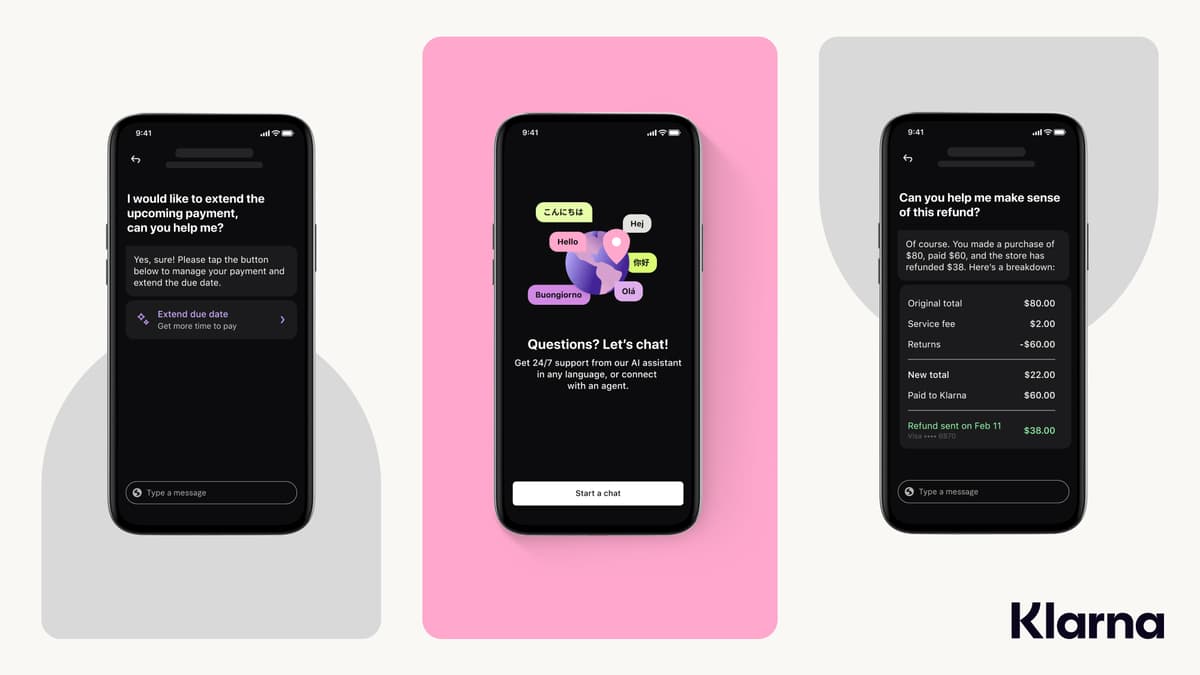
How Klarna, Nubank, Revolut, SoFi deploy AI agents — 50-70% resolution at 40-60% cost. Real benchmarks, compliance, vendor picks.

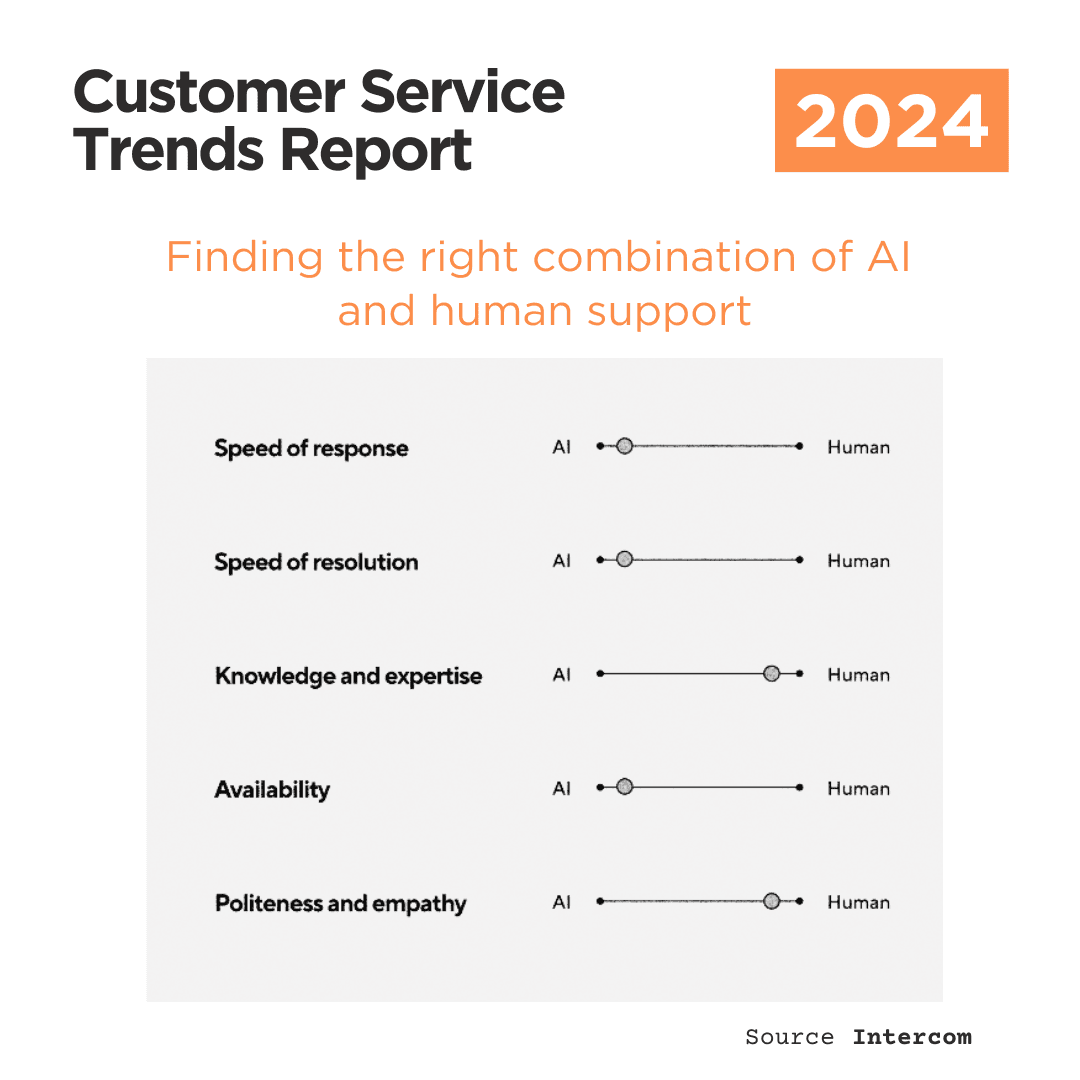
The optimal approach combines AI chatbots for routine queries (60% of tickets) with human support for complex issues requiring empathy.

AI chat bots are reshaping customer service through 24/7 availability, faster response times, and personalized interactions across industries.

AI chat bots in fintech automate compliance tasks, provide 24/7 support, and reduce operational costs while maintaining regulatory standards.

7 chatbot optimization techniques most teams skip — content audit, intent tuning, integrations, escalation quality. 15-30 point resolution lift.

AI chatbot optimization is critical for fintech support because it improves accuracy, ensures compliance, and delivers scalable customer service.

The future of AI chatbot optimization focuses on advanced personalization, enhanced accuracy, and seamless integration with support teams by 2025.

How to optimize an AI chatbot in 5 steps — accuracy, training, conversation flow, monitoring, iteration. Real lift in 30-day deployments.

AI chatbots scale fintech customer service through 24/7 availability, personalized interactions, and reduced customer acquisition costs.

AI handles escalations through confidence scoring, sentiment detection, and context-preserving handoffs — cutting repeat contacts 30%.

AI personal assistants enhance fintech lifecycle management through automation, personalization, and predictive analytics—improving response times by 60%.

Virtual assistants and small language models are revolutionizing support through automated interactions and personalized responses—cutting costs by 40%.

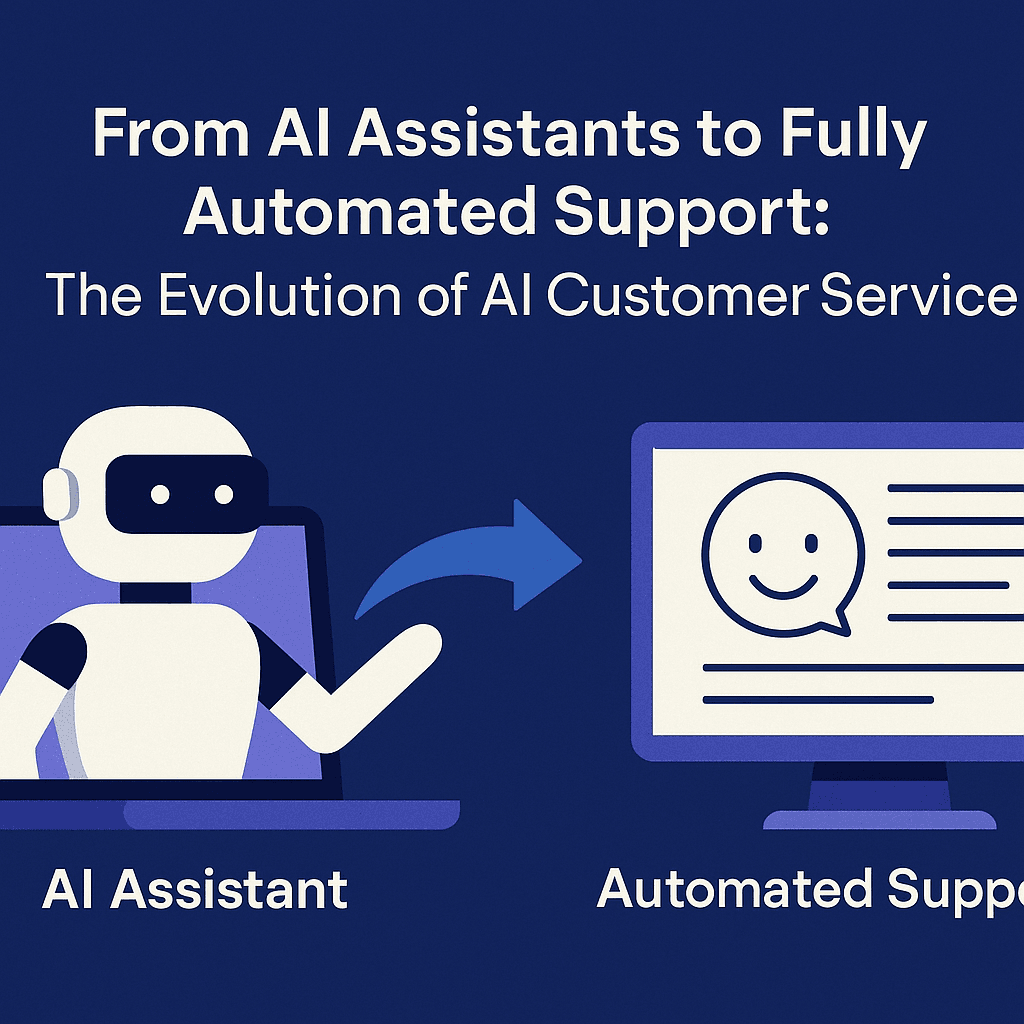
Enterprise AI customer service evolved from basic assistants to fully automated systems managing complex needs at scale—improving efficiency by 50%.

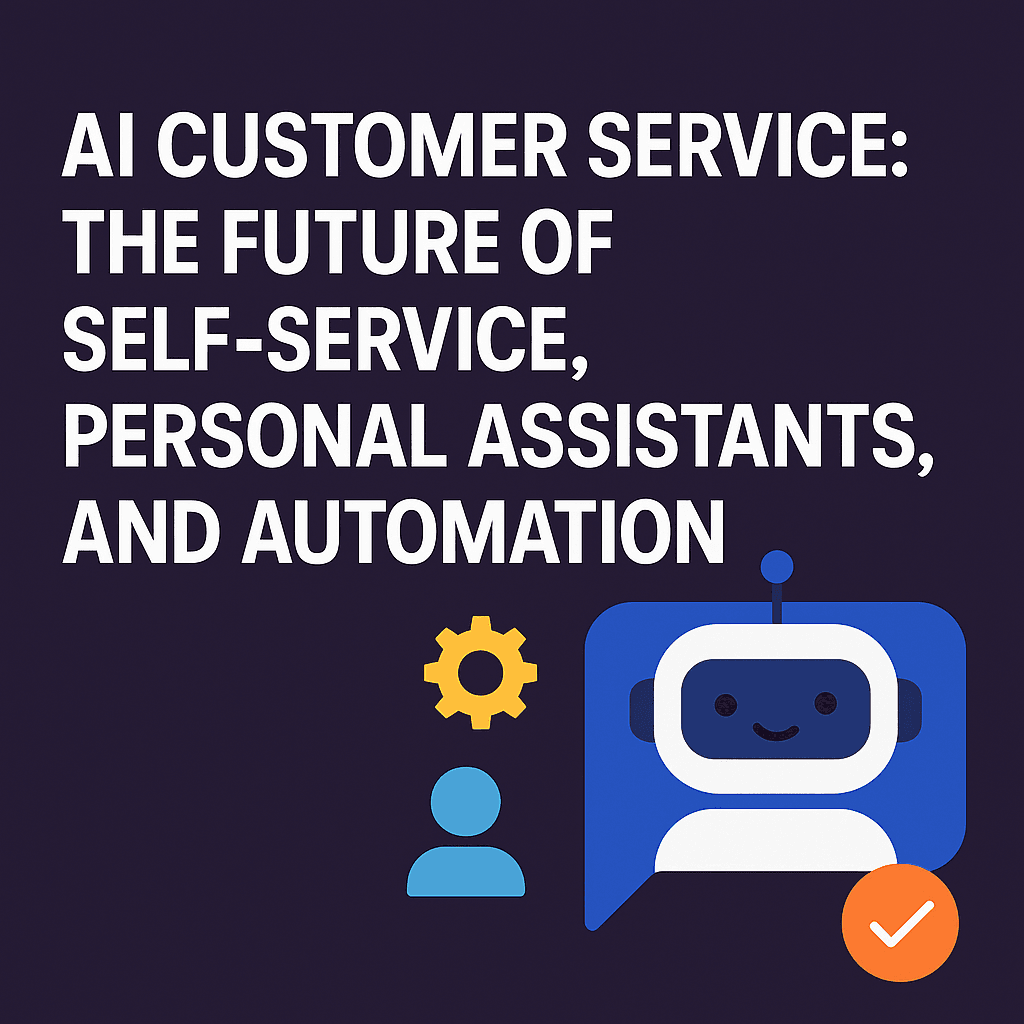
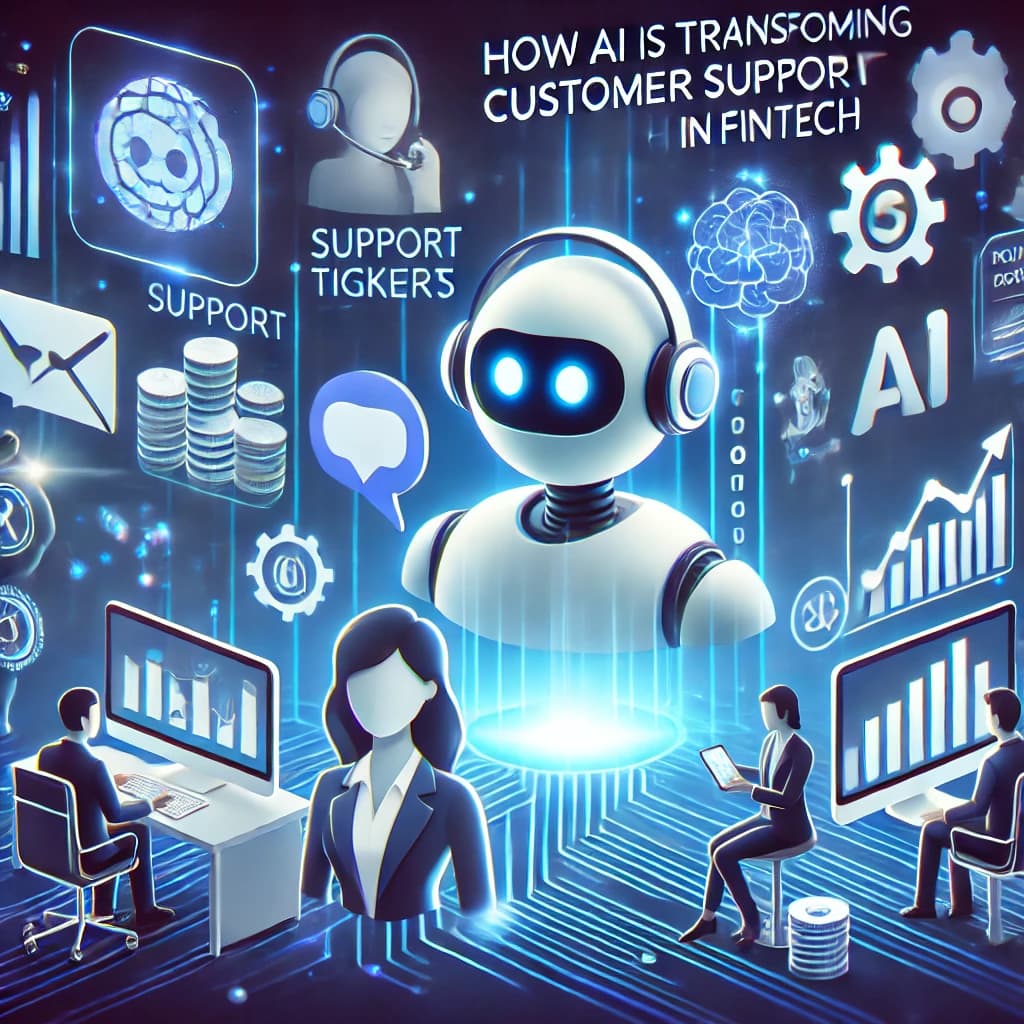
AI transforms fintech customer service through self-service solutions, personal assistants, and 24/7 automation—meeting rising customer expectations.

5 customer frustration signals most AI tools miss — and what to set up to catch them. Sentiment markers, behavioral signals, and what works.

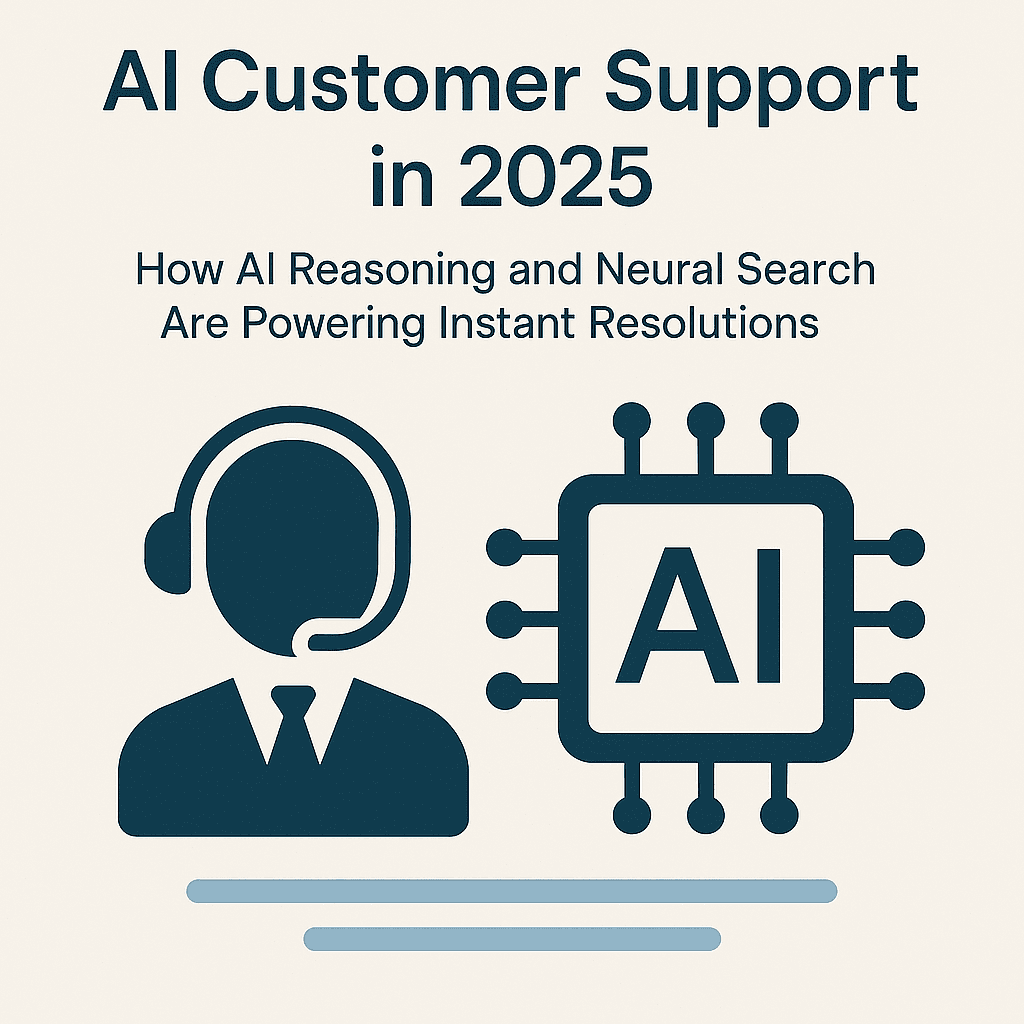
AI reasoning and neural search cut support resolution from minutes to seconds — 95% faster. How they work and what they replace.

5 lessons from Klarna's 66% AI automation: what they got right, what broke, and what your team should copy (or skip) in 2026.

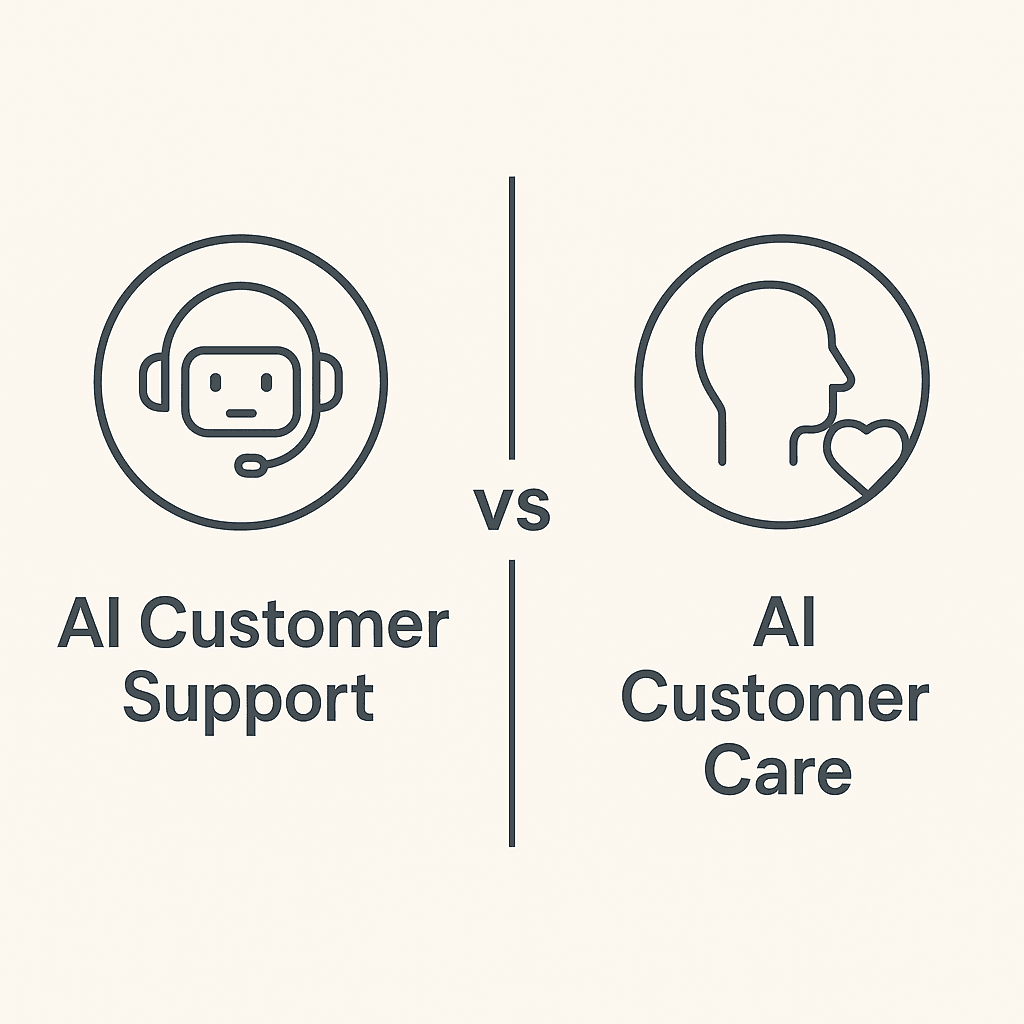
AI customer support focuses on resolving specific issues efficiently, while AI customer care emphasizes building relationships and proactive engagement.

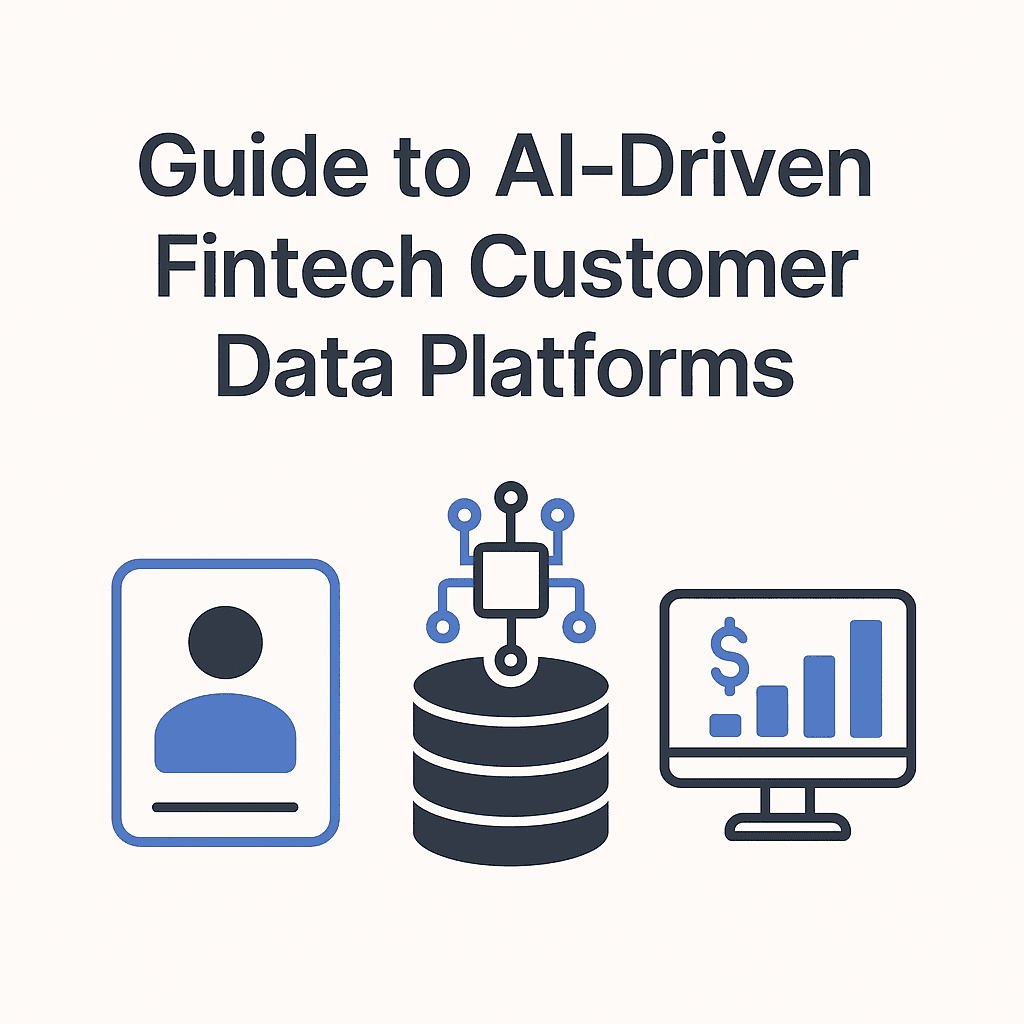
AI-driven customer data platforms help fintech companies unify customer data, enhance personalization, ensure compliance, and combat fraud at scale.

AI enhances fintech contact centers through automation, predictive analytics, and personalization, improving efficiency while meeting rising customer expectations.

AI escalation cuts support costs 30-50% via automated routing, priority management, and resource allocation. Real numbers and how to deploy.

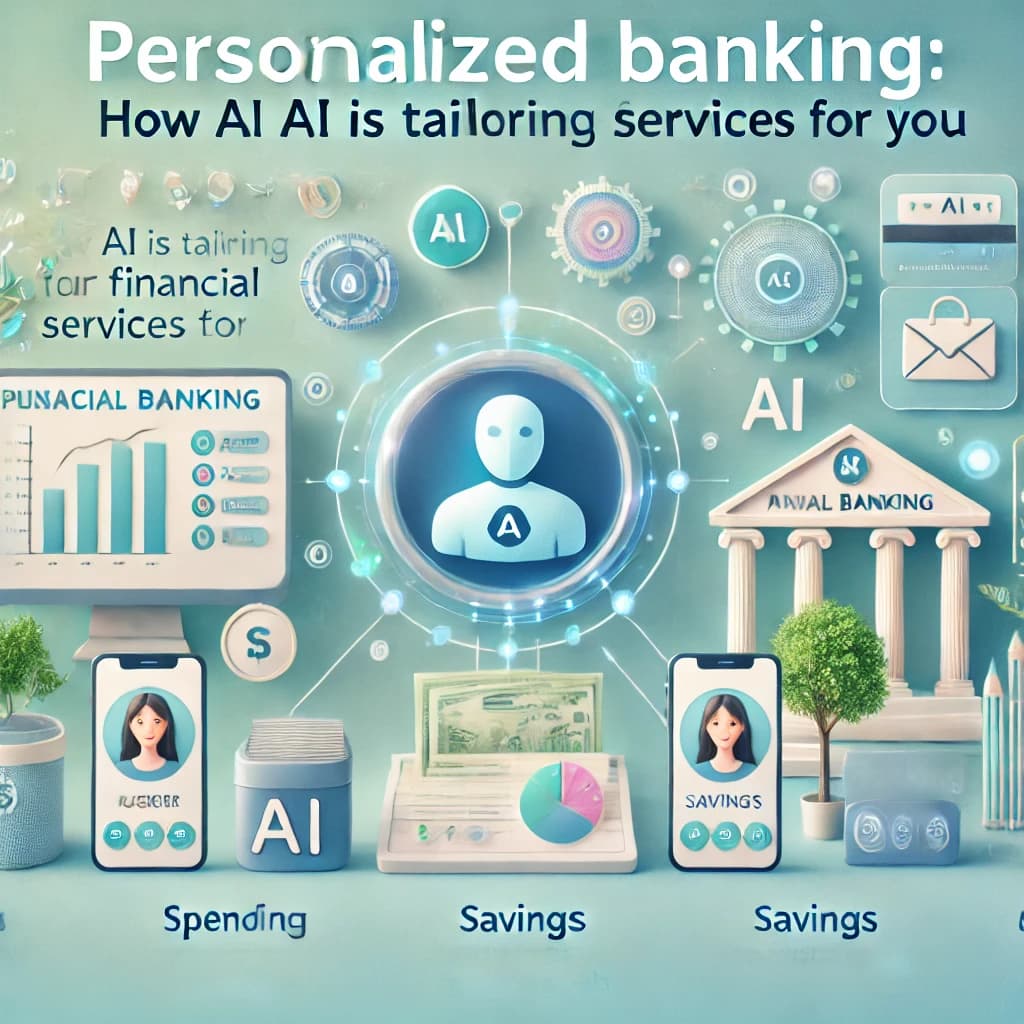
AI personalizes banking through real-time data analysis, tailored product recommendations, and proactive financial advice, driving customer retention.

AI handles fintech fraud claims through automated detection, streamlined claim processing, and proactive risk management, improving response times by 60%.

AI enables omnichannel fintech support through chatbots that maintain context across channels while meeting compliance requirements.

AI support cuts SaaS churn through 3 mechanisms: faster resolution, proactive outreach, retention triggers. Real tactics with NPS data.

AI revolutionizes fintech fraud detection through real-time behavioral analysis, reducing false positives while catching sophisticated threats.

AI transforms fintech self-service through agentic systems that make autonomous decisions, enhancing efficiency and personalization.

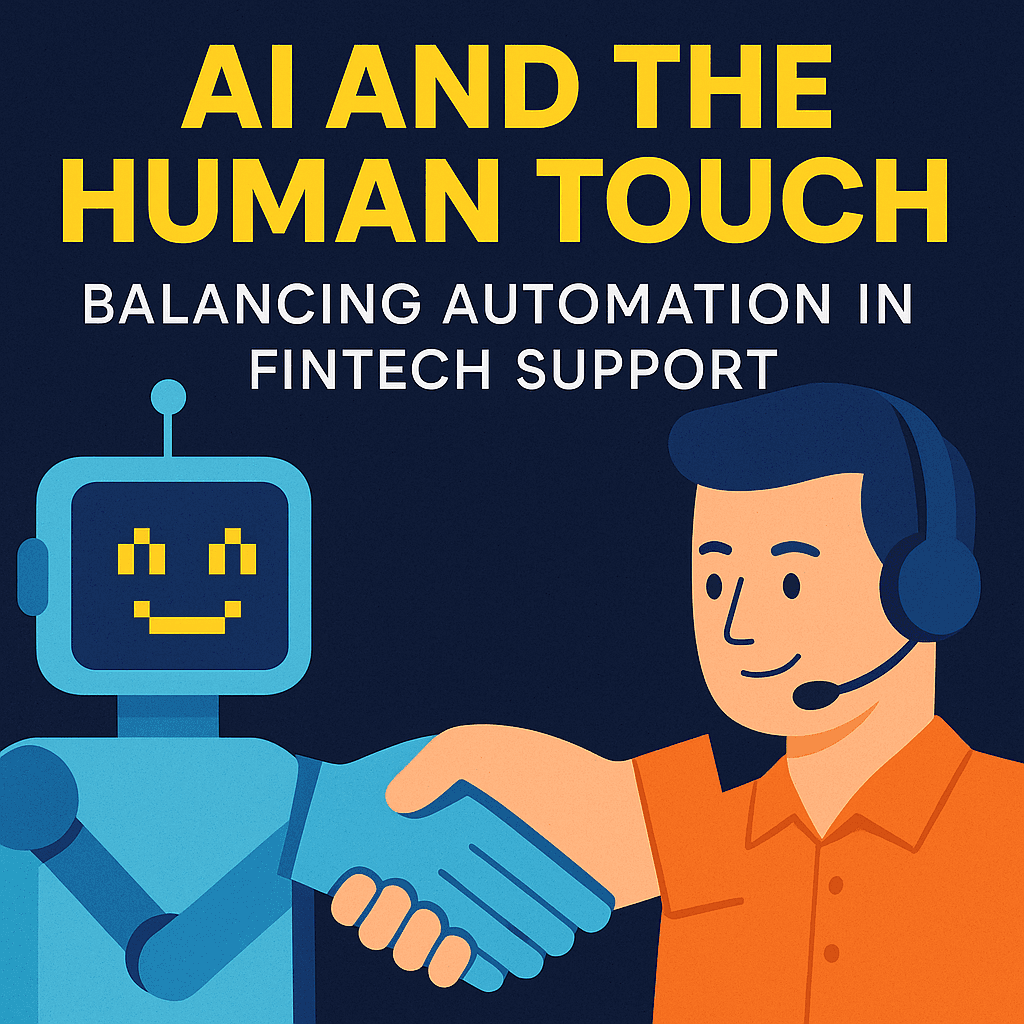
Balance AI and human support by using AI for efficiency and data-driven tasks while preserving human empathy for complex problems.

AI personal assistants boost fintech client loyalty through personalized services, enhanced support, and tailored product recommendations.

3 real wins from AI in fintech onboarding: automated KYC, lower CAC, personalized flows. What works at scale (and what to avoid).

AI improves e-commerce support through 24/7 availability, personalized shopping assistance, and automated operations — reducing costs by up to 40%.

AI enables multilingual fintech support through automated translation, cultural localization, and compliance-aware responses across global markets.

AI assistants transform CSM workflows by automating routine tasks, providing real-time customer insights, and enabling proactive engagement strategies.

AI assistants are transforming CCO roles by providing strategic customer insights, automating engagement processes, and enabling data-driven decisions.

3 AI assistant plays for customer marketing: behavioral insights, predictive analytics, dynamic content delivery. With real engagement numbers.

AI personalization in fintech cuts CAC 25% via behavioral data + ML-driven recommendations. The mechanics, real data, and what most teams miss.

Only 3 AI tools actually work for ecommerce support — Gorgias, Twig, Tidio. Returns, WISMO, product queries at scale. Real benchmarks.

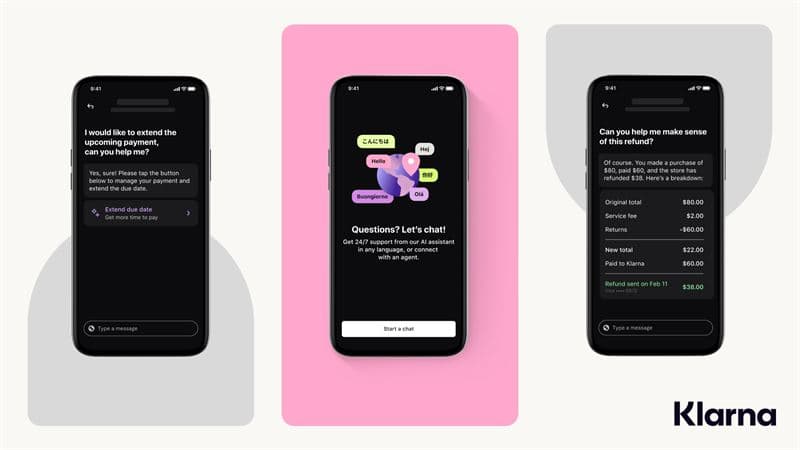
Klarna uses AI to automate 80% of dispute resolution through predictive analytics, automated decision-making, and personalized payment solutions.

AI service workflows boost CX efficiency by 45% through task automation, intelligent routing, and predictive issue resolution.

AI workflows will enable hyper-personalized service, predictive support, and autonomous problem-solving — transforming 90% of interactions by 2026.

AI redefines fintech customer care through automated inquiries, personalized experiences, and reduced acquisition costs while boosting retention rates.

AI reduces fintech wait times through 24/7 automated support, predictive customer needs analysis, and self-service options that boost satisfaction.

AI and RPA integration creates powerful fintech support through instant chatbot assistance and optimized backend processes for seamless operations.

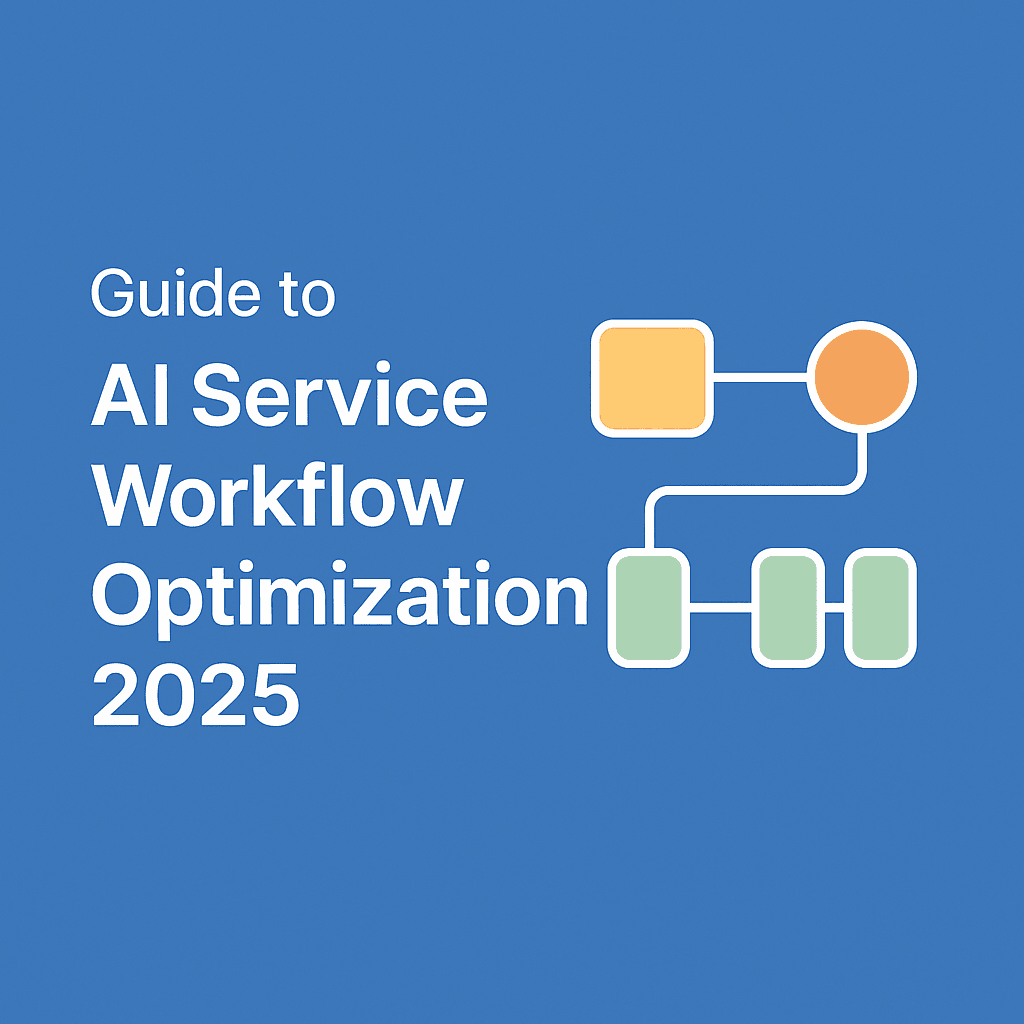
2025 AI service workflow optimization uses advanced automation, task sequencing, and workflow builders to enhance support efficiency and satisfaction.

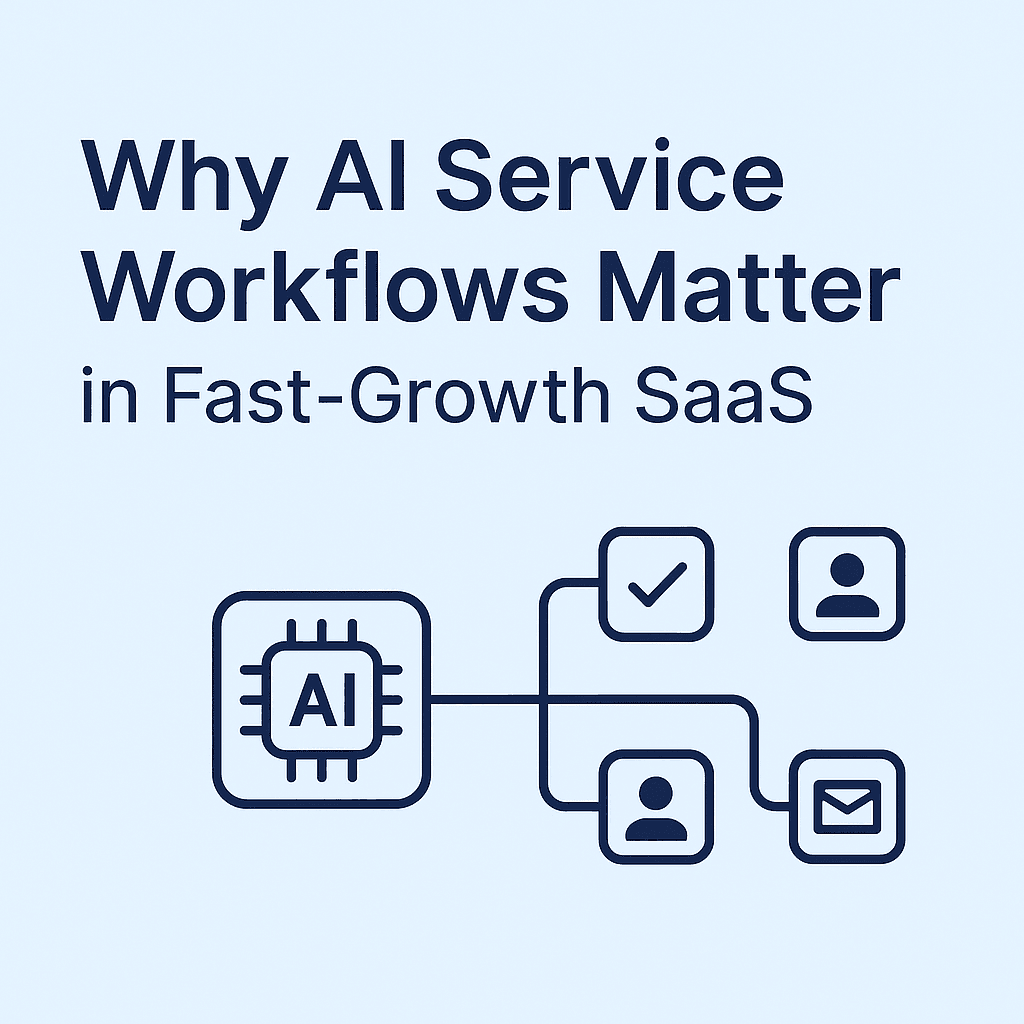
Fast-growth SaaS companies use AI service workflows to automate interactions, reduce costs, and maintain service quality while scaling rapidly.

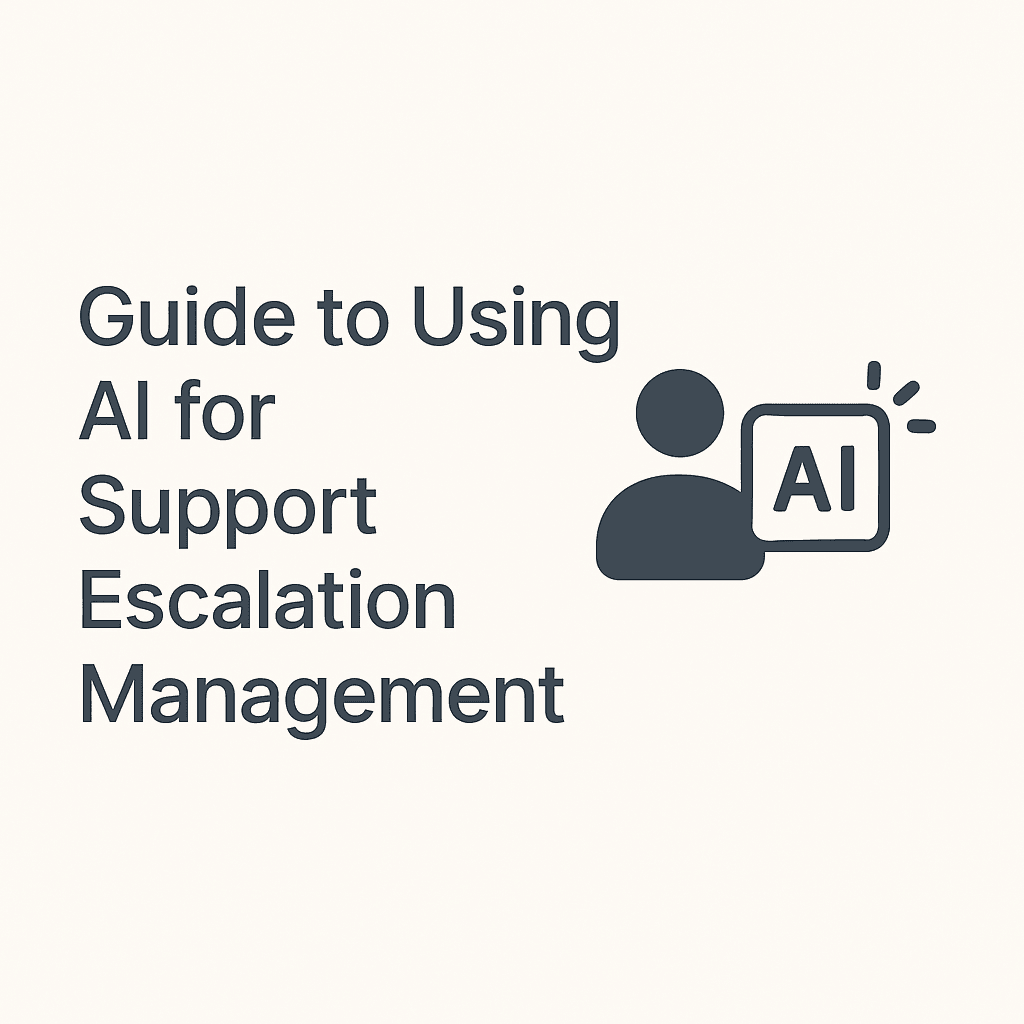
What actually works for AI support escalation: prioritization, real-time analysis, intelligent routing. The tactics that move the needle in 2026.

AI cuts 70% of support load for fintech startups — intelligent resolution, enterprise CX without headcount. The playbook for sub-$5M ARR teams.
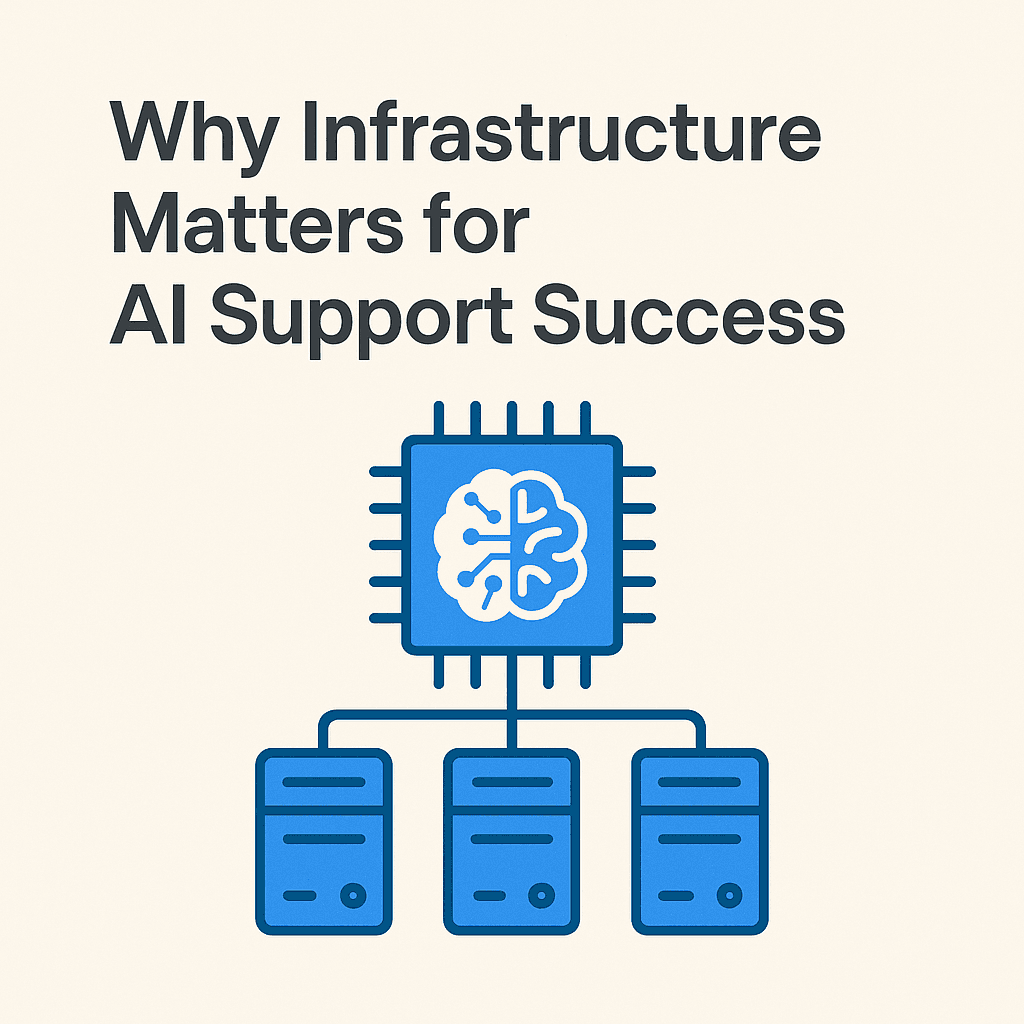
AI support infrastructure scales customer service through automated workflows, machine learning algorithms, and intelligent routing — reducing operational costs while improving response times.
AI tax assistants enhance taxpayer self-service through automated guidance, personalized interactions, and escalation management — reducing support workload by 40-60%.

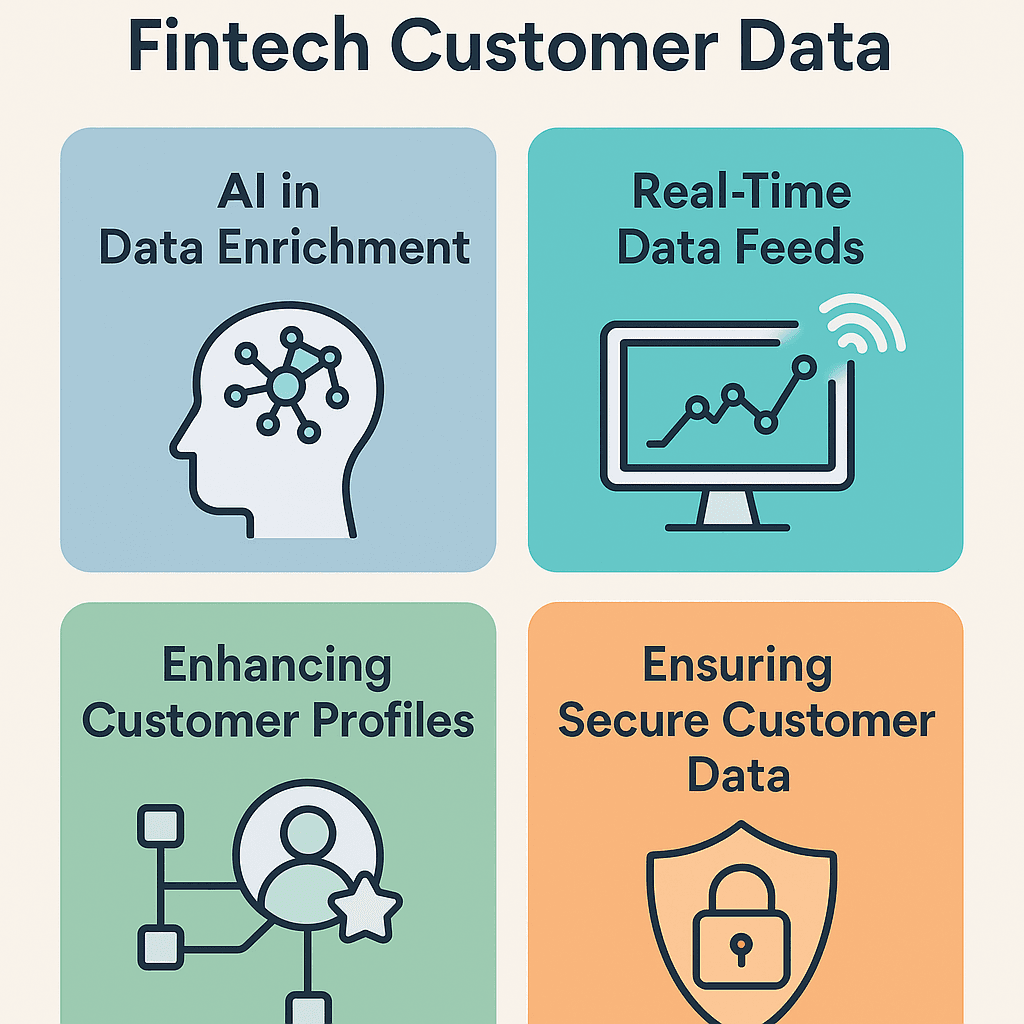
Top AI use cases in fintech include data enrichment, real-time decision-making, and personalized experiences while ensuring compliance and security.

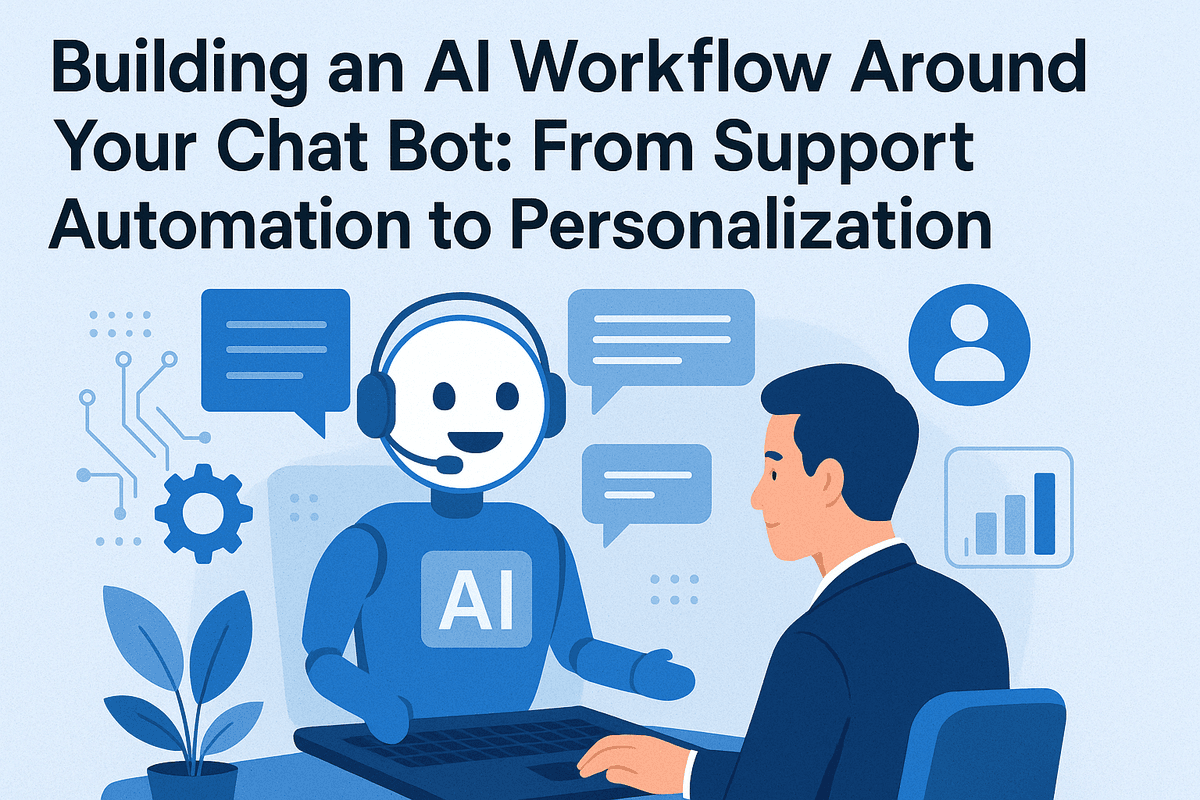
5 steps to build an AI workflow around your chatbot: integrations, personalization, analytics, escalation, feedback. What actually works.

3 wins from AIOps platforms in fintech support: automation, predictive routing, personalization at scale. What works for 2026.

Fintech companies automate support through AI chatbots, self-service tools, and workflow automation, reducing costs by 30-50% while improving satisfaction.

Effective B2B segmentation uses firmographic, behavioral, needs-based, and customer value strategies to increase satisfaction by 25-40%.

B2B customer service fails due to poor feedback loops and lacks customer success focus, but implementing structured feedback systems can improve retention by 20-35%.

SaaS companies convert feedback into revenue through automated feedback loops, proactive product development, and data-driven upselling strategies.

Customer Success Managers focus on proactive relationship management and retention, delivering 20-30% higher customer lifetime value than reactive support.

Leading B2B customer success platforms include Gainsight, ChurnZero, and Totango, each offering unique automation and analytics capabilities.

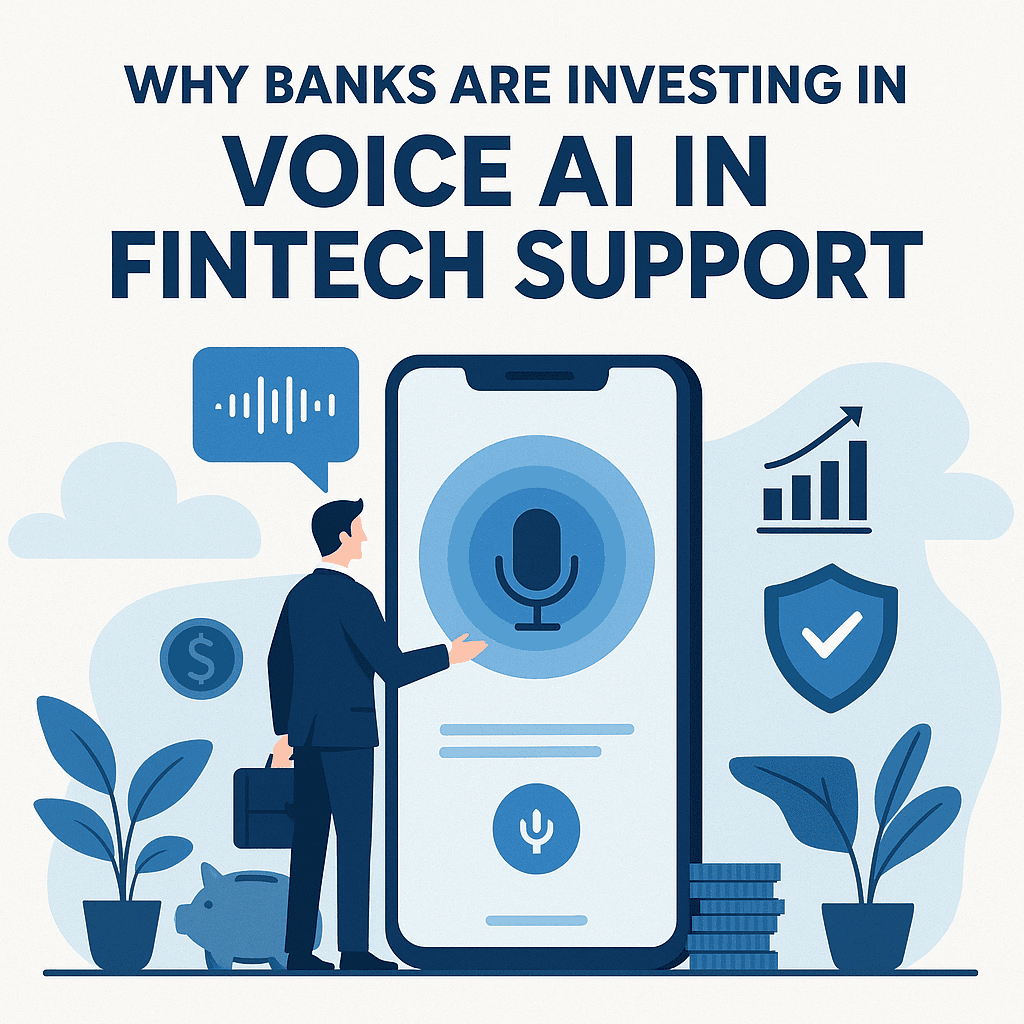
Banks invest in voice AI to reduce call center costs by 40-60% while improving customer satisfaction through 24/7 personalized financial support.

Modern ecommerce platforms like Webflow enable no-code website creation, reducing development time by 70% and eliminating technical barriers.

AI builds trust in financial services through enhanced security protocols, 24/7 availability, and personalized interactions that improve satisfaction by 30%.

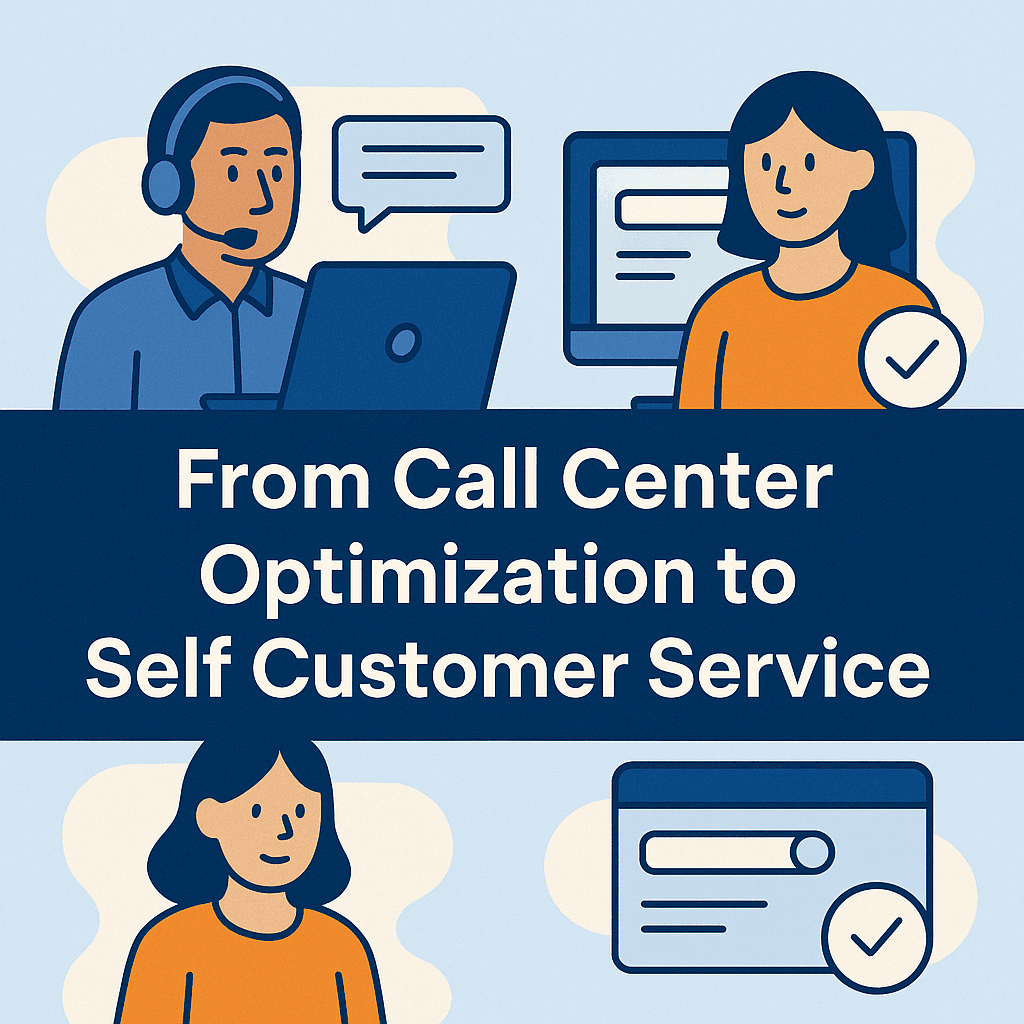
Transition by implementing AI-powered self-service tools, knowledge bases, and automated workflows while maintaining human support for complex issues.

Choose B2B customer success software based on customer segmentation, analytics capabilities, automation features, and integration with existing tools.

Balance compliance and customer experience through automated content filtering, real-time monitoring, and clear escalation paths for sensitive tax queries.

AI personal assistants in fintech enable 24/7 support, faster response times, and personalized experiences that help businesses scale efficiently.

Virtual assistants in fintech provide faster, personalized interactions, reduce operational costs, and handle complex financial queries 24/7.

Fintech firms use AI for customer data analysis to enable real-time personalization, automate compliance monitoring, and detect fraud patterns.

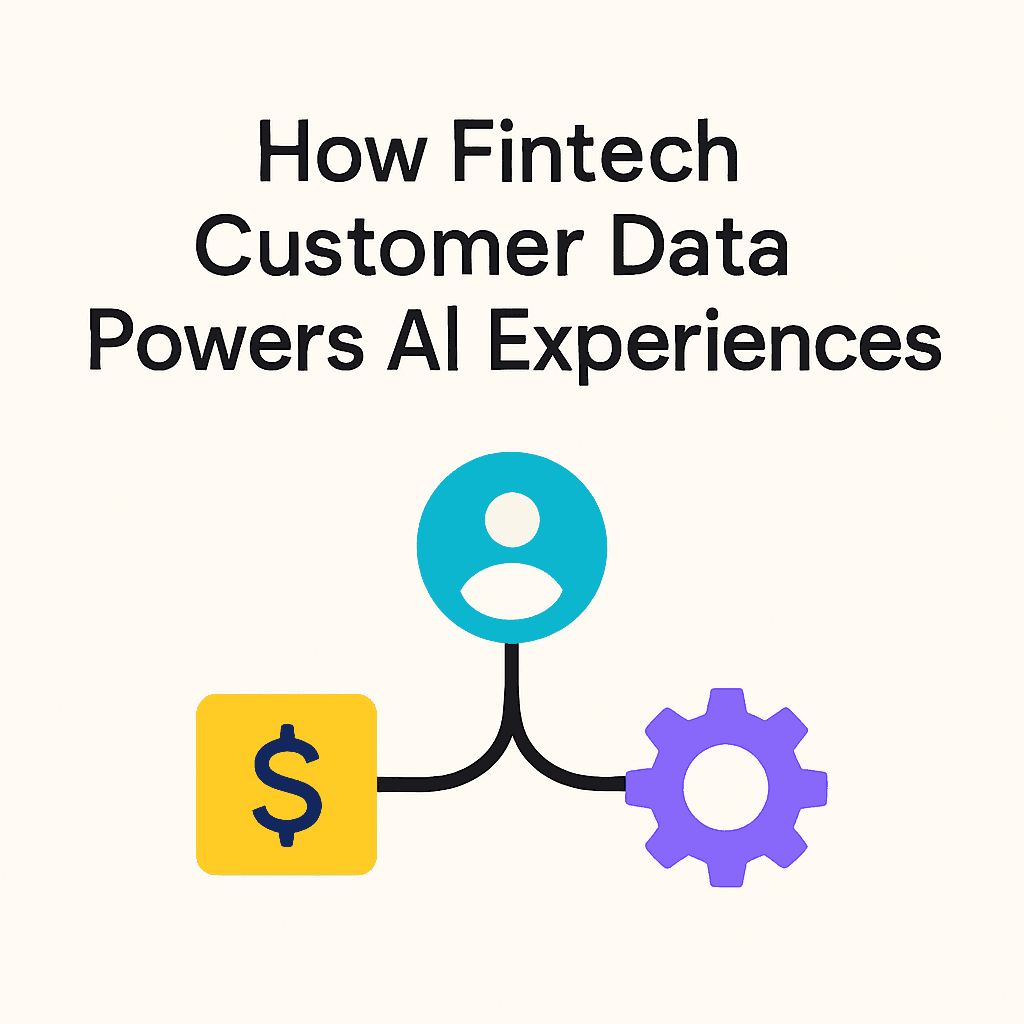
Fintech customer data fuels AI through transaction history, behavioral patterns, and risk profiles to deliver personalized financial services.

AI enhances fintech data protection through machine learning threat detection, automated compliance monitoring, and privacy-enhancing technologies.

AI will revolutionize ecommerce support through personalized chatbots, predictive assistance, and automated order management reducing response times by 70%.

AI escalation workflows use NLP and sentiment analysis to automatically route complex issues, reducing escalation time by 50% while preserving context.

AI in financial services automates routine inquiries, enables 24/7 support, and reduces operational costs by 30-40% while maintaining compliance.

3 pillars for scalable AI support infrastructure: cloud-native architecture, microservices, auto-scaling. The blueprint, with real benchmarks.

AI delivers empathy through sentiment analysis, personalized responses, and EQ — lifting CSAT 25-30%. What works, what feels fake.

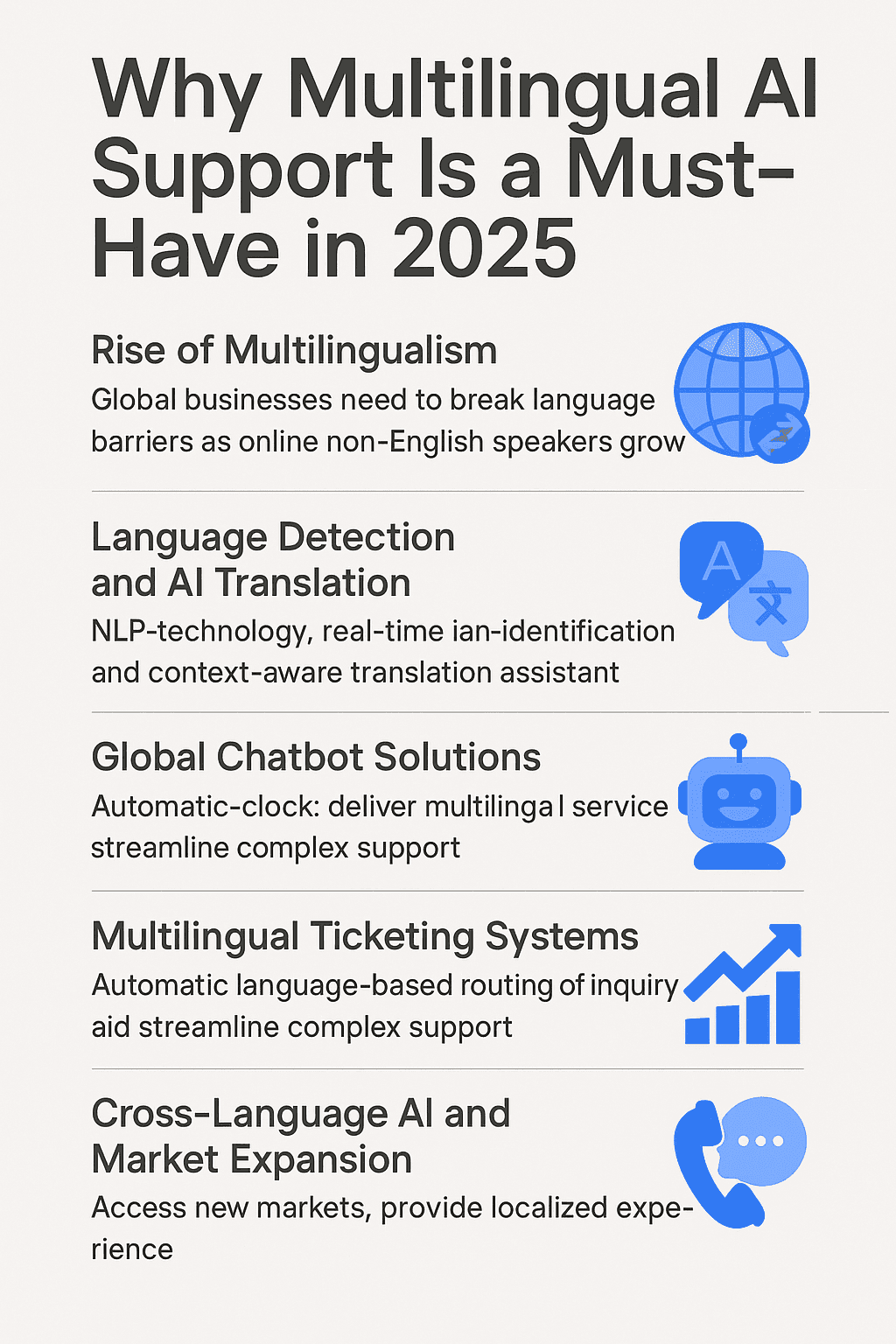
Multilingual AI scales global support to 50+ languages with cultural awareness and real-time translation — cutting response times 70%.

Voice AI in fintech enables natural conversation banking, reduces call handling time by 50%, and provides secure voice authentication for transactions.

Build scalable AI support infrastructure 60% faster with modular architecture, data management, and observability. The deployment guide.

AI support automation explained: the 5 automation layers (triage, routing, resolution, escalation, QA), real benchmarks, top tools ranked, and expected ROI in year one.

Real-time conversation analysis, behavioral data, automated customization. 3 tactics that scale AI personalization without breaking your stack.

AI transforms fintech customer service through 24/7 chatbots, reducing call volumes while enabling human agents to handle complex inquiries.

Klarna's AI handled 2.3M chats in month one — 700 agents' worth. Resolution dropped 82%. What they built, what broke, what to replicate.

AI creates personalized fintech journeys through data analysis, behavioral tracking, and predictive modeling—boosting customer loyalty by 25-40%.

Robust infrastructure ensures AI support scalability, reliability, and performance—preventing 99% of system failures and supporting growth.

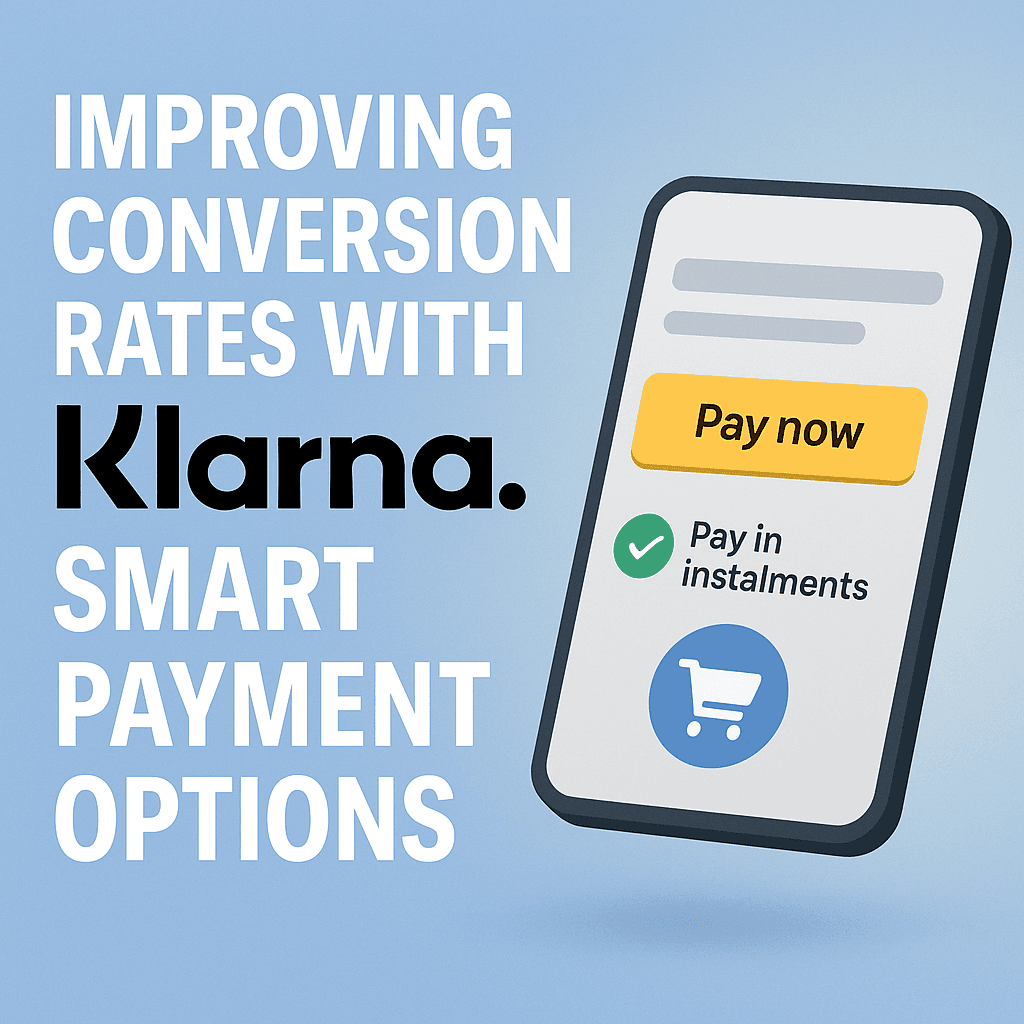
Klarna's smart payment options reduce cart abandonment by 35% and increase conversion rates through flexible Buy Now, Pay Later solutions.

Klarna automated 67% of chats in 30 days and claimed $40M in hiring savings. A year later, they walked back the claims. What actually happened.

Klarna uses AI-powered risk scoring, personalized payment options, and real-time fraud detection to maintain seamless UX while managing financial risk.

Klarna replaced chatbots with AI agents — 60% inquiries autonomous, 80% faster response. What they built, what broke, what to copy.

Klarna analyzes 150+ data points per customer to deliver personalized payment options — boosting merchant conversion 25%. The playbook.

Klarna built embedded finance into 500K+ merchant platforms. Here's what that strategy reveals about where fintech is heading next.

Klarna retains 150 million users through flexible payment options, rewards programs, and AI-powered personalization that reduces cart abandonment by 35%.

Klarna's AI processes 2M credit decisions daily, personalizes payment terms, and resolves 70% of support tickets. The BNPL playbook, decoded.

75% of customers want native-language support. We tested 7 multilingual AI tools — 5 broke at scale. The 2 that actually work, and what tripped them up.

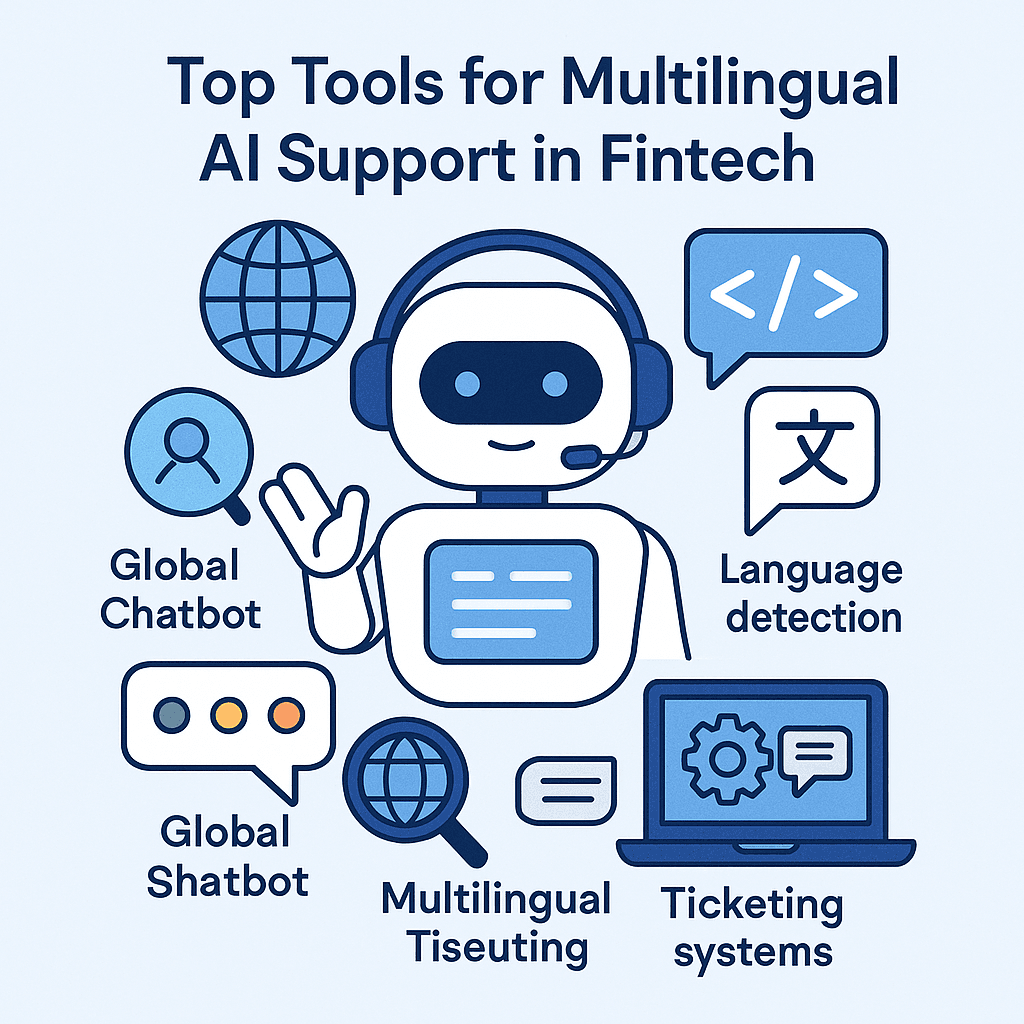
Top multilingual AI platforms for fintech and financial services: translation APIs, voice recognition, compliance-ready conversational AI — boost CSAT 60% across global markets.

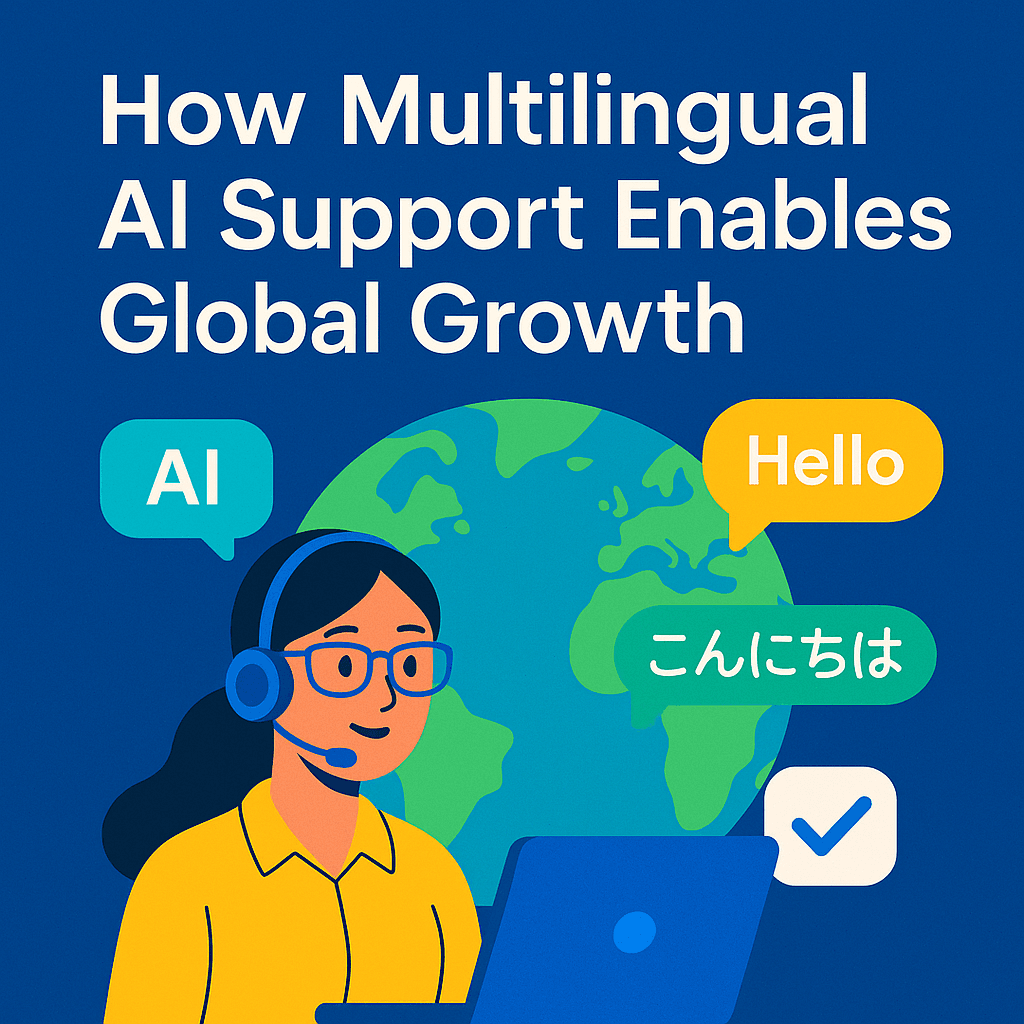
Multilingual AI support drives global growth by reducing language barriers and operational costs by 50% while improving satisfaction.

Implement multilingual AI through language detection, AI translation integration, and continuous optimization — reducing support costs by 40%.

AI enhances fintech post-onboarding through personalized interactions, proactive support, and behavioral analysis — reducing churn by 20-30%.

Retailers adopt AI support for 24/7 availability, 50% cost reduction, and ability to handle peak traffic without additional staffing.

Self-service support empowers users through instant access to solutions, reducing resolution time by 75% and increasing satisfaction by 40%.

Self-service integration with customer success tools creates 24/7 support, reduces costs by 45%, and improves customer health scores.

Smart teams trust AI escalation because it automates ticket prioritization, improves response times, and reduces manual routing errors by up to 60%.

Technical Account Managers need customer success software to deliver personalized, scalable service while maximizing ROI and fostering long-term relationships.

Generic AI chatbots fail technical support queries 40-60% of the time. Why tech support AI needs different tools — and which ones actually deliver.

Testimonials become actionable by analyzing feedback patterns to identify self-service gaps and improve customer experience touchpoints.

Only 4 AI chatbots are SOC 2 Type II compliant for fintech. KYC, fraud alerts, regulated workflows — what to require, what to avoid.

Leading AI workflow tools like Zendesk, Salesforce Service Cloud, and Freshdesk's Freddy AI automate task sequencing and boost support team productivity by 40-60%.

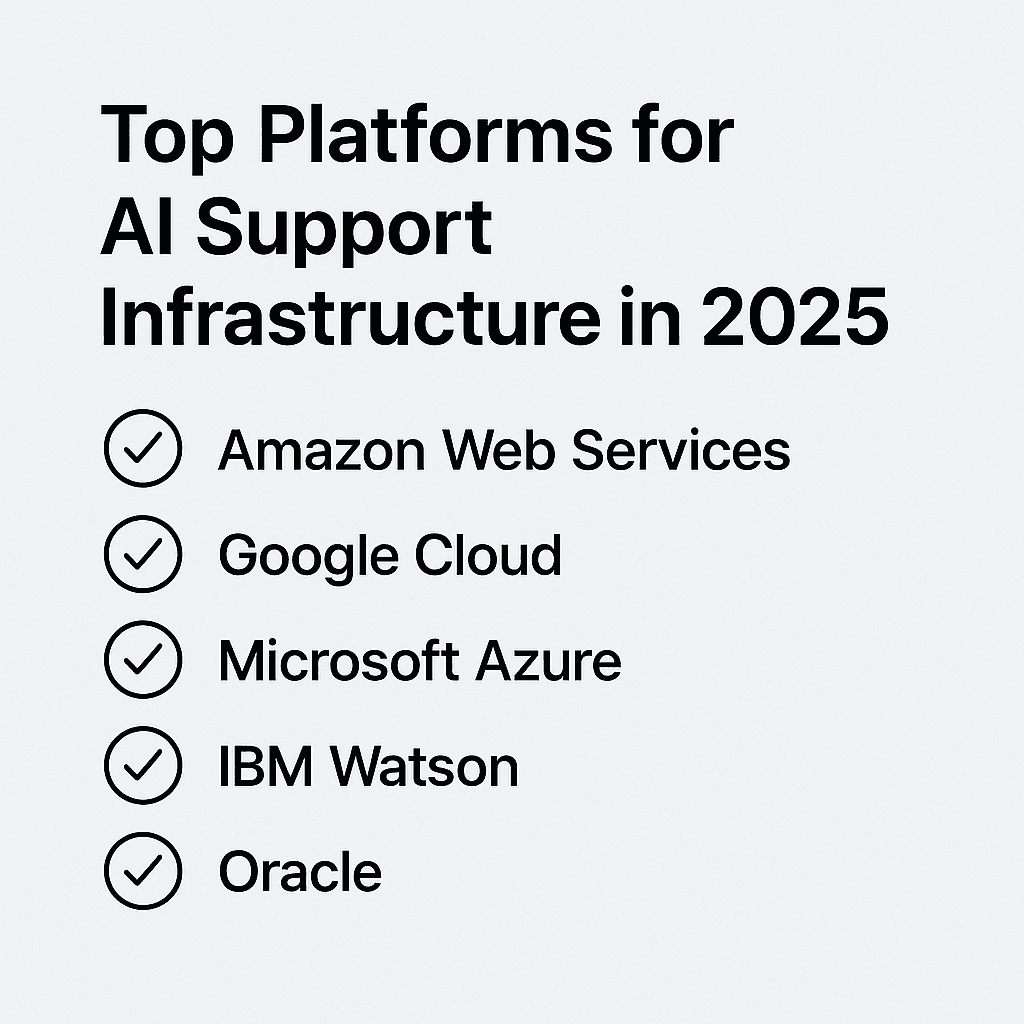
AWS, Google Cloud, Azure, IBM Watson, Oracle — which AI support platforms actually scale in 2026? Honest comparison and our pick.

Essential 2025 e-commerce AI tools include product assistant bots, AI checkout solutions, and predictive analytics that personalize shopping experiences and reduce cart abandonment by 35%.

Top 2025 platforms prioritize AI integration, self-service capabilities, and virtual assistants — driving 40% efficiency gains in fintech.

Only 4 AI escalation tools pass SOC 2 for fintech. Zendesk, Freshdesk, and 2 more — with auto-escalation logic that cuts response 60%.

5 voice AI tools that actually work for fintech — Nuance, Kasisto, Google Dialogflow, and 2 more. 90% accuracy in production.

Financial AI models require diverse conversation data, NLP for context understanding, and emotional intelligence — achieving 85% automation rates.

AI automates workflows, personalizes service, and reduces resolution times by 70% — shifting fintech support from reactive to proactive.

Customer success software transforms insights into action through automated workflows, predictive analytics, and feedback loops — improving retention by 25%.

Voice AI improves fintech journeys through 24/7 availability, biometric authentication, and personalized interactions — reducing call times by 40%.

Voice AI transforms fintech interactions through natural language processing, instant transactions, and cost reduction — cutting support costs by 50%.

Customer support leaders like Ethan Walfish share insights on AI adoption, team scaling, and future industry challenges through expert interviews.

Customer support executives like Alex Litoff discuss team building, technology adoption, and industry challenges in expert interview series.

AI personal assistants capture customer feedback through automated collection, sentiment analysis, and real-time insights — improving satisfaction by 40%.

Klarna's first AI support attempt failed due to poor implementation, but they corrected course to automate 66% of customer inquiries successfully.