support metrics
What should CX leaders budget for AI support in 2026?
2026 AI support budgets vary by company size and industry, with deflection rates ranging 15-85% based on implementation maturity levels.
March 29, 2026·13 min read
2026 AI support budgets vary by company size and industry, with deflection rates ranging 15-85% based on implementation maturity levels.
AI support maturity follows five stages from basic pilot (10% deflection) to full autonomous resolution (60-70% deflection) with specific metrics benchmarks.
Calculate AI support ROI before buying — cost per ticket, deflection rate, payback period. Industry benchmark: 12-18 mo at 2,000+ tickets/mo.
Deflection rate is a vanity AI metric — it doesn't show if problems were solved. Resolution rate + CSAT are the numbers that matter.
License fees represent only 50-65% of Year 1 costs — implementation, training, and integration add $60K+ to a $100K contract.
20 real benefits AI gives support teams — 60% faster replies, 40% cost reduction, better deflection. Ranked by measurable ROI.

Agentic behavior is the tendency to act autonomously — making deliberate choices and taking initiative. Definition, real-world examples in customers, employees, and AI systems, and why it drives business outcomes.
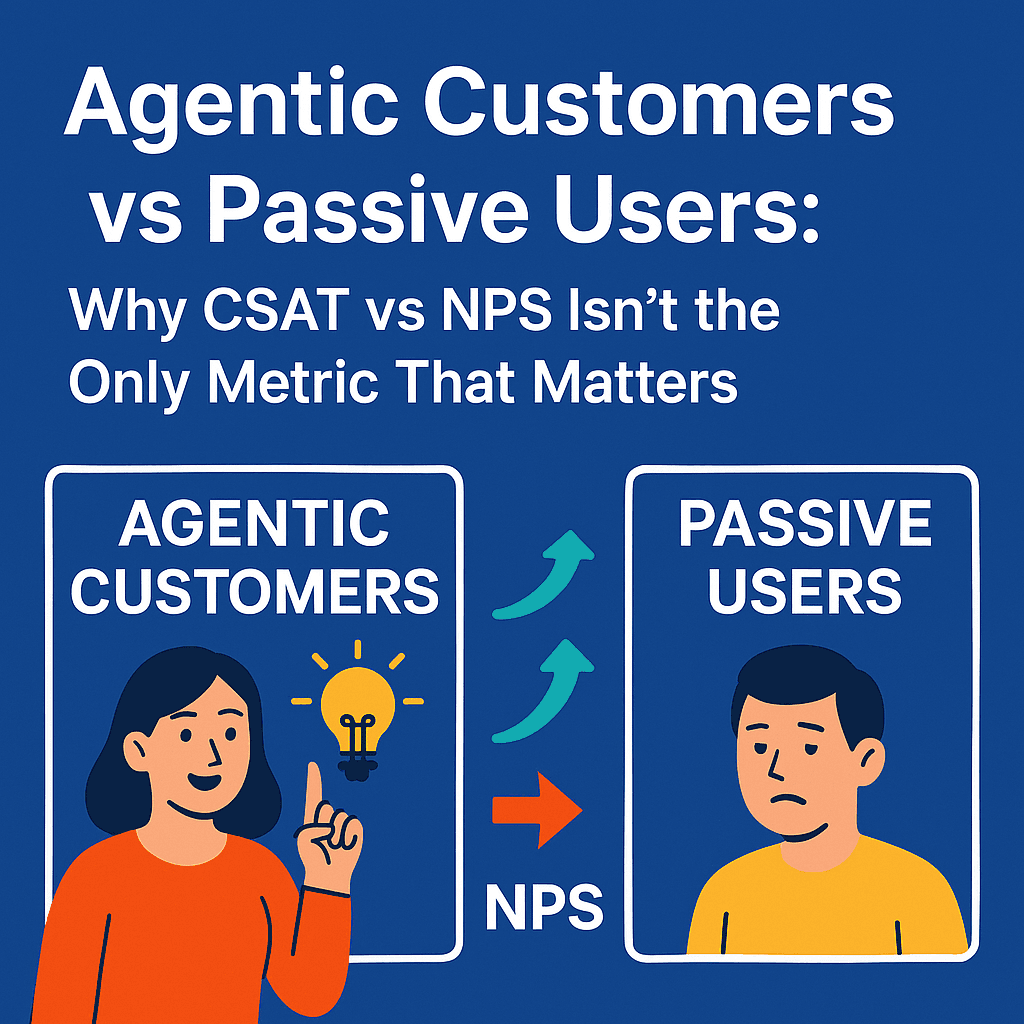
Agentic customers show 40% higher lifetime value than passive users, revealing why CSAT and NPS alone miss key engagement metrics.

7 chatbot optimization metrics most teams miss: intent accuracy, task completion, escalation quality, and 4 more that actually predict ROI.
3 reasons AI assistants lift client retention: personalized interactions, proactive issue detection, data-driven engagement. With real numbers.
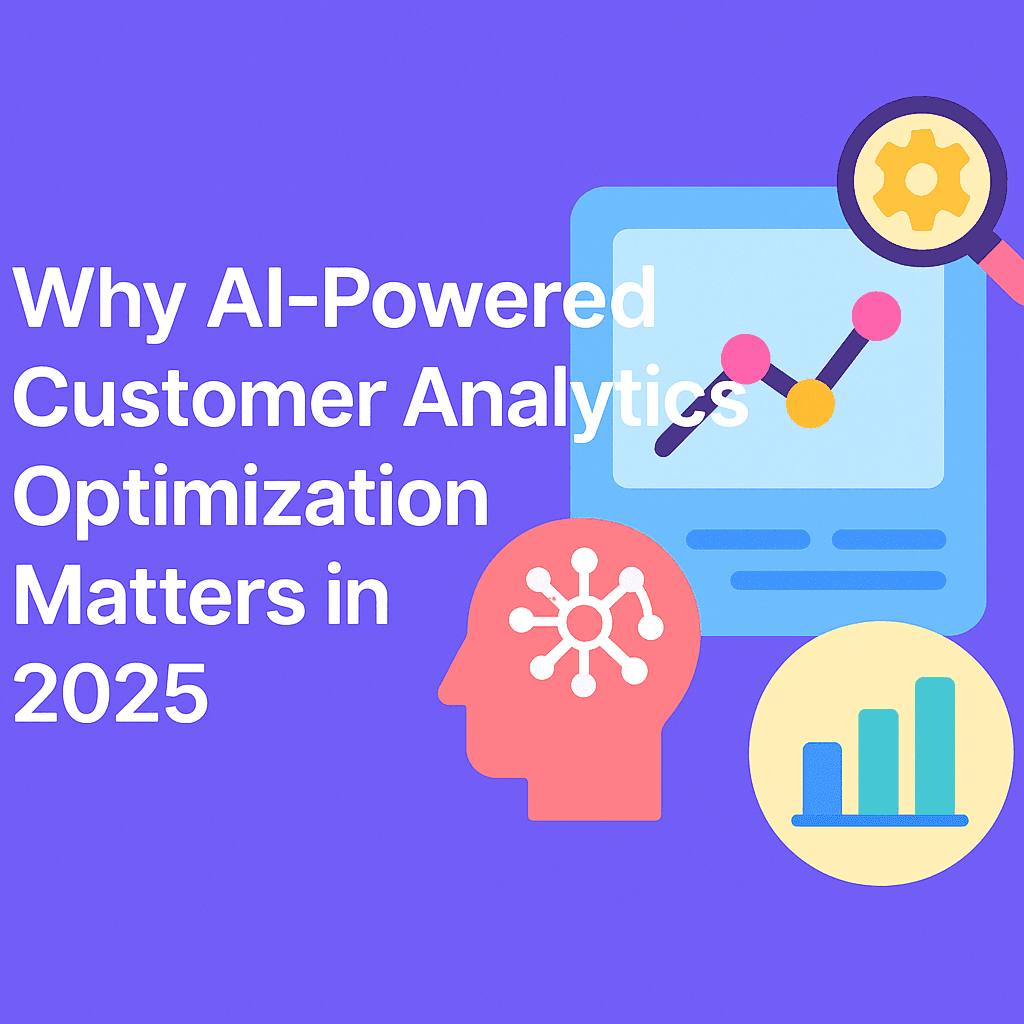
AI customer analytics enable real-time behavior analysis and predictive modeling, giving businesses a critical competitive edge in digital markets.

AI analytics boost loyalty through personalized experiences and predictive insights, improving satisfaction and fostering long-term relationships.
AI customer analytics workflows are evolving toward real-time decision-making and automated insights, revolutionizing business operations.

5 AI customer analytics strategies that actually work — data quality, tool selection, behavioral insights. What drives real customer understanding.
Top AI customer service tools — AIOps, chatbots, virtual assistants. Which 7 actually deliver on response time, accuracy, and CSAT?
AI-powered CX analytics in fintech uses predictive modeling and behavioral analysis to enhance service delivery and reduce churn by up to 25%.

AI sentiment analysis provides fintech companies deeper customer insights, enabling personalized experiences and swift responses to customer needs.
AI tax assistants improve customer sentiment by 25-40% and reduce escalations through instant responses, accuracy improvements, and personalized tax guidance.
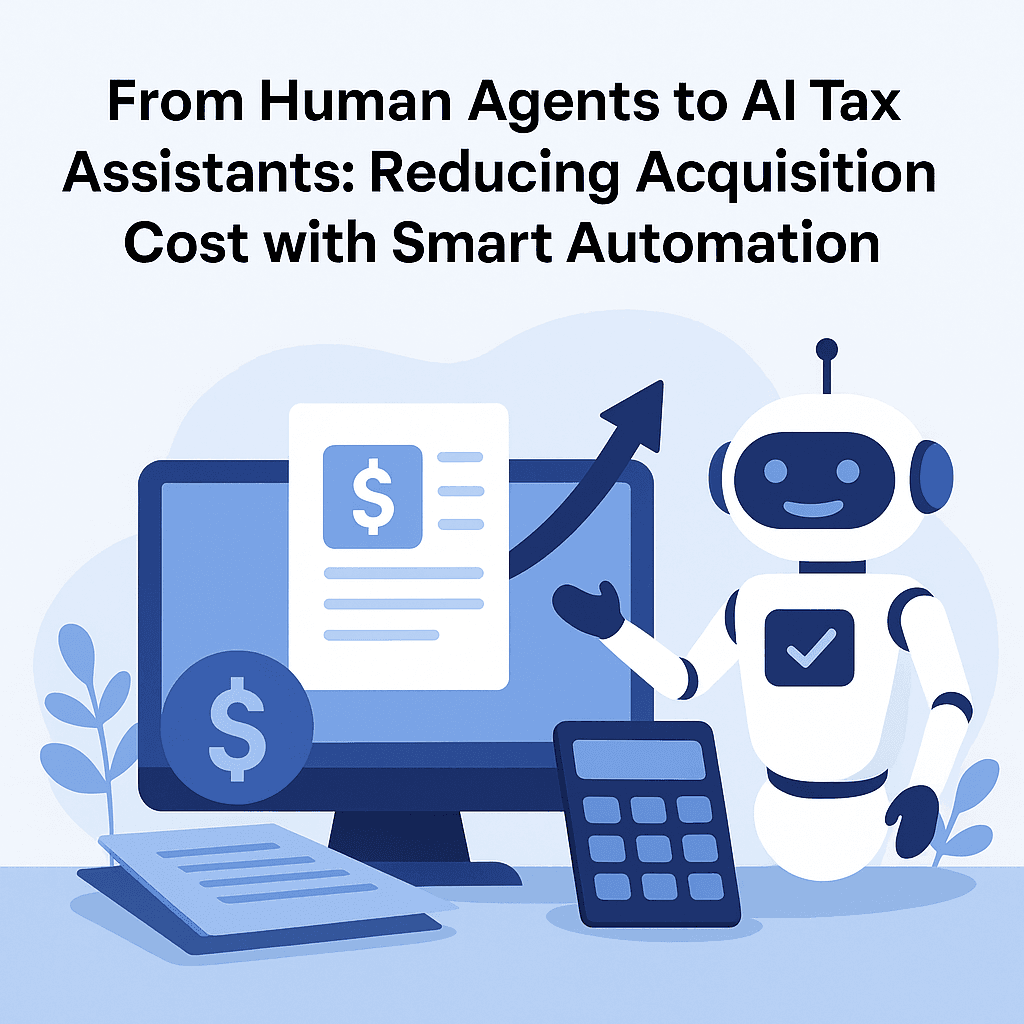
AI tax assistants reduce acquisition costs by automating complex processes, improving satisfaction metrics, and enabling strategic resource allocation.
Churn prediction models help optimize Customer Acquisition Cost by identifying at-risk customers early, reducing acquisition waste by 20-30%.

Customer success software delivers 15-25% churn reduction and 20-30% revenue growth through health scoring, automation, and predictive analytics.
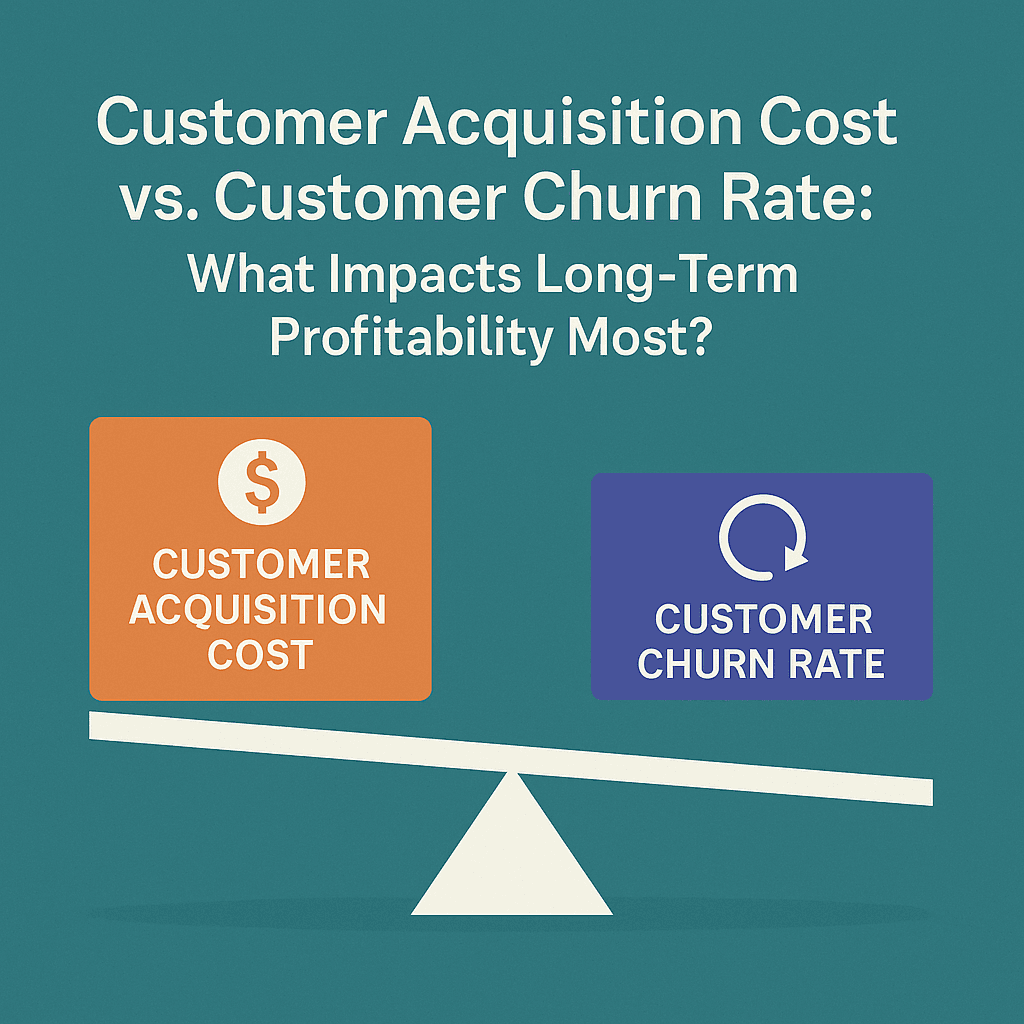
CAC vs churn — we ran the numbers on 1,000-customer SaaS. Fix CAC first under $5M ARR; fix churn first above $10M. Worked example inside.
Customer retention AI is essential in 2025 due to rising acquisition costs and the need for predictive churn prevention and personalized engagement at scale.
Customer retention AI reduces churn through predictive analytics, personalized engagement triggers, and proactive intervention strategies that identify at-risk customers.
Effective retention AI workflows combine churn prediction, loyalty scoring, and automated engagement triggers to proactively retain at-risk customers.
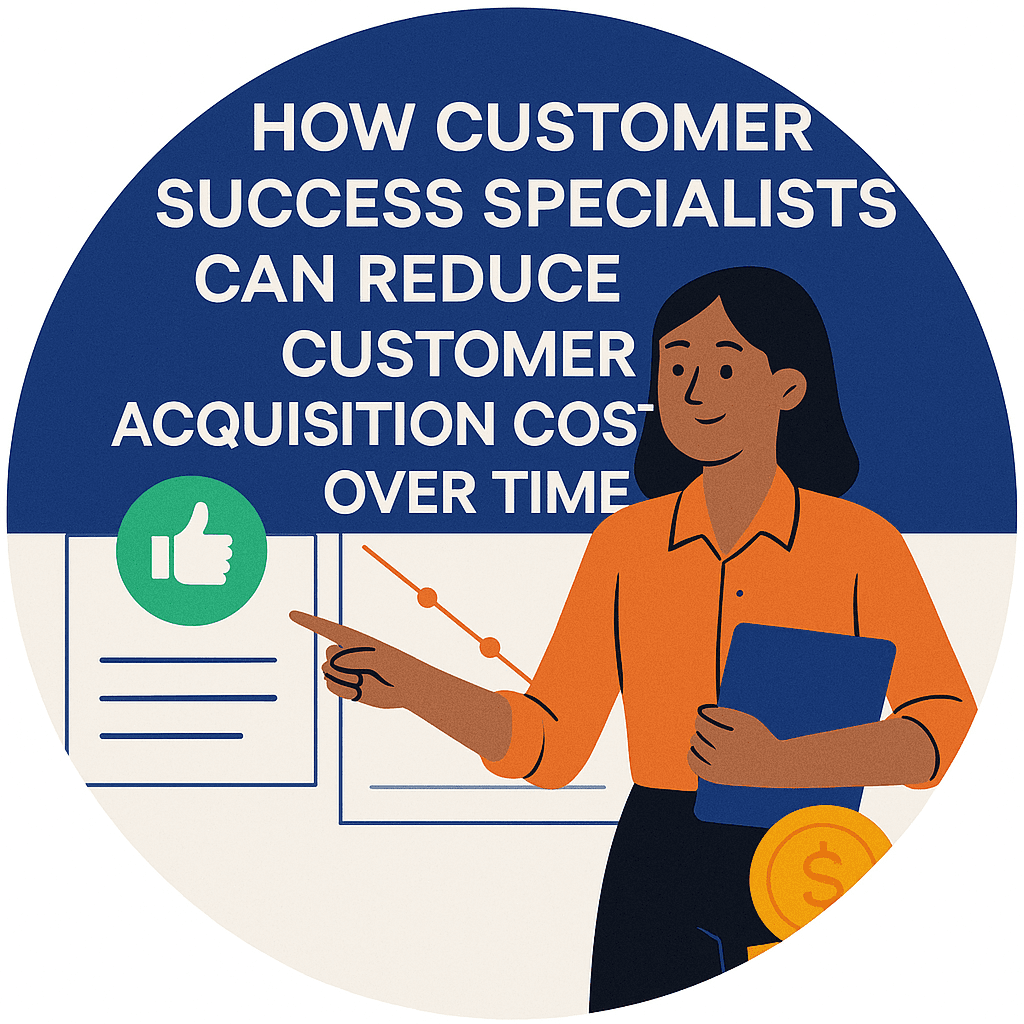
Customer success specialists reduce CAC by creating customer advocates, lowering churn rates, and driving referrals that decrease marketing spend.

Customer success software drives growth by improving onboarding, retention, and advocacy through data-driven insights and personalized experiences.
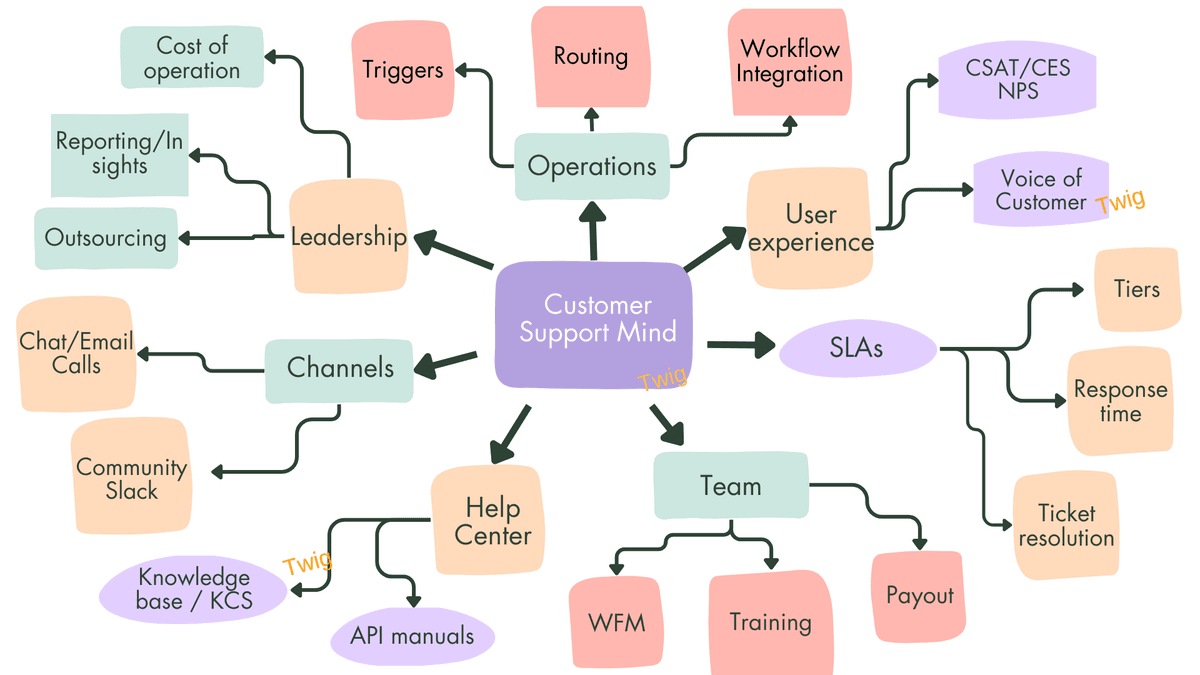
12 customer support KPIs that predict churn before it shows in revenue. Benchmarks, formulas, and what to actually track in 2026.
AI transforms retention through behavior prediction, churn scoring, and proactive engagement—reducing churn rates by up to 20%.
20 customer support metrics defined plainly — CSAT, NPS, FCR, AHT, ticket volume, and more. What each measures and when it lies.
AI improves fintech CSAT scores by 25-35% through faster response times, personalized interactions, and reduced human errors.

AI resolution accuracy (85%+ target), escalation rate (15-25%), CES for hybrid. The 5 customer service AI metrics that actually predict ROI in 2026.
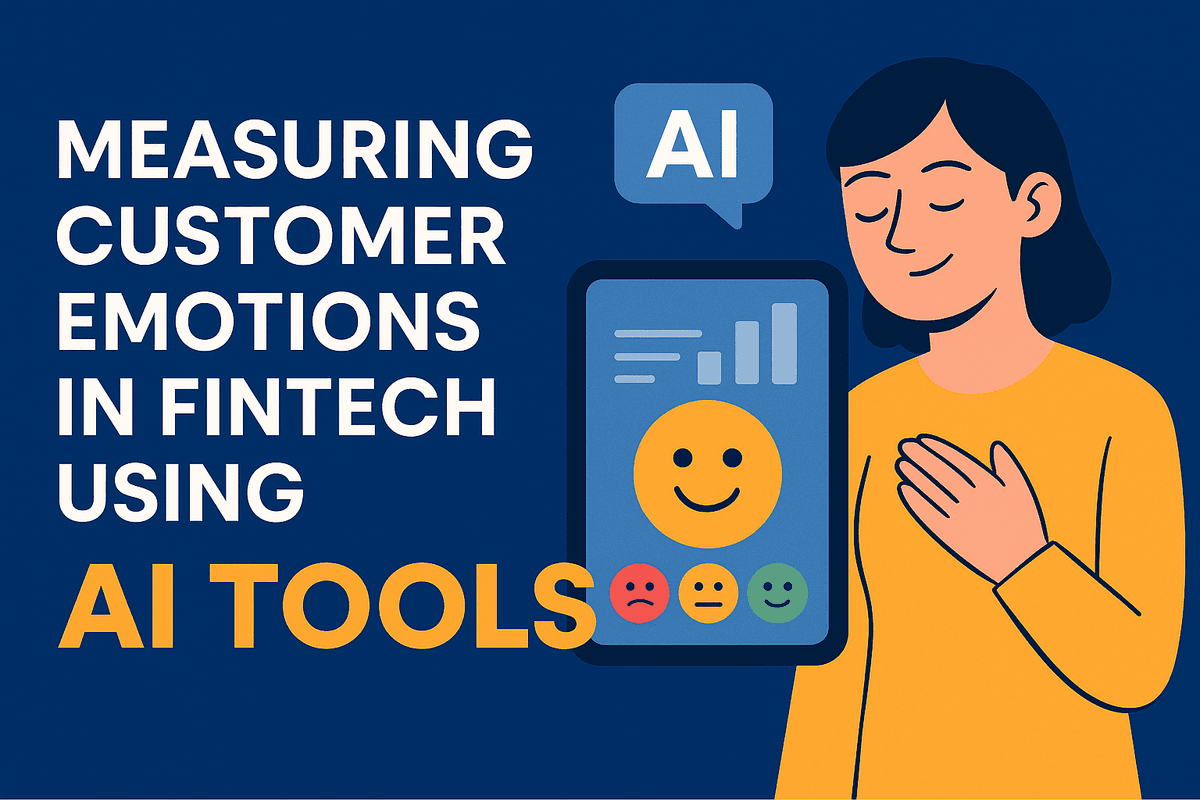
AI tools measure fintech customer emotions through sentiment analysis, voice recognition, and behavioral patterns — improving retention by 35%.

Customer success platforms reduce CAC by improving retention rates 3-5x and generating referrals — lowering overall acquisition costs by 40%.
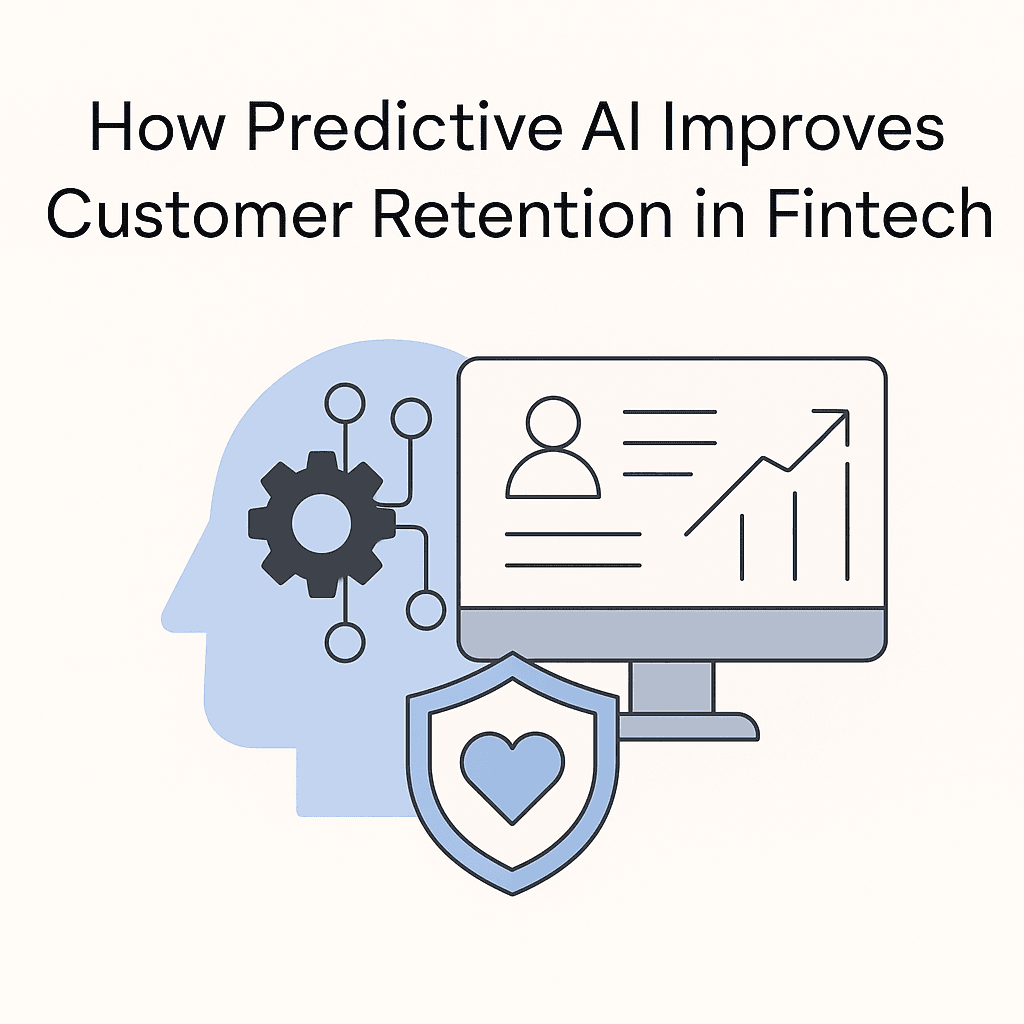
Predictive AI improves fintech retention through churn prediction, personalized interventions, and proactive support — reducing churn by 25-40%.

3 ways AI uses predictive analytics in fintech: market trends, churn detection, behavioral modeling. Real-time data, real ROI.

AI sentiment tracking in fintech uses natural language processing to analyze customer emotions in real-time, improving service recovery by 45%.
AI customer support cuts CAC 40-60% via automated tier-1 resolution and retention lift. Real numbers and how to deploy.
AI in fintech customer care delivers 300-500% ROI within 18 months through reduced operational costs and improved customer retention.
Self-service reduces churn by 30-40% in 2025 through instant problem resolution, proactive support, and improved customer satisfaction.
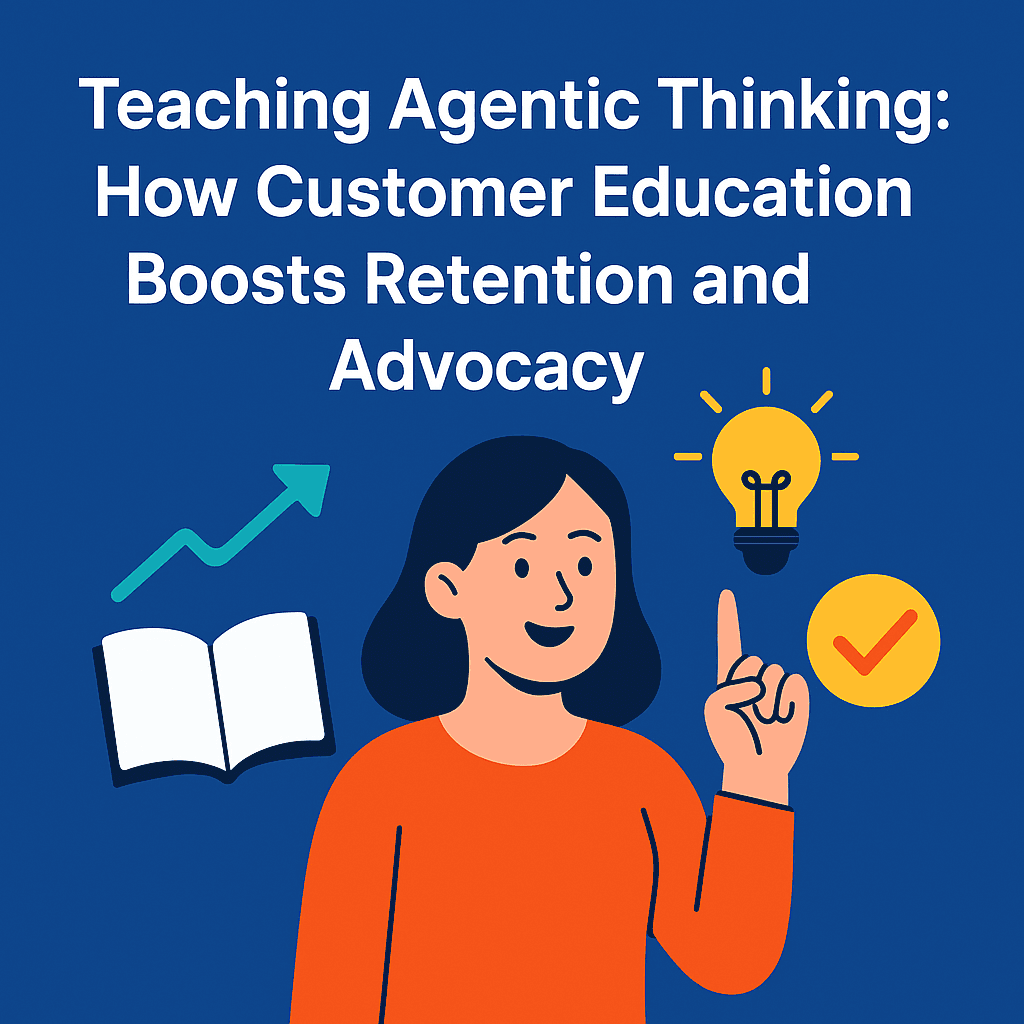
Customer education boosts retention by teaching agentic thinking, empowering informed decisions that increase satisfaction and long-term loyalty.
Optimizing time to value reduces churn by 25-40% through faster onboarding, predictive analytics, and proactive engagement that transforms customers into advocates.
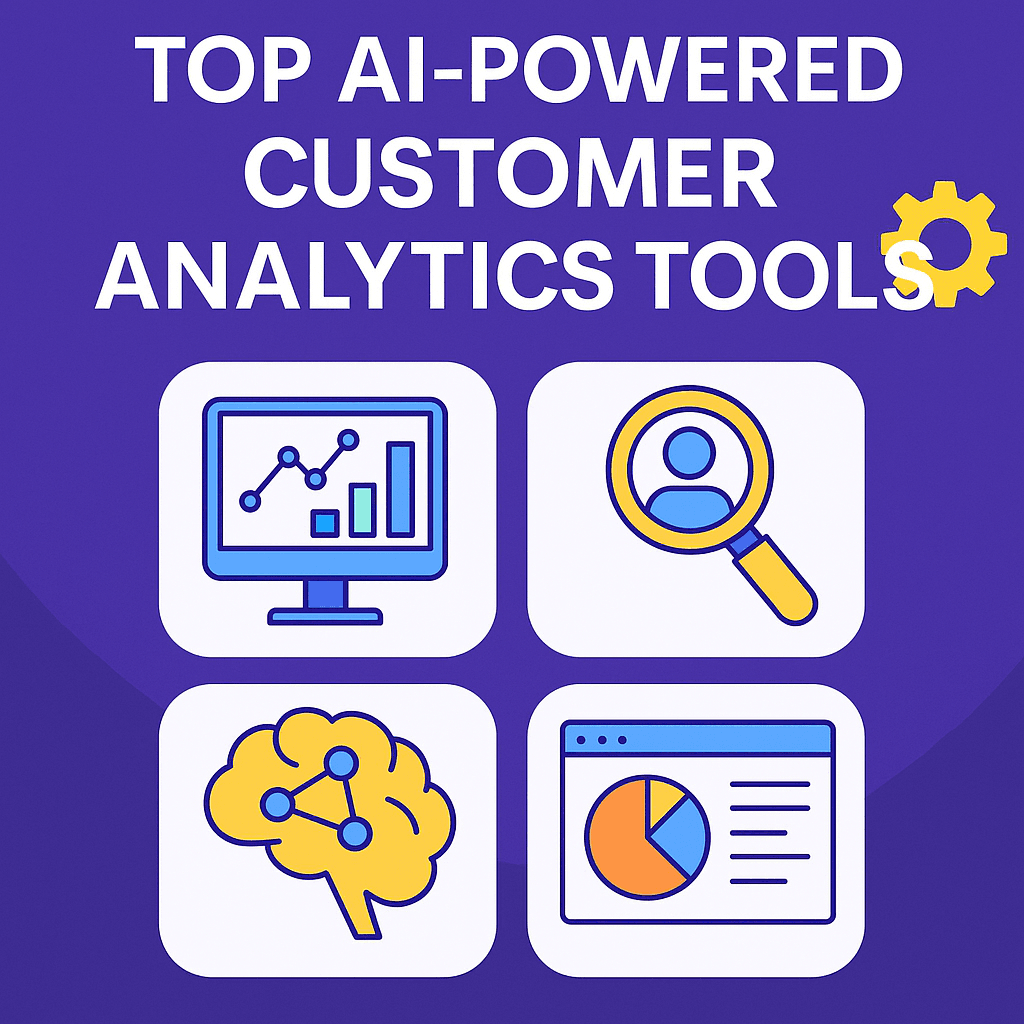
Which AI customer analytics tools actually deliver? Real-time insights, predictive analysis, and the 30-50% CSAT lift — separating real from hype.

Top customer retention AI tools use churn prediction, loyalty scoring, and proactive support to improve retention rates by 20-35% through personalized engagement strategies.
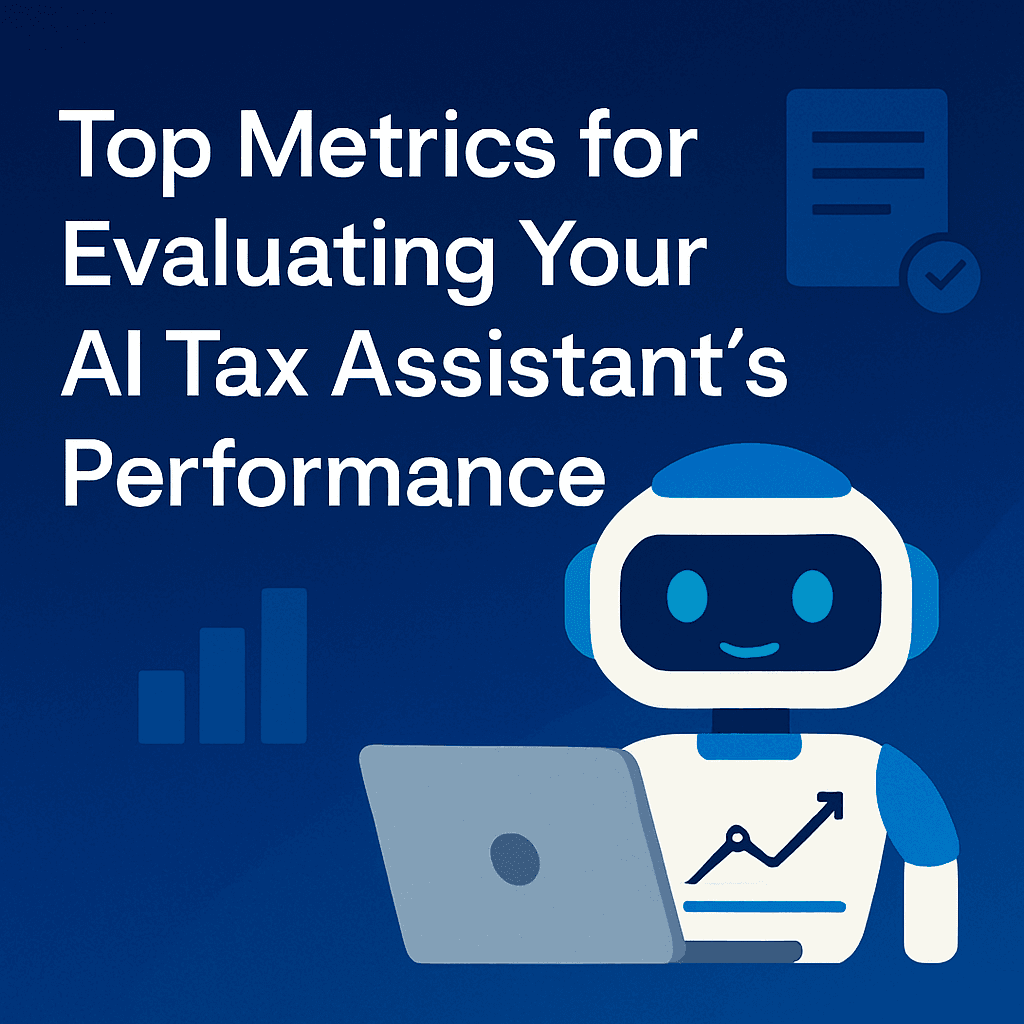
Key metrics include accuracy rates (95%+ target), processing speed, customer satisfaction scores, and cost reduction — typically 30-50% savings.