What Is the Accuracy Rate of AI on Customer Support Queries?
Explore real AI accuracy rates for customer support queries, what benchmarks to expect, how to measure accuracy, and what drives performance differences.
Everything you need to evaluate, deploy, and optimize AI support — organized by where you are in your journey.
The landscape explained simply, what’s changed, and a clear maturity model so you know where you are today
Build vs buy, managed vs self-serve, and the questions that cut through every vendor demo
Quality scoring, hallucination prevention, escalation design, and the metrics that matter
ROI frameworks, pricing breakdowns, and the budget benchmarks your CFO will believe
Implementation timelines, data requirements, and what the first 30 days look like

Explore real AI accuracy rates for customer support queries, what benchmarks to expect, how to measure accuracy, and what drives performance differences.

Learn how AI handles after-hours customer support without overtime or night shift costs, what it can resolve, and how to set it up effectively.

Learn whether AI customer support tools offer annual billing discounts, how much you can save, and when annual commitments make financial sense.

Learn how AI customer support APIs enable custom integrations, embedding AI into your own products, workflows, and proprietary systems.

Learn how encryption protects customer data in AI support tools, including TLS for transit, AES-256 for rest, and key management best practices.

Learn how AI customer support integrates with Shopify to handle order inquiries, returns, tracking, and product questions automatically.

Learn whether AI customer support tools comply with PCI-DSS requirements for handling payment card data, and how to protect cardholder information.

Compare the cost of AI customer support versus hiring a human agent, including salary, benefits, training, and long-term scalability factors.

Explore what to expect from AI customer support product roadmaps in 2026 and beyond, including agentic AI, proactive support, and deeper integrations.

Learn what an effective AI customer support reporting dashboard should display, from real-time metrics to trend analysis, and how to use it for decisions.

Compare AI support pricing models: per ticket, per resolution, and per agent. Discover which structure delivers the best ROI for your support team.

Explore how AI approval workflows let human agents review responses before customers see them, balancing speed with accuracy in customer support.

Learn why audit logs for AI customer support are essential, what they should capture, and how to use them for compliance, quality, and continuous improvement.

Discover the best AI customer support tools for small businesses. Compare features, pricing, and ease of use to find the right fit for your team.

Find the best AI support tools for e-commerce. Compare platforms on order management, returns handling, product recommendations, and integration depth.

Discover the 7 best Decagon alternatives for AI customer support in 2026. Compare features, pricing, and use cases to find the right platform.

Discover the best Decagon alternatives built for B2B SaaS support. Compare Twig, Intercom, Ada, and more for technical tickets and product complexity.

Top Decagon alternatives for e-commerce support in 2026. AI platforms with Shopify integration, order tracking, returns handling, and product Q&A.

Compare Decagon alternatives by implementation speed. See which AI support tools go live fastest — Twig, Tidio, Intercom, Ada, and more ranked by setup.

Compare the best Decagon alternatives with native Zendesk integration. See how Twig, Ada, Tidio, Intercom, and more connect to the Zendesk ecosystem.

The best Decagon alternatives with no-code setup in 2026. AI customer support platforms non-technical teams can deploy without developers or engineering.

Compare Decagon alternatives offering per-ticket and usage-based pricing. See how Twig, Ada, Tidio, and others stack up on transparent AI support costs.

The best Decagon alternatives for SMBs in 2026. Budget-friendly AI support platforms with easy setup, no engineering required, and flexible pricing.

Compare Decagon alternatives with the best AI-to-human handoff. See how Twig, Intercom, Ada, and others handle escalation, context transfer, and agent UX.

Compare Sierra AI alternatives with strong audit trails, SOC 2, GDPR, HIPAA compliance, and transparent logging for regulated customer support teams.

Sierra AI focuses on consumer brands. Here are the best AI customer support alternatives for B2B and SaaS companies, led by Twig, Decagon, and Intercom.

The definitive guide to Sierra AI alternatives for customer support in 2026. Compare Twig, Decagon, Intercom Fin, Ada, Zendesk AI, Freshdesk Freddy, Tidio.

Compare Sierra AI alternatives by implementation speed and time to first results. Find AI support platforms that go live in hours, not months.

Compare the best Sierra AI alternatives with native Salesforce integration. Evaluate Service Cloud compatibility, case management, and workflow triggers.

Compare Sierra AI alternatives focused on knowledge base accuracy, citation, source attribution, and hallucination prevention in customer support AI.

Discover the best Sierra AI alternatives with no-code setup for non-technical support teams. Compare drag-and-drop builders, deployment speed, and ease of use.

Top Sierra AI alternatives for SMBs in 2026. Compare Twig, Tidio, Freshdesk Freddy, Intercom Fin, HelpScout, and Zendesk AI for small business support.

Compare Sierra AI alternatives with published, predictable pricing. Twig, Tidio, Intercom Fin, and more offer transparent models vs custom contracts.

Learn how human agents can intervene and take over AI conversations mid-chat, including monitoring dashboards, takeover triggers, and co-pilot modes.

Discover how AI connects to knowledge bases like Confluence, Notion, and help centers to deliver accurate support responses grounded in your documentation.

Explore how AI detects customer frustration through sentiment analysis, tone detection, and behavioral signals to trigger automatic human handoff.

Learn how AI pulls real-time order and account data from your systems to answer customer questions instantly with accurate, personalized responses.

Explore how AI reads, understands, and responds to helpdesk tickets across platforms like Zendesk, Freshdesk, and Jira Service Management.

Discover how modern AI understands customer intent through semantic analysis, not just keywords, and why intent recognition is critical for support quality.

Learn how AI updates CRM fields, triggers workflows, and automates data entry in Salesforce, HubSpot, and other platforms to streamline support operations.

Should customers always be able to request a human agent? Explore best practices for balancing AI automation with human accessibility in support.

Decagon vs Twig — a detailed comparison of pricing, setup speed, accuracy, integrations, and analytics to help you choose the right AI support platform.

Learn how to delete customer conversation data from AI support tools, your legal obligations under GDPR and CCPA, and what to ask vendors about erasure.

Find out whether you need engineering resources to set up AI customer support, and discover no-code platforms that let support teams launch AI independently.

Learn why data quality matters for AI customer support, what data cleaning actually involves, and how to prepare your knowledge base for the best results.

Learn why SSO matters for AI customer support tools, which protocols to look for (SAML, OIDC), and how SSO strengthens security and compliance.

Explore how AI customer support integrates with Intercom to automate conversations, assist agents, and resolve inquiries across chat and email.

Discover how AI customer support integrates with Salesforce Service Cloud to automate case management, routing, and agent assist within your CRM.

A week-by-week guide to the first 90 days of AI customer support, from setup and launch to optimization, with milestones and realistic expectations.

Discover which AI customer support tools offer free trials, what to expect during trial periods, and how to evaluate tools before committing.

Explore AI customer support deflection rate benchmarks by industry, from SaaS to ecommerce, and learn what factors influence a good deflection rate.

Uncover the hidden fees in AI customer support tools, from setup charges to overage penalties, and learn how to avoid billing surprises.

Discover how accurate AI really is at answering customer questions, what affects response quality, and how to measure and improve AI accuracy rates.

Understand how AI customer support pricing scales with growing ticket volume, including volume discounts, tier upgrades, and cost optimization strategies.

Learn how AI customer support handles sarcasm, slang, and angry messages with sentiment analysis, emotional intelligence, and de-escalation strategies.

Learn how leading companies handle AI customer support mistakes with proven frameworks for detection, response, recovery, and prevention of AI errors.

Learn how AI customer support handles novel questions it has never encountered, including generalization, zero-shot reasoning, and smart escalation strategies.

Discover how AI determines when to escalate customer conversations to human agents using confidence scoring, sentiment analysis, and business rules.

Learn how AI customer support pricing is structured, from per-ticket to per-agent models, and find the best pricing approach for your business needs.

Learn the ideal duration for an AI customer support pilot, what milestones to track, and how to structure evaluation for confident go/no-go decisions.

Realistic timelines for AI customer support cost savings. Learn what to expect in months 1-3, 3-6, and 6-12, plus factors that speed up or delay results.

Learn about Twig's history building AI for customer support, its founding vision, product evolution, and why its experience matters for your team.

Learn realistic timelines for implementing AI customer support tools, from quick-launch platforms to enterprise rollouts, and what affects your go-live date.

Learn how many support agents AI can realistically replace, how to calculate agent savings, and why augmentation often beats full replacement.

Calculate real cost savings from AI customer support with our framework. Learn typical savings ranges, cost-per-ticket impact, and hidden costs to watch for.

A realistic breakdown of the effort your team needs to invest to get AI customer support running, from knowledge prep to launch and ongoing management.

Explore what makes AI-to-human handoff smooth or clunky, key factors that affect transition quality, and how leading platforms handle live agent handoff.

Step-by-step framework to calculate AI customer support ROI. Includes formulas, cost inputs, benefit categories, and a free calculation template.

Learn how to control AI responses in customer support with guardrails, tone policies, topic restrictions, and approval workflows for safe AI deployment.

Practical guide to diagnosing and fixing AI customer support when it starts giving wrong answers, from knowledge base issues to model drift and more.

Build a CFO-ready business case for AI customer support. Includes financial frameworks, risk analysis, and presentation strategies that win budget approval.

Learn how to track whether your AI customer support is improving over time with trend analysis, maturity benchmarks, and optimization frameworks.

Learn how to measure if your AI customer support tool is delivering real results with proven metrics, benchmarks, and evaluation frameworks.

Learn how to accurately measure AI's impact on CSAT scores with segmentation strategies, survey design tips, and proven analysis frameworks.

Learn how to calculate and present AI customer support ROI to executives with frameworks, templates, and communication strategies that resonate.

Discover practical methods to review and monitor AI responses to customers, including QA workflows, sampling strategies, and real-time dashboards.

Learn how to configure AI confidence thresholds in customer support so your AI only responds when it has high certainty, reducing errors and building trust.

Learn proven strategies to prevent AI hallucination in customer support, including RAG, grounding techniques, confidence scoring, and guardrails.

A complete guide to testing AI customer support before launch, including test strategies, quality benchmarks, and common pitfalls to catch before go-live.

Step-by-step guide to training AI customer support on your products, policies, and brand voice so it answers accurately and represents your company well.

Learn how conversation history transfers during AI-to-human handoff, why context preservation matters, and what the best platforms provide to agents.

Learn how to import your existing FAQs, help articles, and documentation into AI customer support tools and get the most value from content you already have.

Learn whether AI customer support tools are GDPR compliant, what to look for in a vendor, and how to protect customer data under EU privacy regulations.

Discover whether AI customer support tools meet HIPAA requirements for healthcare, including PHI handling, BAAs, and security safeguards.

Understand what SOC 2 certification means for AI customer support tools, why it matters, and how to evaluate vendors for trust service criteria compliance.

Find out if AI customer support vendors use your data to train their models, the risks involved, and how to protect your customer conversations.

Discover the KPIs leading companies use to measure AI customer support success, from operational efficiency to customer satisfaction and business ROI.

Find out the typical minimum contract lengths for AI customer support tools, from month-to-month to multi-year agreements, and what to negotiate.

Learn the most common complaints about AI customer support tools including hallucination, poor handoffs, and rigid responses, plus how to avoid them.

Discover no-code AI customer support platforms that let you launch AI without developers, and learn what to look for in a truly no-code solution.

Learn how to keep AI customer support current and prevent outdated responses with knowledge base syncing, content freshness monitoring, and version control.

Analyze what real users say about AI customer support tools on G2. Learn which themes emerge in reviews and how to use peer feedback to choose wisely.

Set realistic expectations for AI ticket deflection rates. Data-backed benchmarks by company size, industry, and maturity level with actionable improvement tips.

Learn how to restrict AI customer support to approved topics, preventing off-topic responses and protecting your brand from liability and misinformation.

Discover the essential safeguards that prevent AI from making embarrassing mistakes in customer support, from content filters to brand voice controls.

Learn how to configure custom AI escalation rules for human handoff, including topic-based triggers, confidence thresholds, and business logic.

Head-to-head comparison of Sierra AI and Twig for AI customer support. Compare pricing, implementation, accuracy, integrations, and target market fit.

Learn why customer references matter when evaluating AI support tools and how to get the most value from reference calls with existing users.

The definitive guide to the top 5 AI customer support tools in 2026. Compare Twig, Decagon, Sierra AI, Intercom Fin, and Ada on features, pricing, and use cases.

Calculate the true year-one cost of AI customer support, including setup, training, integrations, subscriptions, and hidden expenses.

Learn how to measure first response time improvements after deploying AI support, with benchmarks, tracking methods, and optimization strategies.

Understand why purpose-built AI like Twig outperforms ChatGPT for customer support with better accuracy, integrations, and knowledge grounding.

Learn typical AI customer support deflection rates by industry, what drives higher deflection, and how to benchmark your own performance.

Understand vendor liability when AI customer support causes complaints, including contractual protections, regulatory exposure, and risk mitigation.

Learn what happens when AI provides incorrect information before a human agent takes over, how to detect and correct errors, and recovery best practices.

Discover how AI handles customer conversations outside business hours, including after-hours resolution, ticket creation, and smart follow-up.

Understand what happens to your data when you cancel an AI support tool. Learn about data retention, export, deletion policies, and vendor lock-in risks.

Find out what happens when you exceed your AI conversation limit, including overage fees, throttling, and how to plan for volume spikes.

Learn what happens when AI can't answer a customer question, how escalation works, and best practices for seamless handoff to human agents.

Learn what happens when AI cannot answer a customer question, how graceful escalation works, and why smart fallback design is critical for AI support.

Learn what happens when AI makes mistakes in customer support, how to detect errors quickly, and strategies to recover trust and prevent future issues.

Discover the essential metrics to track after launching AI customer support, from deflection rates to CSAT, and how to build an effective reporting cadence.

Discover what percentage of support tickets AI can resolve autonomously, real benchmarks by industry, and how to maximize your AI resolution rate.

Learn where AI customer support tools store your data, including cloud regions, sub-processors, and data residency options to ensure compliance.

Understand who at your AI support vendor can access customer conversations, what controls should be in place, and how to verify data access policies.

Learn who is responsible for maintaining AI customer support after launch, what ongoing tasks are needed, and how to structure your team for long-term success.

Worried AI will give wrong answers to customers? Learn the real risks, how to minimize errors, and what safeguards keep AI customer support accurate.

Find out how AI customer support integrates with your existing tech stack including helpdesks, CRMs, Slack, and knowledge bases without disruption.

Honest analysis of whether AI customer support reduces headcount. Learn what really happens to team size, roles, and structure after AI deployment.
2026 AI support budgets vary by company size and industry, with deflection rates ranging 15-85% based on implementation maturity levels.
AI support maturity follows five stages from basic pilot (10% deflection) to full autonomous resolution (60-70% deflection) with specific metrics benchmarks.
AI support ROI calculation uses cost per ticket, deflection rates, and payback periods — with industry benchmarks showing 12-18 month payback at 2,000+ tickets monthly.
In 2026, buying AI support agents is typically more cost-effective, with per-ticket pricing and mature RAG infrastructure favoring vendor solutions.
Enterprise AI support buyers require SOC 2 compliance, data residency options, PII handling protocols, and comprehensive audit logs before signing.
.png&w=1200&q=75)

Support teams using AI report 20 key benefits including 60% faster response times, 40% cost reduction, and improved ticket deflection rates.

Agentic AI autonomously handles customer tasks with decision-making capabilities, providing 24/7 scalable support that adapts to customer needs.

Agentic behavior empowers customer autonomy and decision-making, boosting engagement by 35% and improving net retention rates significantly.

Customer Success Managers using agentic behavior strategies see 25% higher CLTV and improved GRR through proactive customer engagement.

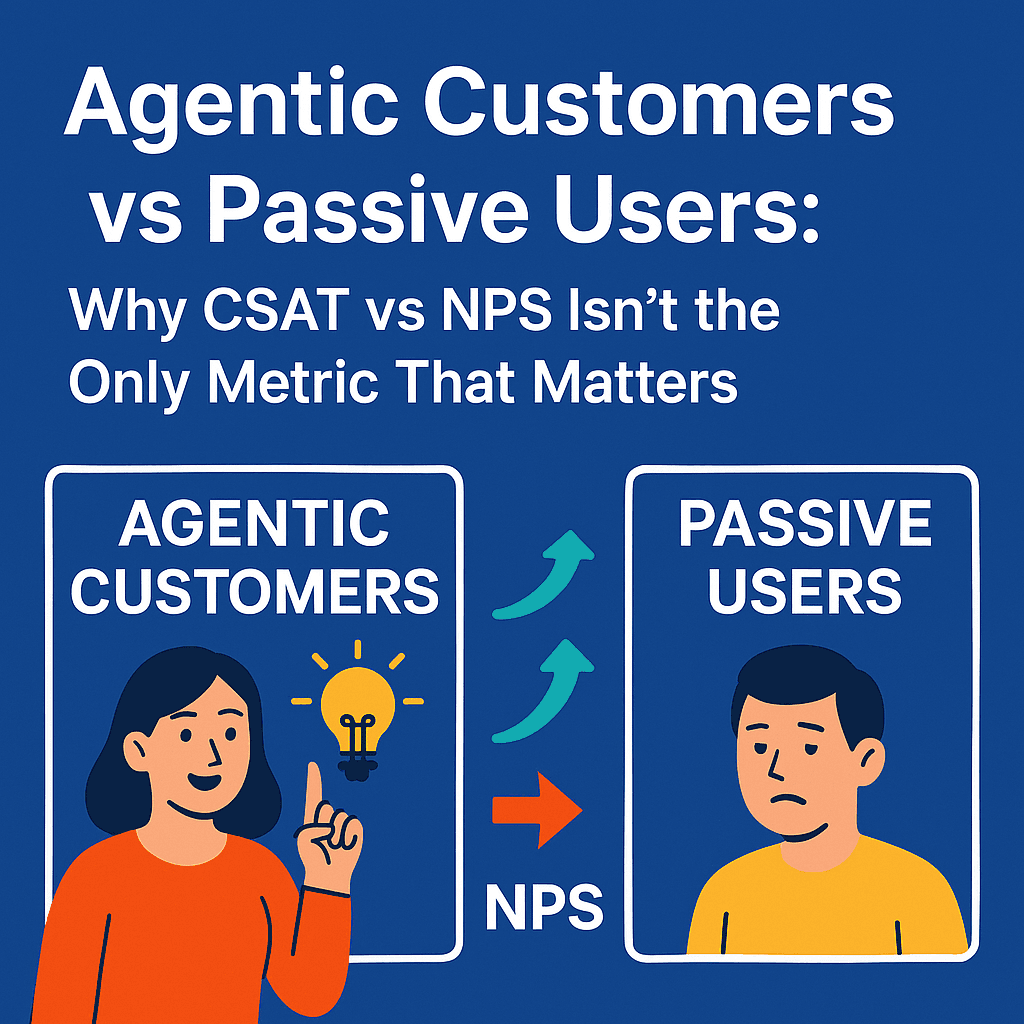
Agentic customers show 40% higher lifetime value than passive users, revealing why CSAT and NPS alone miss key engagement metrics.

Agentic customer empowerment increases product adoption rates by 45% through enhanced user autonomy and proactive engagement strategies.
AI agents in fintech provide 24/7 automated support, reduce costs by 50%, and handle complex financial queries with regulatory compliance.

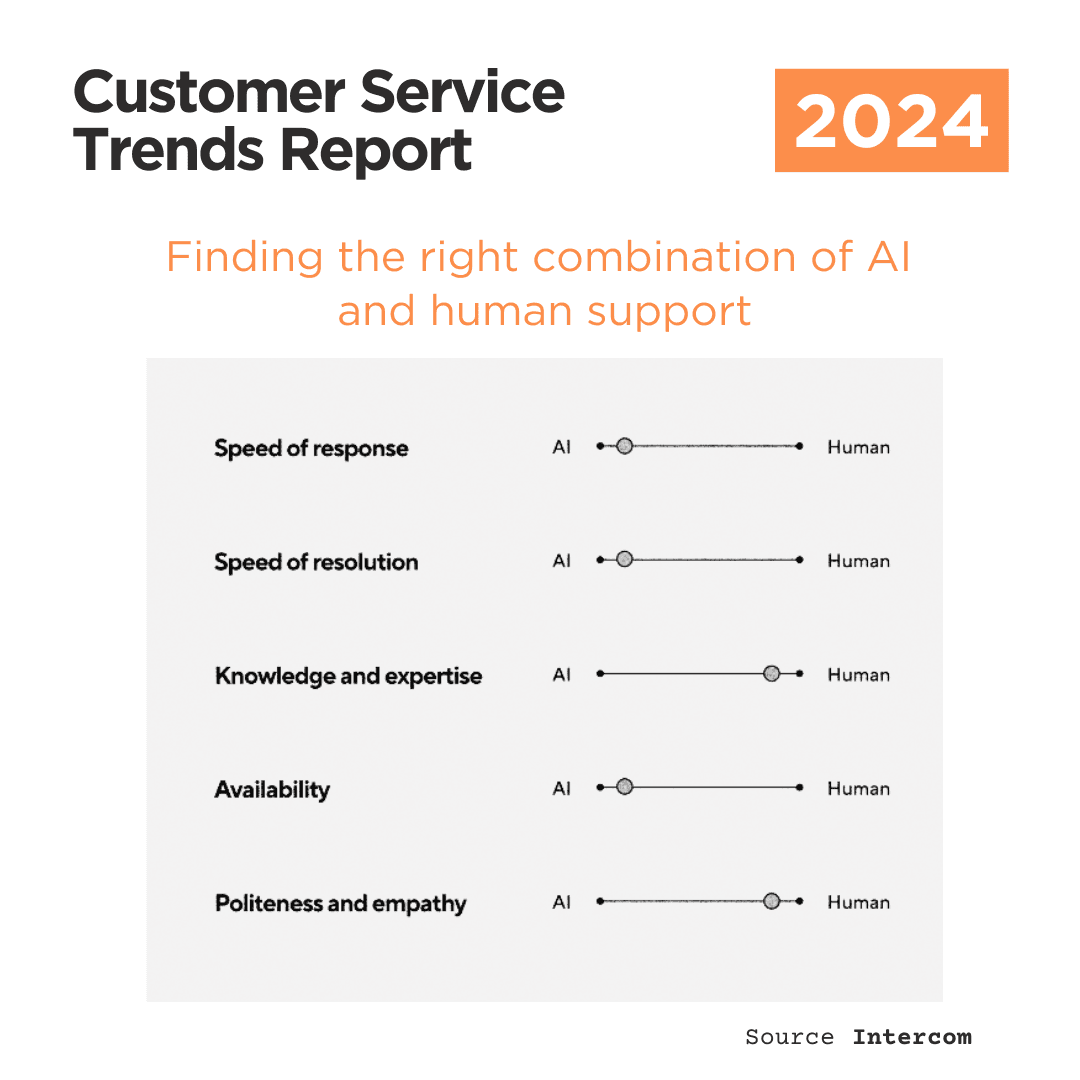
The optimal approach combines AI chatbots for routine queries (60% of tickets) with human support for complex issues requiring empathy.

AI chat bots are reshaping customer service through 24/7 availability, faster response times, and personalized interactions across industries.

AI chat bots in fintech automate compliance tasks, provide 24/7 support, and reduce operational costs while maintaining regulatory standards.

AI chatbot optimization improves conversations through better accuracy, enhanced user intent detection, and smoother conversation flow.

AI chatbot optimization is critical for fintech support because it improves accuracy, ensures compliance, and delivers scalable customer service.

The future of AI chatbot optimization focuses on advanced personalization, enhanced accuracy, and seamless integration with support teams by 2025.

Optimize AI chatbot performance through improved accuracy, effective training, smooth conversation flow, and continuous performance monitoring.

Essential AI chatbot optimization metrics include accuracy rates, user intent detection, task completion rates, and customer satisfaction scores.

AI chatbots scale fintech customer service through 24/7 availability, personalized interactions, and reduced customer acquisition costs.

AI handles escalations through confidence scoring, sentiment detection, and context-preserving handoffs—reducing repeat contacts by 30%.

AI personal assistants enhance fintech lifecycle management through automation, personalization, and predictive analytics—improving response times by 60%.

Virtual assistants and small language models are revolutionizing support through automated interactions and personalized responses—cutting costs by 40%.

Enterprise AI customer service evolved from basic assistants to fully automated systems managing complex needs at scale—improving efficiency by 50%.

AI transforms fintech customer service through self-service solutions, personal assistants, and 24/7 automation—meeting rising customer expectations.

AI chatbot customer service prevents frustration through predictive analysis, personalized engagement, and proactive communication—boosting satisfaction by 35%.

AI reasoning and neural search power instant resolutions in 2025 by transforming traditional support into proactive, intelligent frameworks—revolutionizing efficiency.

The best AI customer support tools in 2025 include AI chatbots, automated ticketing, and AI-powered helpdesks—boosting efficiency while reducing costs by 40%.

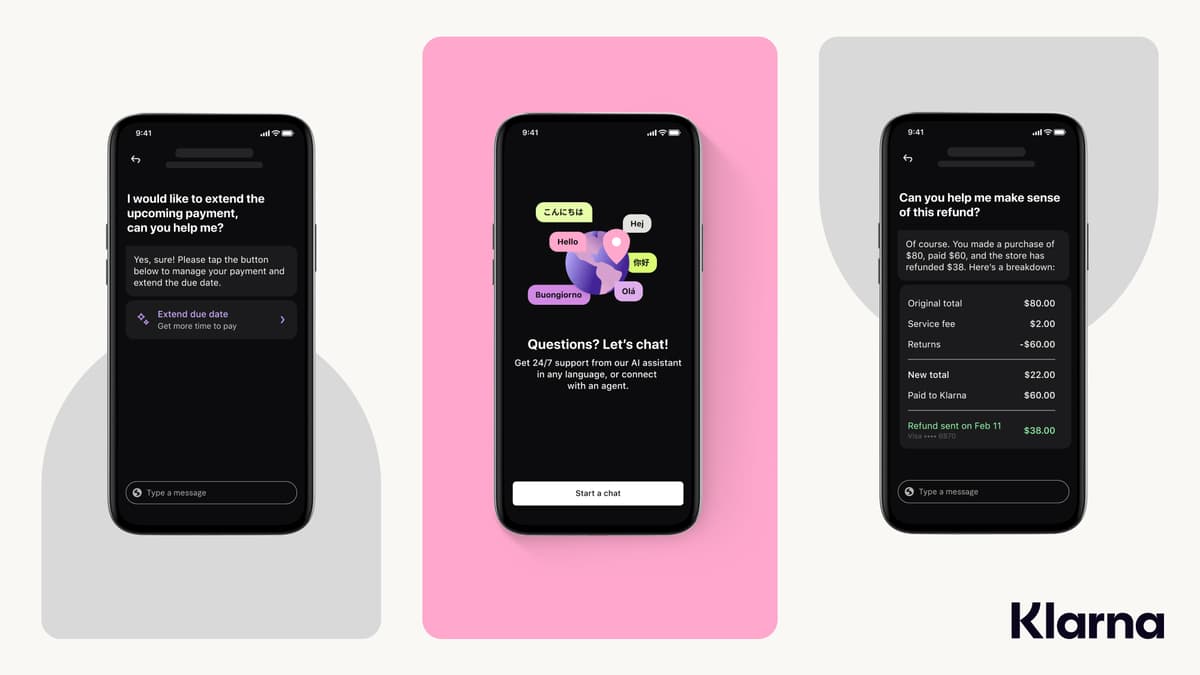
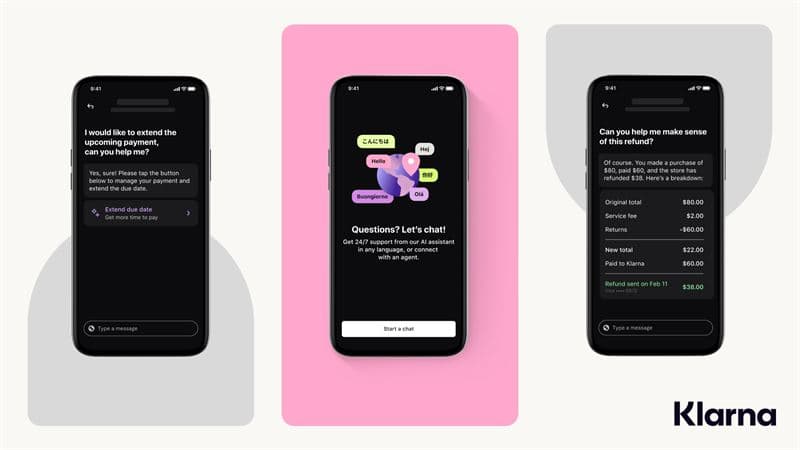
Klarna automated 66% of customer service inquiries using AI, saving millions in costs while improving efficiency and customer satisfaction.

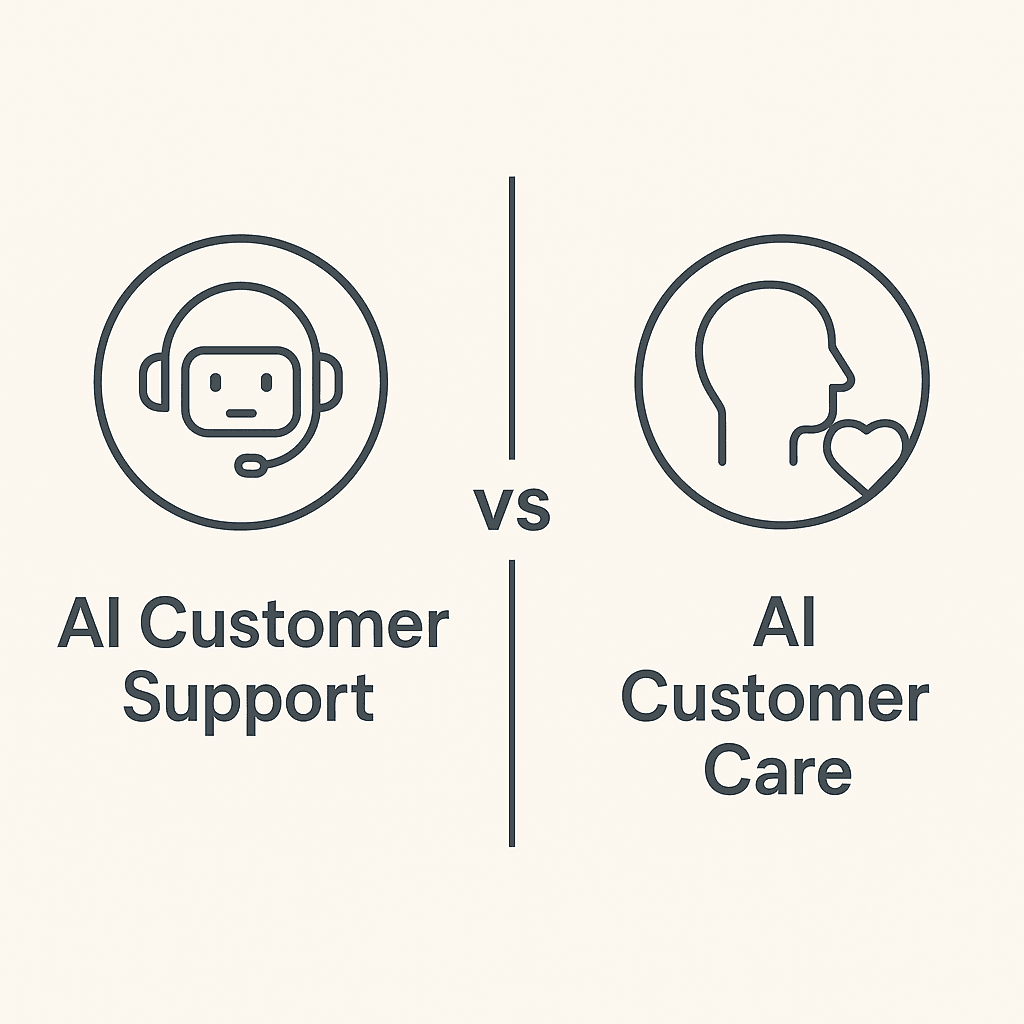
AI customer support focuses on resolving specific issues efficiently, while AI customer care emphasizes building relationships and proactive engagement.

AI-driven customer data platforms help fintech companies unify customer data, enhance personalization, ensure compliance, and combat fraud at scale.

AI enhances fintech contact centers through automation, predictive analytics, and personalization, improving efficiency while meeting rising customer expectations.

AI escalation handling reduces support costs by 30-50% through automated ticket routing, priority management, and optimized resource allocation.

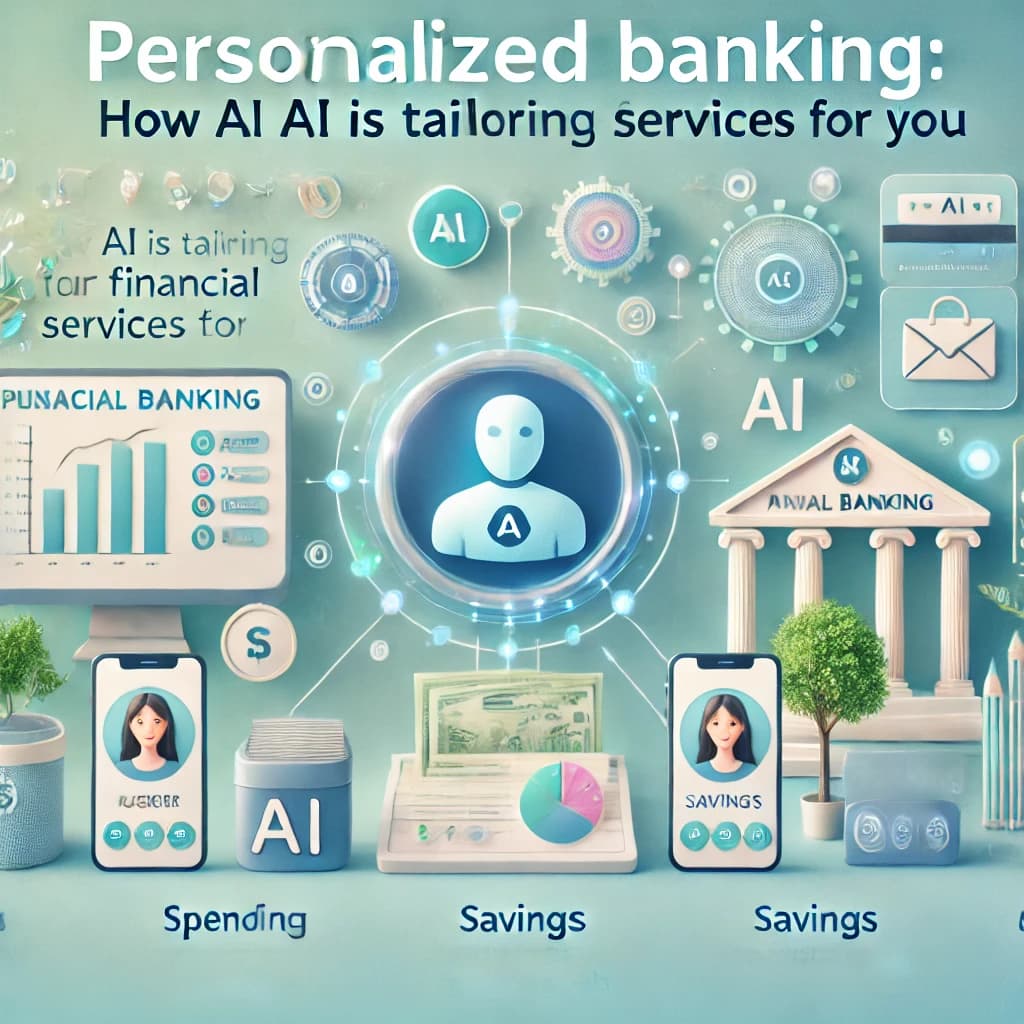
AI personalizes banking through real-time data analysis, tailored product recommendations, and proactive financial advice, driving customer retention.

AI handles fintech fraud claims through automated detection, streamlined claim processing, and proactive risk management, improving response times by 60%.

AI enables omnichannel fintech support through chatbots that maintain context across channels while meeting compliance requirements.

AI support improves SaaS retention by streamlining onboarding, providing personalized interactions, and reducing customer churn proactively.

AI revolutionizes fintech fraud detection through real-time behavioral analysis, reducing false positives while catching sophisticated threats.

AI transforms fintech self-service through agentic systems that make autonomous decisions, enhancing efficiency and personalization.

Balance AI and human support by using AI for efficiency and data-driven tasks while preserving human empathy for complex problems.

AI personal assistants boost fintech client loyalty through personalized services, enhanced support, and tailored product recommendations.

AI transforms fintech onboarding by automating processes, reducing acquisition costs, and improving user satisfaction through personalization.

AI improves e-commerce support through 24/7 availability, personalized shopping assistance, and automated operations — reducing costs by up to 40%.

AI-powered knowledge bases improve self-service by automating content creation, smart categorization, and dynamic FAQ updates for faster resolution.

AI enables multilingual fintech support through automated translation, cultural localization, and compliance-aware responses across global markets.

AI assistants transform CSM workflows by automating routine tasks, providing real-time customer insights, and enabling proactive engagement strategies.

AI assistants are transforming CCO roles by providing strategic customer insights, automating engagement processes, and enabling data-driven decisions.

AI assistants improve client retention through personalized interactions, proactive issue detection, and data-driven engagement strategies that boost loyalty.

AI assistants power customer marketing through behavioral insights, predictive analytics, and dynamic content delivery that drives engagement and loyalty.

AI copilots differ from assistants by providing collaborative decision support, contextual recommendations, and advanced automation for complex workflows.

AI personalizes fintech support through behavioral data analysis and ML-driven recommendations, reducing acquisition costs by up to 25%.

AI customer analytics enable real-time behavior analysis and predictive modeling, giving businesses a critical competitive edge in digital markets.

AI analytics boost loyalty through personalized experiences and predictive insights, improving satisfaction and fostering long-term relationships.

AI customer analytics workflows are evolving toward real-time decision-making and automated insights, revolutionizing business operations.

Effective AI analytics strategies focus on data quality, tool selection, and behavioral insights to drive customer understanding and growth.

Top AI customer service tools including AIOps, chatbots, and virtual assistants improve efficiency, response times, and satisfaction metrics significantly.

AI transforms e-commerce support through faster responses, personalized interactions, and automated query handling, boosting satisfaction rates.

AI customer support evolved from basic helpdesks to sophisticated agent assist systems, improving efficiency while reducing operational costs.

AI-powered CX analytics in fintech uses predictive modeling and behavioral analysis to enhance service delivery and reduce churn by up to 25%.

Klarna uses AI to automate 80% of dispute resolution through predictive analytics, automated decision-making, and personalized payment solutions.

AI optimizes knowledge bases through automated content updates, semantic search, and gap analysis — improving search accuracy by 40-60%.

Top 2025 AI knowledge base strategies include dynamic content generation, predictive search, and multi-modal interfaces — boosting efficiency by 50%.

AI-powered tools replace manual systems because they automate updates, improve search by 3x, and provide real-time personalization.

AI knowledge bases accelerate resolution by 65% through instant accurate answers, contextual recommendations, and seamless agent handoffs.

AI service workflows boost CX efficiency by 45% through task automation, intelligent routing, and predictive issue resolution.

AI workflows will enable hyper-personalized service, predictive support, and autonomous problem-solving — transforming 90% of interactions by 2026.

AI redefines fintech customer care through automated inquiries, personalized experiences, and reduced acquisition costs while boosting retention rates.

AI reduces fintech wait times through 24/7 automated support, predictive customer needs analysis, and self-service options that boost satisfaction.

AI and RPA integration creates powerful fintech support through instant chatbot assistance and optimized backend processes for seamless operations.

AI sentiment analysis provides fintech companies deeper customer insights, enabling personalized experiences and swift responses to customer needs.

2025 AI service workflow optimization uses advanced automation, task sequencing, and workflow builders to enhance support efficiency and satisfaction.

Fast-growth SaaS companies use AI service workflows to automate interactions, reduce costs, and maintain service quality while scaling rapidly.

AI optimizes support escalation through automated ticket prioritization, real-time analysis, and intelligent routing to improve efficiency and satisfaction.

AI automates 70% of support load for fintech startups through intelligent ticket resolution, enabling enterprise-grade CX without scaling headcount.

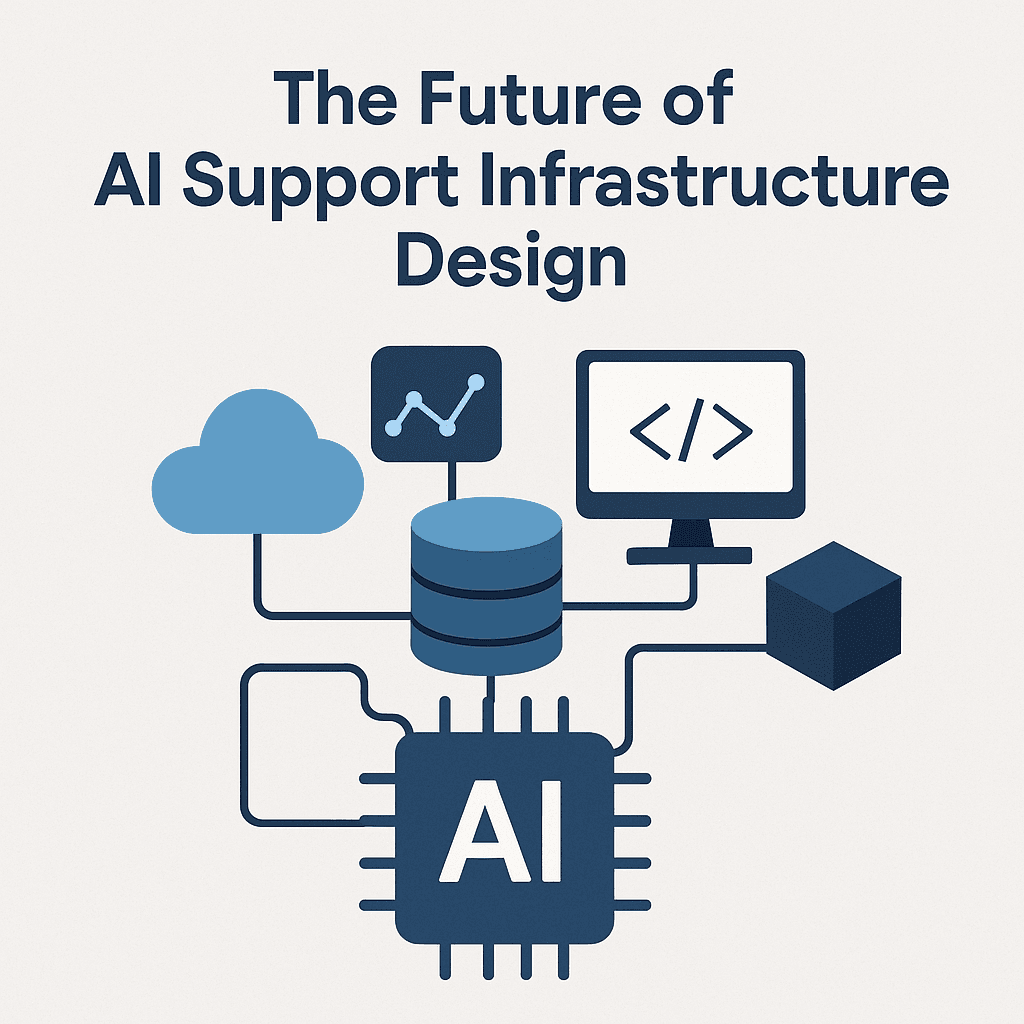
AI support infrastructure scales customer service through automated workflows, machine learning algorithms, and intelligent routing — reducing operational costs while improving response times.

AI tax assistants enhance taxpayer self-service through automated guidance, personalized interactions, and escalation management — reducing support workload by 40-60%.

AI tax assistants improve customer sentiment by 25-40% and reduce escalations through instant responses, accuracy improvements, and personalized tax guidance.

AI tax assistants reduce acquisition costs by automating complex processes, improving satisfaction metrics, and enabling strategic resource allocation.

Smart support teams use AI ticket automation to enhance efficiency, reduce costs, and improve customer satisfaction through intelligent routing and prioritization.
![The Ultimate Collection of AI Tools & Platforms to Power Support, Search, and Automation [2025 Edition]](/_next/image?url=%2Fimages%2Fcdn%2F685be200b5f23ae8533cf553_AI_tools_2034_a6f14cb052.png&w=1200&q=75)
The top 2025 AI tools cover customer support, semantic search, chatbots, and MLOps — designed to help teams scale faster with AI automation.

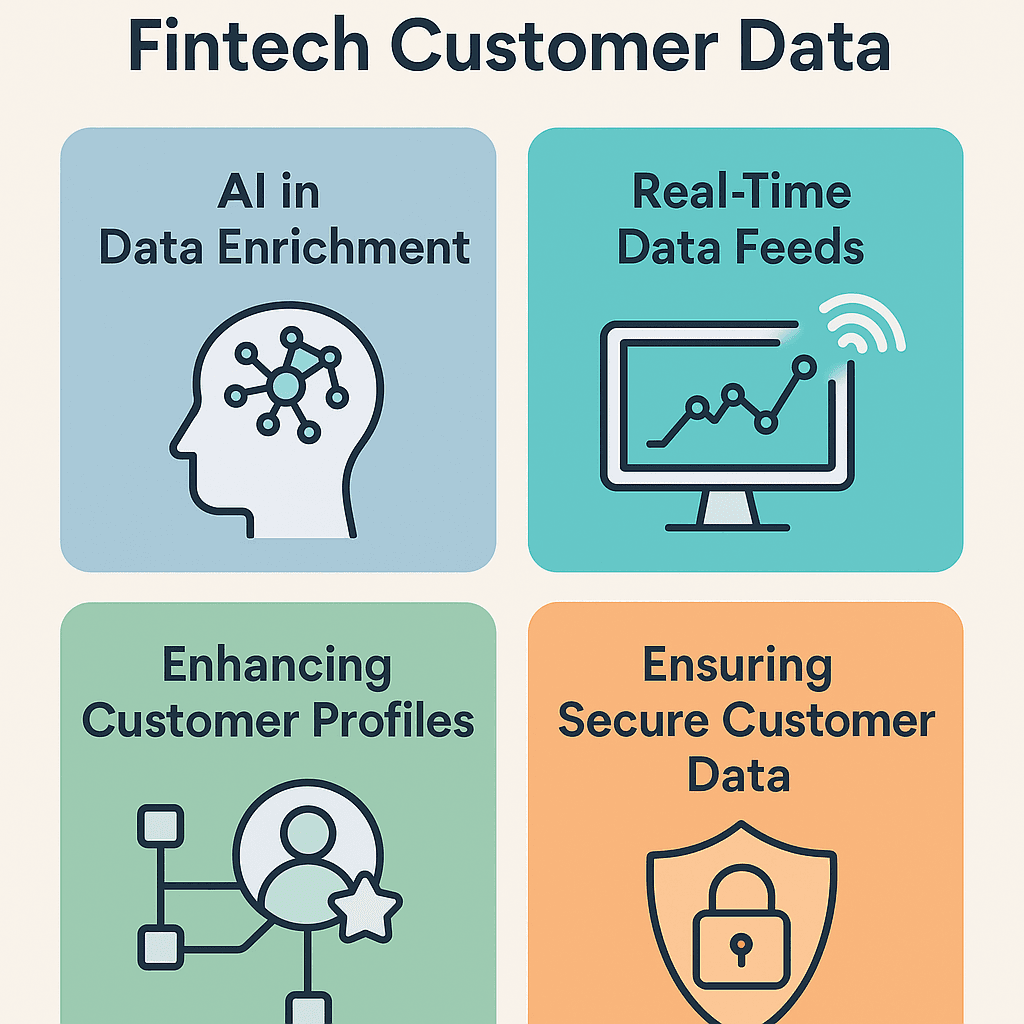
Top AI use cases in fintech include data enrichment, real-time decision-making, and personalized experiences while ensuring compliance and security.

Build AI chat bot workflows by integrating support automation, personalization engines, and data analytics to enhance customer experiences and efficiency.

AIOps platforms improve fintech customer service by automating tasks, predicting customer needs, and providing personalized experiences at scale.

Choose AiSera for enterprise AI automation and scalability, or HelpScout for affordable, user-friendly email-based support for SMBs.

AiSera excels in ITSM automation and ticket deflection, while HubSpot offers comprehensive CRM integration and omnichannel support capabilities.

AiSera offers enterprise-grade ITSM automation with deep CRM integrations, while Pylon provides universalbot technology ideal for mid-sized businesses.

AiSera specializes in ITSM automation and ticket triaging, while Salesforce provides comprehensive CRM-powered customer engagement and omnichannel support.

AiSera specializes in AI automation and enterprise security, while Zendesk excels in omnichannel support and CRM integrations for customer service.

Automated support tickets reduce resolution time by 40-60% through AI routing, intelligent prioritization, and automated tagging systems.

Fintech companies automate support through AI chatbots, self-service tools, and workflow automation, reducing costs by 30-50% while improving satisfaction.

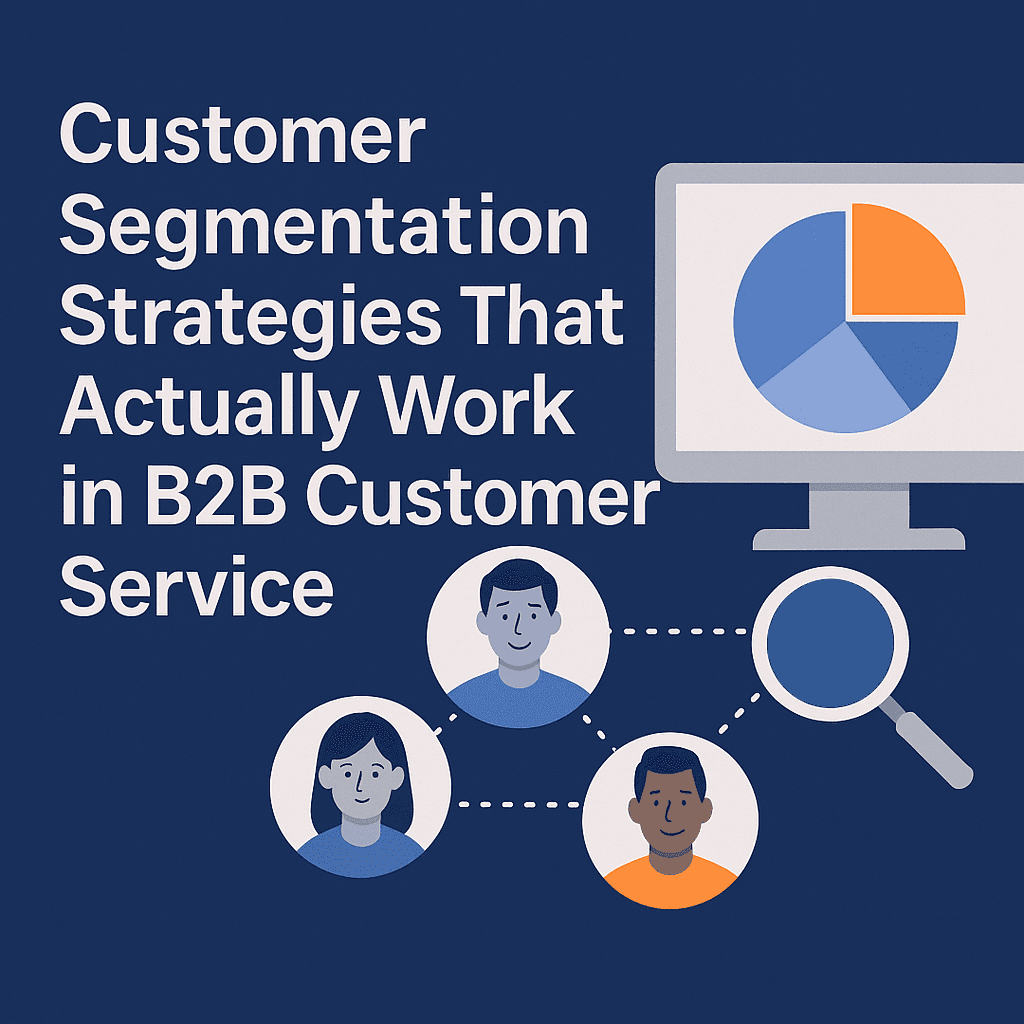
Effective B2B segmentation uses firmographic, behavioral, needs-based, and customer value strategies to increase satisfaction by 25-40%.

B2B customer service fails due to poor feedback loops and lacks customer success focus, but implementing structured feedback systems can improve retention by 20-35%.

SaaS companies convert feedback into revenue through automated feedback loops, proactive product development, and data-driven upselling strategies.

Customer Success Managers focus on proactive relationship management and retention, delivering 20-30% higher customer lifetime value than reactive support.

Leading B2B customer success platforms include Gainsight, ChurnZero, and Totango, each offering unique automation and analytics capabilities.

Banks invest in voice AI to reduce call center costs by 40-60% while improving customer satisfaction through 24/7 personalized financial support.

Modern ecommerce platforms like Webflow enable no-code website creation, reducing development time by 70% and eliminating technical barriers.

AI builds trust in financial services through enhanced security protocols, 24/7 availability, and personalized interactions that improve satisfaction by 30%.

Transition by implementing AI-powered self-service tools, knowledge bases, and automated workflows while maintaining human support for complex issues.

Chatbots use predefined scripts for simple tasks, while conversational AI uses NLP and machine learning for dynamic, context-aware interactions.

Chatbots evolved from rule-based systems to AI-powered agents with NLP, machine learning, and multimodal capabilities, improving accuracy by 300%.

Choose B2B customer success software based on customer segmentation, analytics capabilities, automation features, and integration with existing tools.

Churn prediction models help optimize Customer Acquisition Cost by identifying at-risk customers early, reducing acquisition waste by 20-30%.

Customer success software delivers 15-25% churn reduction and 20-30% revenue growth through health scoring, automation, and predictive analytics.

Balance compliance and customer experience through automated content filtering, real-time monitoring, and clear escalation paths for sensitive tax queries.

Conversational AI in fintech and insurance provides 24/7 support, reduces response times by 80%, and handles 60-70% of customer inquiries automatically.

Conversational AI transforms insurance claims through 24/7 automated processing, error reduction, and personalized interactions that boost customer satisfaction.

Key 2025 fintech AI trends include omnichannel support, real-time fraud detection, and hyper-personalized customer experiences driving competitive advantage.

Conversational AI excels at structured, real-time interactions while Generative AI offers deeper personalization and complex problem-solving capabilities.

Copilot AI enhances AIOps platforms through real-time agent assistance, predictive maintenance, and automated workflows that improve service efficiency.

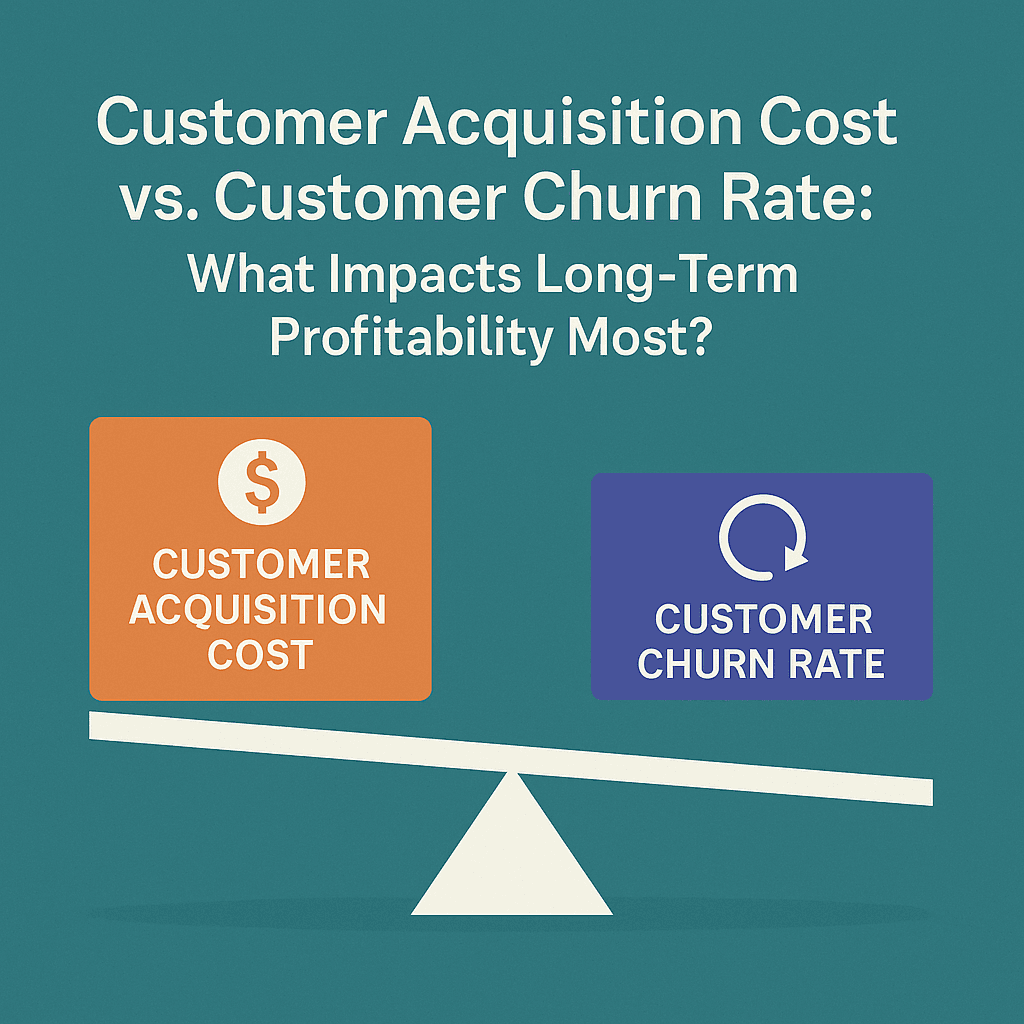
Customer churn rate impacts long-term profitability more than CAC, as retaining customers costs 5-25x less than acquiring new ones.

Customer retention AI is essential in 2025 due to rising acquisition costs and the need for predictive churn prevention and personalized engagement at scale.

Customer retention AI reduces churn through predictive analytics, personalized engagement triggers, and proactive intervention strategies that identify at-risk customers.

Effective retention AI workflows combine churn prediction, loyalty scoring, and automated engagement triggers to proactively retain at-risk customers.

Customer service automation uses AI, chatbots, and self-service tools to handle inquiries automatically, reducing response times by 80%.

AI personal assistants in fintech enable 24/7 support, faster response times, and personalized experiences that help businesses scale efficiently.

Customer success specialists reduce CAC by creating customer advocates, lowering churn rates, and driving referrals that decrease marketing spend.

Customer success software drives growth by improving onboarding, retention, and advocacy through data-driven insights and personalized experiences.

Essential support KPIs include response time, resolution rate, CSAT, agent efficiency metrics, and cost per ticket for comprehensive performance tracking.

AI can extract knowledge from unstructured data and improve over time, making poor documentation less of a barrier than commonly believed.

Virtual assistants in fintech provide faster, personalized interactions, reduce operational costs, and handle complex financial queries 24/7.

Fintech firms use AI for customer data analysis to enable real-time personalization, automate compliance monitoring, and detect fraud patterns.

Fintech customer data fuels AI through transaction history, behavioral patterns, and risk profiles to deliver personalized financial services.

AI enhances fintech data protection through machine learning threat detection, automated compliance monitoring, and privacy-enhancing technologies.

AI will transform ticket workflows through intelligent routing, auto-prioritization, and smart replies, reducing resolution times by 60-80%.

AI will revolutionize ecommerce support through personalized chatbots, predictive assistance, and automated order management reducing response times by 70%.

AI escalation workflows use NLP and sentiment analysis to automatically route complex issues, reducing escalation time by 50% while preserving context.

AI transforms retention through behavior prediction, churn scoring, and proactive engagement—reducing churn rates by up to 20%.

AI in financial services automates routine inquiries, enables 24/7 support, and reduces operational costs by 30-40% while maintaining compliance.

AI knowledge bases use NLP and machine learning to provide intelligent search, auto-generate content, and reduce support tickets by 25-35%.

Scalable AI support infrastructure requires cloud-native architecture, microservices design, and auto-scaling capabilities to handle demand spikes.

AI delivers empathy through sentiment analysis, personalized responses, and emotional intelligence—improving satisfaction scores by 25-30%.

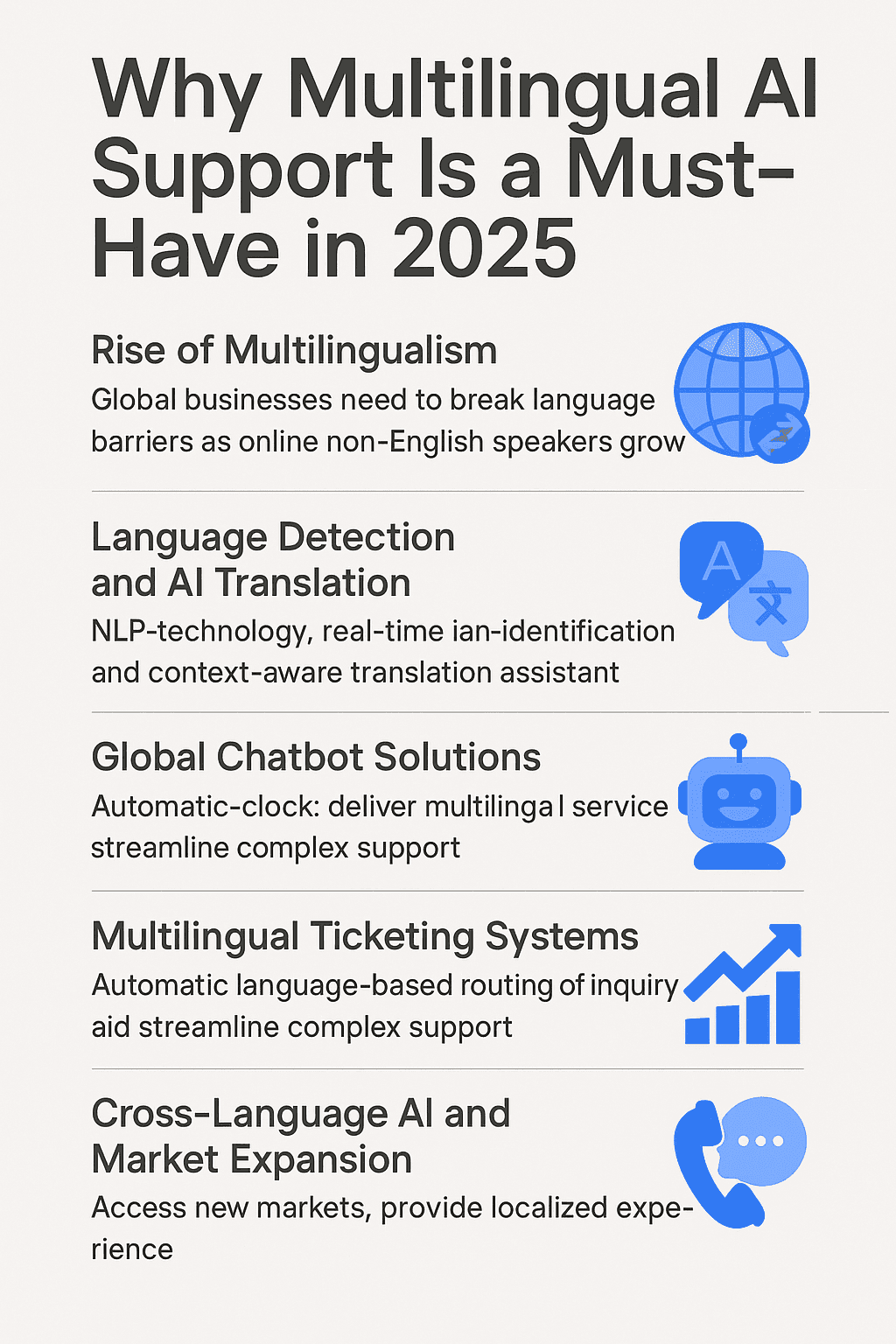
Multilingual AI provides real-time translation, culturally-aware responses, and 24/7 support in 50+ languages—reducing response times by 70%.

Voice AI in fintech enables natural conversation banking, reduces call handling time by 50%, and provides secure voice authentication for transactions.

Generative AI in fintech creates personalized responses, automates complex explanations, and generates financial advice—improving resolution rates by 60%.

Generative AI powers conversational agents, automated responses, and intelligent routing — improving first-contact resolution by up to 35%.

Essential support metrics include CSAT, NPS, first-contact resolution, average handle time, and ticket volume — with AI tools improving tracking accuracy by 45%.

Scalable AI infrastructure requires modular architecture, robust data management, and observability — reducing deployment time by 60% with proper planning.
HelpDesk excels in ticket management and routing, while AISera offers stronger automation and conversational AI — enterprise choice depends on use case priority.

HelpDesk offers enterprise-grade AI routing and compliance, while HelpScout provides user-friendly design and knowledge management — choice depends on team size.

HelpDesk specializes in AI ticket management and IT automation, while HubSpot offers unified CRM integration — choice depends on service vs sales focus.

HelpDesk offers proven enterprise scalability and AI automation, while Pylon provides modern architecture and personalization — ROI varies by use case.

HelpDesk specializes in AI ticket management and ITSM workflows, while Salesforce offers comprehensive CRM integration — choice depends on service complexity.

HelpDesk excels in customization and AI ticket triaging while Zendesk offers superior omnichannel experience and enterprise AI chatbots.

HubSpot offers more advanced AI automation and CRM integration while HelpScout provides simpler AI chatbots ideal for small businesses.

Salesforce Service Cloud offers enterprise-grade AI automation and deep CRM integration while HelpScout excels in simplicity for SMBs.

Zendesk offers more advanced AI automation and workflow capabilities while HelpScout provides budget-friendly email support for SMBs.

AI accelerates support automation through chatbots, machine learning, and sentiment analysis, reducing costs while improving satisfaction.

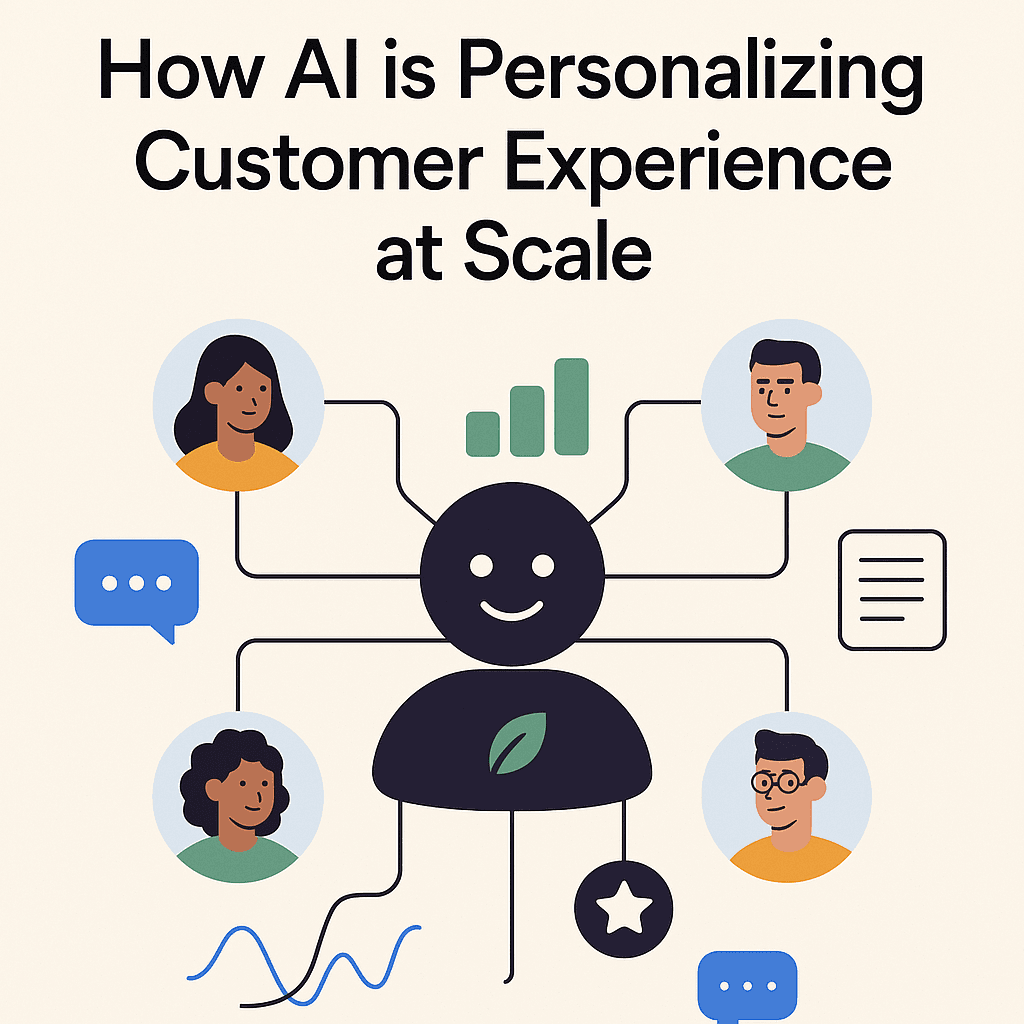
AI personalizes customer experience at scale through real-time conversation analysis, behavioral data, and automated response customization.

AI transforms fintech customer service through 24/7 chatbots, reducing call volumes while enabling human agents to handle complex inquiries.

AI Q&A systems provide answers to queries, while AI agents autonomously execute tasks and integrate workflows—agents handle 3x more complex interactions.

Build reliable AI support through quality training data, robust integration, and continuous monitoring—achieving 75%+ ticket deflection rates.

Klarna's AI assistant reduced resolution time from 11 minutes to under 2 minutes while handling two-thirds of all customer chats.

Effective SaaS knowledge base articles use clear structure, scannable format, and actionable content—reducing support tickets by 40-60%.

AI creates personalized fintech journeys through data analysis, behavioral tracking, and predictive modeling—boosting customer loyalty by 25-40%.

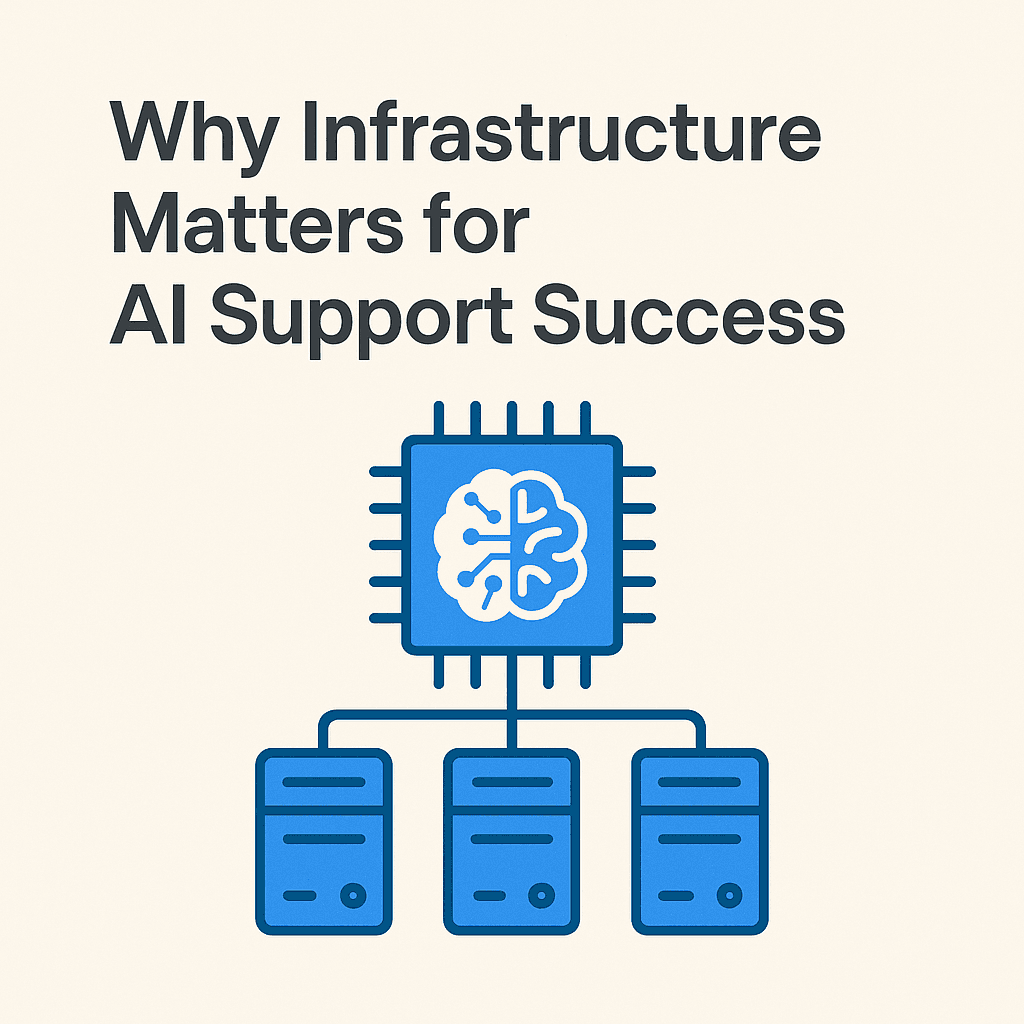
Robust infrastructure ensures AI support scalability, reliability, and performance—preventing 99% of system failures and supporting growth.

Klarna's smart payment options reduce cart abandonment by 35% and increase conversion rates through flexible Buy Now, Pay Later solutions.

AI improves fintech CSAT scores by 25-35% through faster response times, personalized interactions, and reduced human errors.

Intercom excels at hybrid AI-human support while Ada focuses on fully autonomous AI conversations — choice depends on automation goals.

AISera typically delivers higher automation ROI through IT-focused workflows, while Intercom provides better customer experience metrics.

Forethought specializes in AI-powered ticket deflection and agent assistance, while Intercom offers broader conversational AI capabilities.

Gorgias is purpose-built for eCommerce with order management integration, while Intercom provides general AI automation across industries.

Intercom delivers higher automation impact through advanced AI, while Help Scout provides better team collaboration and customer relationships.

Intercom typically delivers higher ROI through advanced AI automation, while HelpDesk offers lower costs but limited automation capabilities.

HubSpot integrates support with sales and marketing data, while Intercom specializes in advanced conversational AI and customer messaging.

Intercom excels for enterprises with advanced AI automation, while Kommunicate offers cost-effective chatbot solutions ideal for SMB budgets.

Intercom leads in AI-driven live chat for SaaS companies, while Kustomer excels in CRM-powered omnichannel support with 360-degree views.

Both platforms offer AI automation and omnichannel support, but differ in chatbot intelligence depth and enterprise integration capabilities.

Intercom provides comprehensive customer service platforms with live chat, while Levity AI specializes in self-learning automation systems.

Intercom leads in conversational AI and omnichannel engagement, while Pylon emphasizes next-generation automation and deep CRM integrations.

Intercom excels in AI-powered conversational support, while Salesforce dominates in deep CRM integration and comprehensive workflow automation.

Intercom focuses on AI-driven automation and omnichannel engagement, while Zendesk provides robust service ticket management systems.

Klarna's AI assistant automated two-thirds of customer service chats in the first month, handling 2.3 million inquiries equivalent to 700 agents.

Klarna uses AI-powered risk scoring, personalized payment options, and real-time fraud detection to maintain seamless UX while managing financial risk.

Klarna replaced traditional chatbots with advanced AI agents that handle 60% of inquiries autonomously, reducing response times by 80%.

Klarna analyzes 150+ data points per customer to deliver personalized payment options, increasing conversion rates by 25% for merchants.

Klarna integrates BNPL into 500,000+ merchant platforms through APIs, making financial services seamless within existing customer experiences.

Klarna retains 150 million users through flexible payment options, rewards programs, and AI-powered personalization that reduces cart abandonment by 35%.

Klarna's AI processes 2 million credit decisions daily, personalizes payment terms, and automates customer support across its BNPL platform.

AI customer service metrics for 2025 include resolution accuracy rates, AI-to-human escalation percentages, and customer effort scores for hybrid interactions.

AI tools measure fintech customer emotions through sentiment analysis, voice recognition, and behavioral patterns — improving retention by 35%.

Customer success platforms reduce CAC by improving retention rates 3-5x and generating referrals — lowering overall acquisition costs by 40%.

By 2025, 75% of global customers expect native-language support — making multilingual AI essential for competitive sustainability.

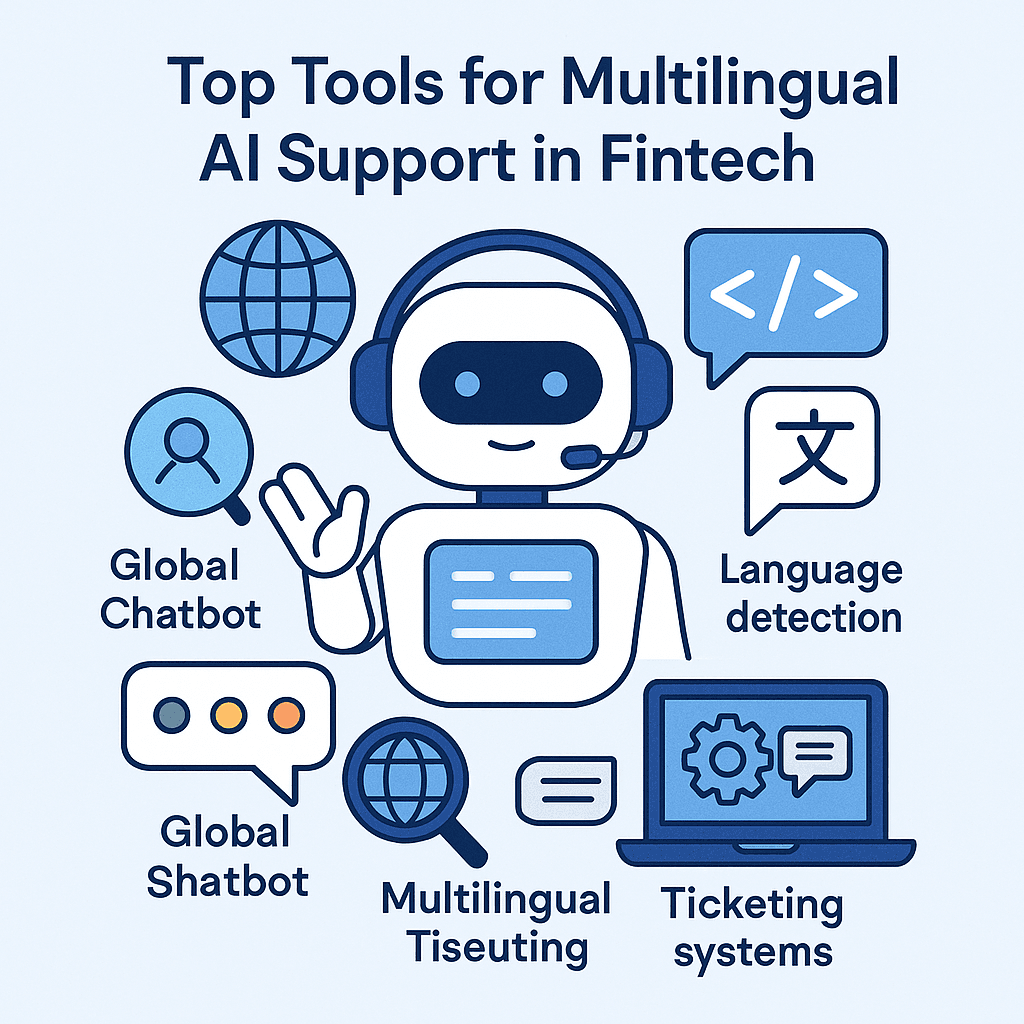
Top fintech multilingual AI tools include global chatbots, real-time translation APIs, and voice recognition — improving satisfaction by 60%.

Multilingual AI support drives global growth by reducing language barriers and operational costs by 50% while improving satisfaction.

Implement multilingual AI through language detection, AI translation integration, and continuous optimization — reducing support costs by 40%.

Evaluate AI support tools by defining business goals, assessing chatbots and agent assist features, and measuring efficiency ROI metrics.

NLP processes human language while NLU interprets intent and context — together improving AI support interactions by 70%.

AI optimizes support tickets through intelligent routing, auto-prioritization, and smart tagging — improving efficiency by 40-60%.

AI enhances fintech post-onboarding through personalized interactions, proactive support, and behavioral analysis — reducing churn by 20-30%.

Predictive AI improves fintech retention through churn prediction, personalized interventions, and proactive support — reducing churn by 25-40%.

AI predictive analytics in fintech forecasts market trends, detects customer churn, and optimizes engagement through real-time behavioral modeling.

Pylon excels in enterprise ITSM automation and AI chatbots, while HelpScout offers user-friendly support for SMBs at lower costs.

Pylon specializes in ITSM automation while HubSpot offers CRM-integrated support with Einstein AI — choose based on use case complexity.

Pylon offers quick ITSM setup with minimal configuration, while Salesforce provides enterprise-grade Einstein AI with deep CRM integration.

AI sentiment tracking in fintech uses natural language processing to analyze customer emotions in real-time, improving service recovery by 45%.

AI customer support reduces acquisition costs by 40-60% through automated Tier 1 resolution and improved customer retention rates.

Retailers adopt AI support for 24/7 availability, 50% cost reduction, and ability to handle peak traffic without additional staffing.

Self-service support empowers users through instant access to solutions, reducing resolution time by 75% and increasing satisfaction by 40%.

AI in fintech customer care delivers 300-500% ROI within 18 months through reduced operational costs and improved customer retention.

Choose Salesforce Service Cloud for enterprise needs and advanced AI, or HubSpot for SMBs seeking cost-effective, easy-to-use solutions.

Self-service integration with customer success tools creates 24/7 support, reduces costs by 45%, and improves customer health scores.

Self-service reduces churn by 30-40% in 2025 through instant problem resolution, proactive support, and improved customer satisfaction.

Small language models power AI assistants through agile design enabling real-time processing, personalization, and efficient self-service capabilities.

Small language models excel at routine queries with speed, while large models handle complex issues requiring deep reasoning and context understanding.

Smart teams trust AI escalation because it automates ticket prioritization, improves response times, and reduces manual routing errors by up to 60%.

AI smart ticket routing in fintech uses automated assignment algorithms to reduce wait times and improve service consistency for financial inquiries.

Customer education boosts retention by teaching agentic thinking, empowering informed decisions that increase satisfaction and long-term loyalty.

Technical Account Managers need customer success software to deliver personalized, scalable service while maximizing ROI and fostering long-term relationships.

AI for technical support requires specialized knowledge handling and complex problem-solving, unlike generic customer service's routine query focus.

Testimonials become actionable by analyzing feedback patterns to identify self-service gaps and improve customer experience touchpoints.

Optimizing time to value reduces churn by 25-40% through faster onboarding, predictive analytics, and proactive engagement that transforms customers into advocates.

Leading fintech AI chatbots like Drift and Kasisto reduce support costs by 40-60% while accelerating onboarding and improving compliance through specialized financial features.

Top AI customer analytics tools provide real-time insights, predictive analysis, and personalized engagement strategies that improve customer satisfaction by 30-50%.

Zendesk, Freshdesk, and Zoho Desk lead AI ticket automation, reducing response times by 70% and improving resolution accuracy through intelligent routing and classification.

Leading AI workflow tools like Zendesk, Salesforce Service Cloud, and Freshdesk's Freddy AI automate task sequencing and boost support team productivity by 40-60%.

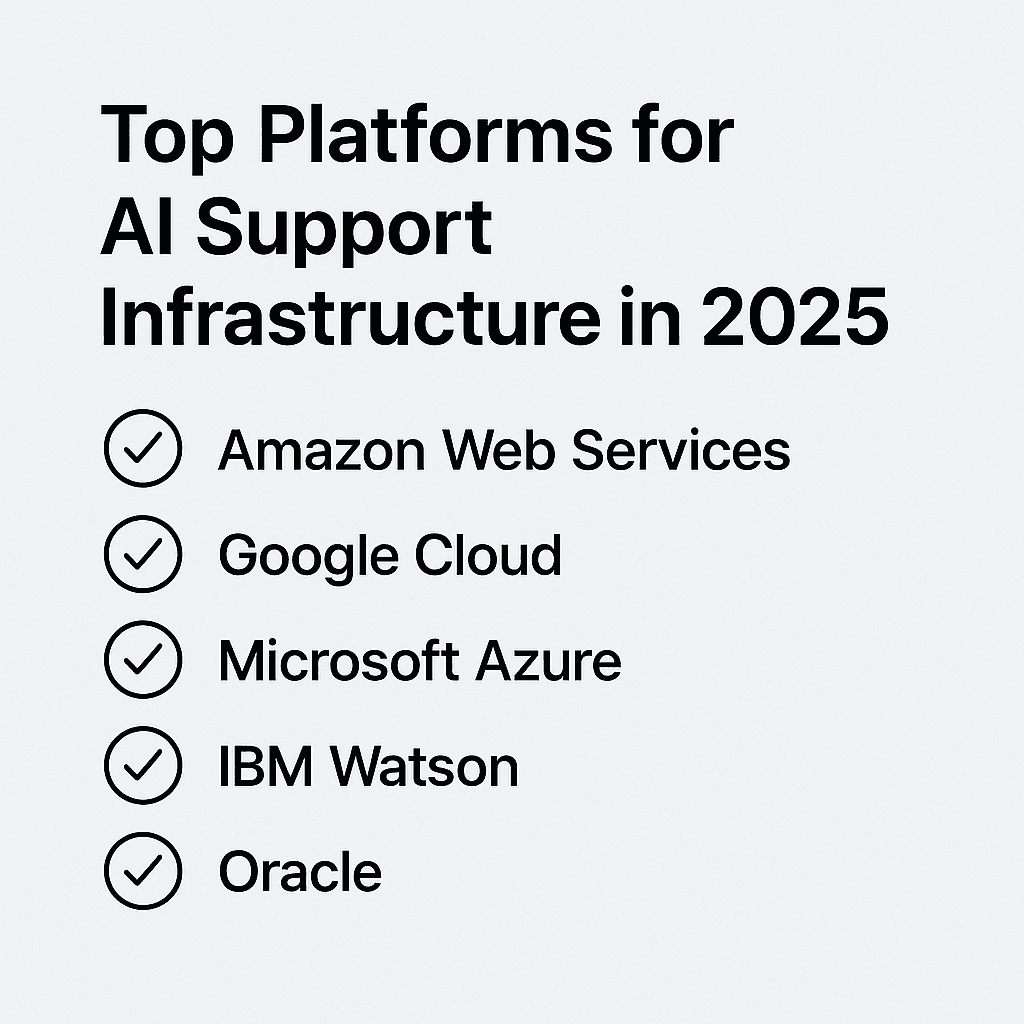
AWS, Google Cloud, Microsoft Azure, IBM Watson, and Oracle lead 2025 AI support infrastructure with scalable, integrated solutions for enterprise customer service.

Essential 2025 e-commerce AI tools include product assistant bots, AI checkout solutions, and predictive analytics that personalize shopping experiences and reduce cart abandonment by 35%.

Top customer retention AI tools use churn prediction, loyalty scoring, and proactive support to improve retention rates by 20-35% through personalized engagement strategies.

Top 2025 platforms prioritize AI integration, self-service capabilities, and virtual assistants — driving 40% efficiency gains in fintech.

Key metrics include accuracy rates (95%+ target), processing speed, customer satisfaction scores, and cost reduction — typically 30-50% savings.

Zendesk and Freshdesk lead with auto-escalation logic and sentiment analysis — reducing escalation response times by 60% in fintech.

Nuance, Kasisto, and Google Dialogflow lead voice AI in fintech — enabling 24/7 automated banking with 90% accuracy rates.

Financial AI models require diverse conversation data, NLP for context understanding, and emotional intelligence — achieving 85% automation rates.

AI automates workflows, personalizes service, and reduces resolution times by 70% — shifting fintech support from reactive to proactive.

AI-powered triage automates ticket categorization and routing using ML and sentiment analysis — reducing response times by 65%.

Customer success software transforms insights into action through automated workflows, predictive analytics, and feedback loops — improving retention by 25%.

AI in customer support creates risks including security breaches, compliance failures, and customer dissatisfaction — with 35% higher escalation rates.

Voice AI improves fintech journeys through 24/7 availability, biometric authentication, and personalized interactions — reducing call times by 40%.

Voice AI transforms fintech interactions through natural language processing, instant transactions, and cost reduction — cutting support costs by 50%.
.png&w=1200&q=75)
Customer support leaders like Ethan Walfish share insights on AI adoption, team scaling, and future industry challenges through expert interviews.
.png&w=1200&q=75)
Customer support executives like Alex Litoff discuss team building, technology adoption, and industry challenges in expert interview series.

AI personal assistants capture customer feedback through automated collection, sentiment analysis, and real-time insights — improving satisfaction by 40%.

A chatbot is an AI-powered virtual assistant using NLP and machine learning to provide 24/7 automated customer support responses.

DeepSeek R1 is an advanced generative AI model with enhanced NLP capabilities and reasoning, transforming AI customer support chatbots.
.png&w=1200&q=75)
Klarna's first AI support attempt failed due to poor implementation, but they corrected course to automate 66% of customer inquiries successfully.

Avoid technical jargon, unclear instructions, and outdated content. Use scannable formatting, SEO optimization, and regular updates instead.
.png&w=1200&q=75)

Zendesk Advanced AI setup involves configuring auto-replies, suggested intents, and generative AI capabilities through step-by-step activation.

Zendesk excels in advanced ticketing while HubSpot offers integrated CRM. Compare AI capabilities, omnichannel features, and ROI for 2025.

Zendesk offers mature ITSM features while Pylon focuses on AI-first automation. Compare NLP, ticket triaging, and cost savings for your needs.
![Zendesk vs. Salesforce Service Cloud: AI, Automation & Support Features Compared [2025]](/_next/image?url=%2Fimages%2Fcdn%2F67bc6a7293157f369da185b9_test.webp&w=1200&q=75)

Choose Zendesk for rapid deployment and ease of use, or Salesforce Service Cloud for enterprise-grade customization and deep CRM integration.

Zoho Desk enhances agent productivity with AI-powered assistance, while Ada automates self-service interactions to reduce agent workload entirely.

Forethought delivers superior long-term ROI through AI-first automation, while Zoho Desk offers cost-effective omnichannel support with basic AI.

Gorgias specializes in eCommerce customer engagement, while Zoho Desk excels in AI-driven enterprise support with deep automation capabilities.

Zoho Desk offers comprehensive AI automation and omnichannel support, while Help Scout focuses on personalized customer interactions with simpler AI.

HubSpot Service Hub delivers superior ROI through integrated CRM and marketing alignment, while Zoho Desk offers cost-effective AI automation.

Zoho Desk excels in structured ticketing and workflow automation, while Kommunicate leads with AI-driven live chat and conversational intelligence.

Kustomer delivers higher ROI through unified customer timeline and CRM integration, while Zoho Desk offers cost-effective AI automation and omnichannel support.

Zoho Desk offers established omnichannel support with Zia AI, while Layerise focuses on agentic automation — enterprises see 25-40% efficiency gains.

Zoho Desk offers full-service AI ticketing with Zia, while Levity AI provides no-code automation — different approaches to AI-powered support.

Salesforce Service Cloud offers deeper CRM integration and enterprise features, while Zoho Desk provides cost-effective AI automation for mid-market.

Zendesk leads in market maturity and third-party integrations, while Zoho Desk offers superior cost-efficiency and integrated AI through Zia.
Download the free AI Agents Playbook — how top CX teams deploy autonomous agents to resolve 70% of tickets.
Download Free Playbook →